

Sizing & Selection
Buyers Guide: Selecting Compressors for Cold Climates
To choose cold climate compressors, verify the machine's minimum ambient rating, inspect frost protection features, and plan for cold-start controls. This guide outlines
Practical air compressor selection and maintenance guidance
Buying industrial air compressors requires balancing capacity, pressure, duty cycle and total operating cost. This site provides the technical data needed to evaluate equipment for specific production lines, plant air systems or mobile applications. It covers the trade-offs between rotor, piston and membrane technologies without favoring any manufacturer.
The content addresses the practical decisions made during procurement and operation. It explains how to read technical data sheets, match compressor output to air treatment requirements and plan maintenance schedules. The goal is to reduce uncertainty when selecting equipment, verifying supplier claims and managing long-term performance.
Start with the stage of the sourcing process you are in.
Practical guides about screw compressors for industrial air compressors buyers and engineers.
Practical guides about piston & oil-free compressors for industrial air compressors buyers and engineers.
Practical guides about sizing & selection for industrial air compressors buyers and engineers.
Practical guides about air treatment for industrial air compressors buyers and engineers.
Practical guides about energy efficiency for industrial air compressors buyers and engineers.
Practical guides about maintenance for industrial air compressors buyers and engineers.
Practical guides about choosing a supplier for industrial air compressors buyers and engineers.
To choose cold climate compressors, verify the machine's minimum ambient rating, inspect frost protection features, and plan for cold-start controls. This guide outlines

Facilities in high humidity zones need industrial air compressors paired with dryers sized for excess moisture load. This guide covers evaluating desiccant capacity

Importing desiccant dryer regenerators requires clear assessment of freight, compliance, and supplier reliability. This guide outlines cost drivers, RFQ structure, and
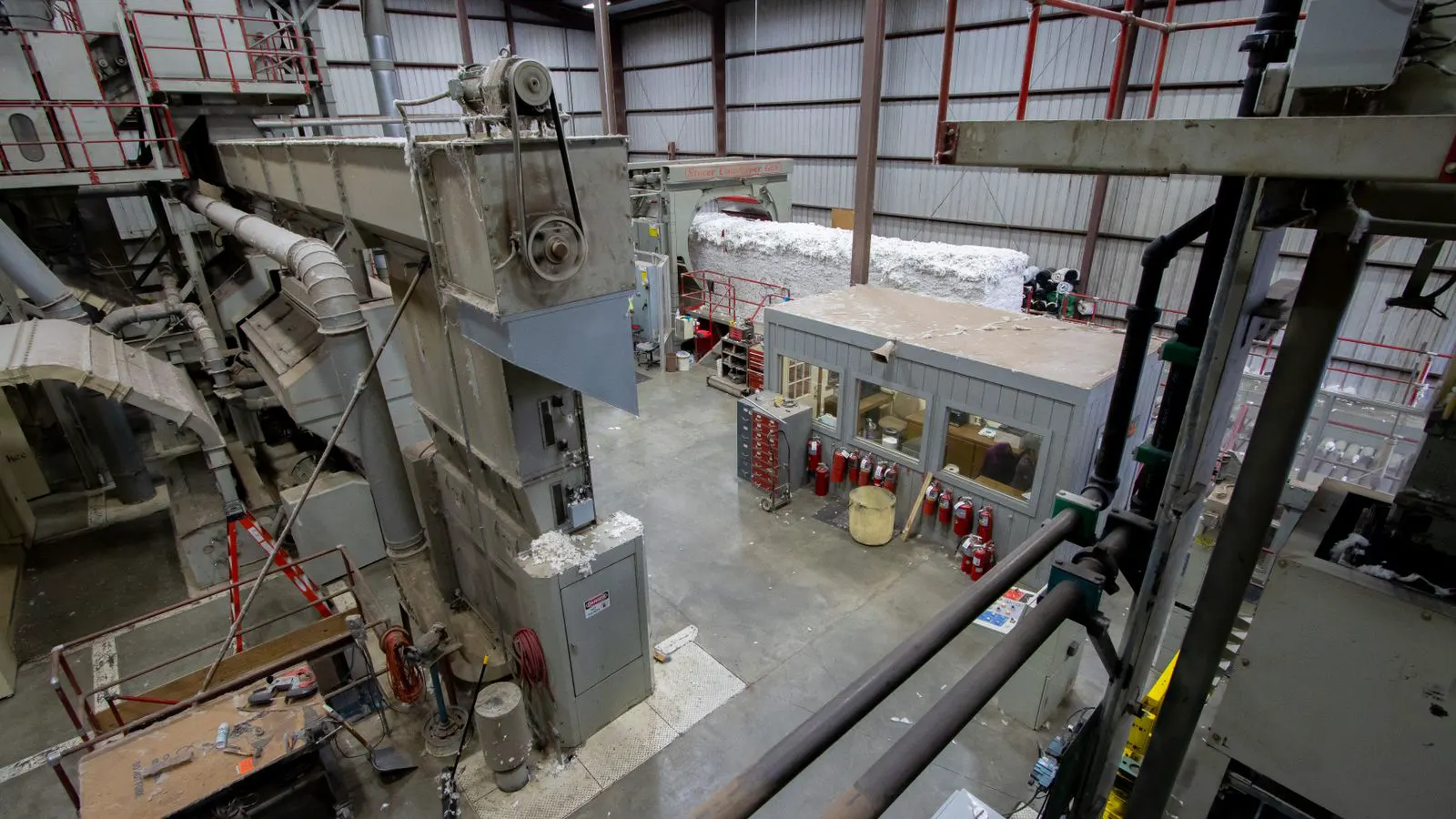
Twin-screw compressor pricing depends on capacity, pressure, duty cycle, and integration. Delivery time extends with custom controls and long-lead items. A precise

Choosing the correct inlet filters for oil-free compressors requires matching filtration grades to your intake environment. Proper pre-filtration extends valve life

Local assembly allows suppliers to finish, test, and configure compressors near the buyer. This shortens lead times, simplifies supply chain management, and supports

A structured audit checklist helps buyers compare supplier support using service metrics like response time, first-time fix rates, and performance data. It covers

Regulatory compliance now shapes supplier selection as much as price and capacity. Buyers must account for evolving certification requirements, import standards, and
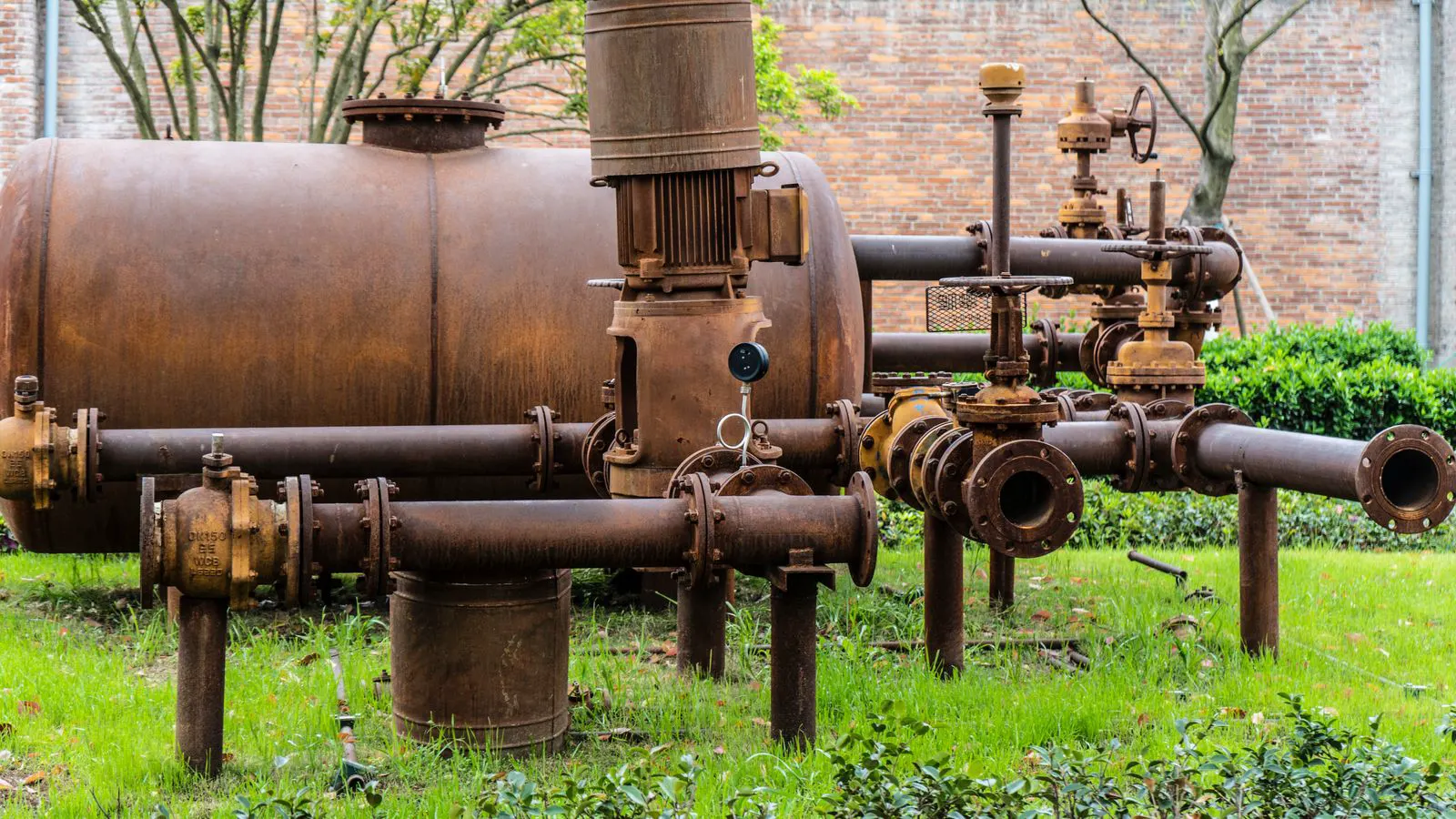
Excessive motor current in fixed-speed compressors usually indicates mechanical overload, poor inlet filtration, or excessive discharge pressure. This guide lists

This audit checklist helps engineers verify inlet filter maintenance for compressed air systems. It covers filter condition, pressure drop, airflow, and records. It
Calculate the total air demand in free air delivery, account for pressure loss in piping and include a margin for future growth. Match the calculated demand to the compressor's duty cycle rating rather than just the nameplate capacity.
Oil-injected screw compressors use lubricant to reduce friction and heat, requiring coalescing filters to remove oil mist. Oil-free systems use dry screw, membrane or piston designs that eliminate lubrication, reducing filtration needs but often requiring higher maintenance intervals.
Piston compressors are often preferred for small capacity, intermittent duty or applications where oil-free operation is required without the cost of a dry screw unit. They are also easier to service in the field due to fewer internal parts.
Check free air delivery at actual discharge pressure, duty cycle, motor efficiency, start-up current and noise levels. Verify that the data matches your operating conditions and ask for warranty terms that cover both parts and labor.
Inadequate cooling, oil contamination, overloading beyond duty cycle and delayed maintenance of air dryers are leading causes. Regular inspection of filters, belts and seals prevents most major failures.
Requirements for oil-free air, low dew point or particle removal add downstream equipment costs. Selecting a compressor that produces cleaner air at the source can reduce the need for extensive treatment systems.