Comparison: Coalescing Filters for High-Dust Inlets
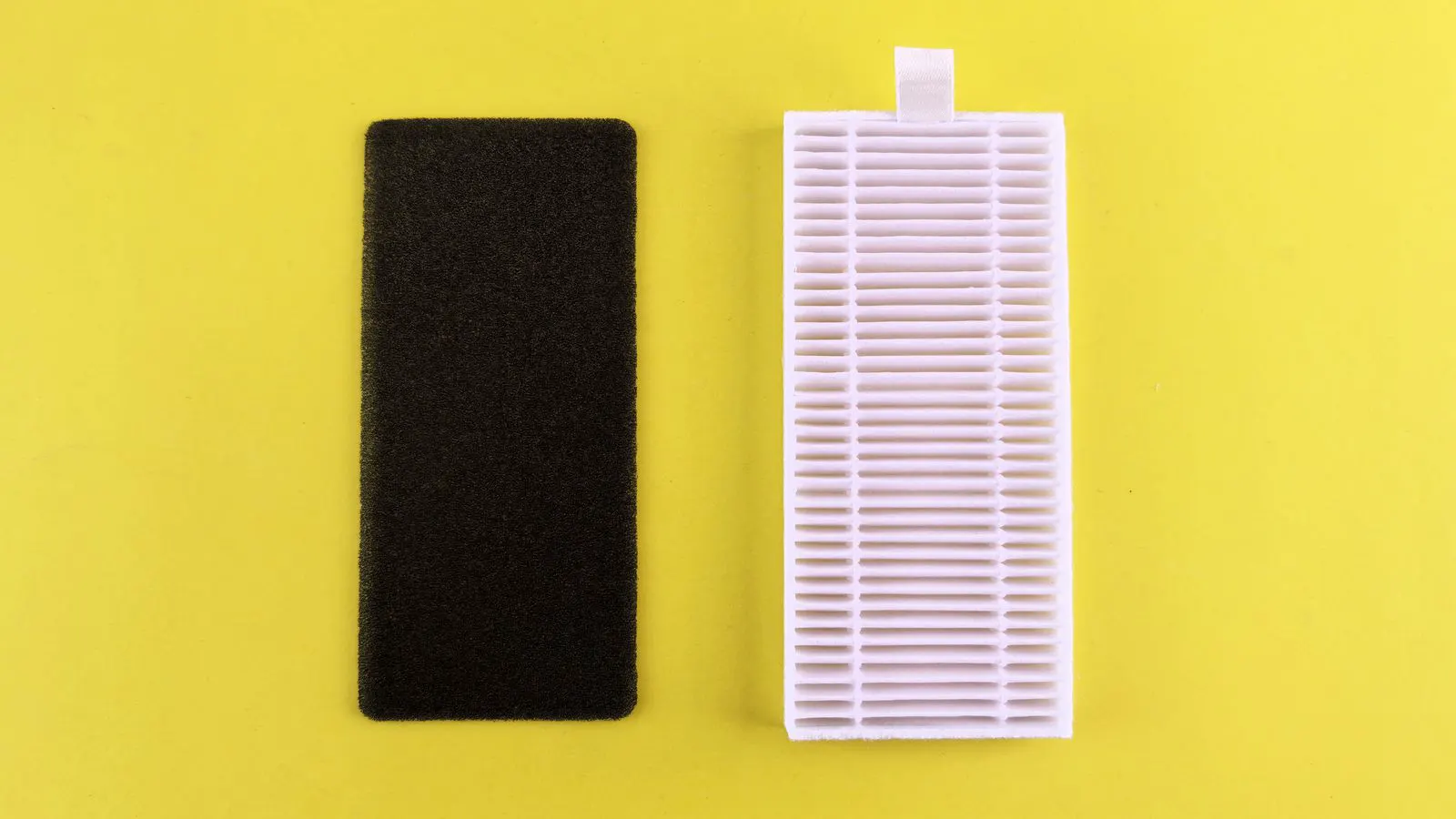
High dust loads clog standard coalescing filters quickly. This comparison examines pre-separators, high-density cartridge filters, and washable filters. It explains media types, pressure drop, maintenance intervals, and the right fit for industrial air compressor inlet filtration.
- Pre-separators remove the bulk of dust before it reaches fine coalescing media.
- High-density coalescing filters handle finer particles but need more frequent changes in dusty environments.
- Washable filters can reduce long-term costs but require careful drying and reassembly.
- Pressure drop and maintenance interval should drive the selection, not just initial cost.
- Combine coalescing filters with inlet guards, hoods, and regular inspection to protect compressor components.
Dust does not stop at the compressor inlet. It keeps going. If the air stream carries sand, cement, wood shavings, or metal fines, the coalescing filters installed to protect the compressor will clog, fail, or force the machine to work harder.
The right inlet filtration setup depends on the dust type, the volume of air moving, and how often you can stop production for maintenance. The options below are not interchangeable. Each has a role.
What makes a coalescing filter suitable for high dust inlets
Standard coalescing filters are built to remove oil mist and fine water droplets. They are not built to catch coarse dust. When a compressor inlet sits in a workshop with grinding, cutting, or milling nearby, the dust load changes the problem.
The filter must do three things. It must stop larger particles before they reach the compressor. It must hold fine particles long enough for the air to pass through. It must allow the system to be maintained without tearing down the whole air treatment line.
The coalescing filters used in this context are usually split into two groups. The first group catches large particles. The second group removes fine particles and liquid droplets. The coalescing filters in the second group are often called coalescing filters because their media traps liquid as droplets merge together. In high dust applications, that fine capture is only useful after the bulk dust is removed.
Comparison of the main options
| Option | Best for | Limitations |
|---|---|---|
| Pre-separator or coarse filter | Heavy dust, grinding, woodworking, metal fines | Does not remove fine mist or oil. Needs frequent emptying. |
| High-density coalescing filter cartridge | Fine dust, wet dust, mixed particulate and liquid | Media clogs faster. Higher initial cost. Harder to inspect. |
| Washable coalescing filter | Long runs, moderate dust, budget focus | Requires careful washing and drying. Risk of media damage if mishandled. |
| Multi-stage inlet filter housing | Mixed dust sources, variable load, maintenance access | Larger footprint. More parts to manage. |
| Inlet hood or duct with filter | Open shop, high dust generation, external dust | Depends on duct design. Can become a clogging point if not sized right. |
The table above shows the main trade-offs. The pre-separator is the first line of defense. The coalescing filters come after it. If you skip the pre-separator, the coalescing filters will take the dust load and fail faster.
Pre-separators and coarse inlet filters
A pre-separator is usually a simple housing with a coarse media or a cyclone element. It catches the big particles. Sand, sawdust, shavings, and larger chips stop here. This protects the finer coalescing filters downstream.
The advantage is simple. The fine filter sees a cleaner air stream. That means the coalescing filters last longer. It also means the compressor inlet is less likely to be damaged by sharp or heavy particles.
The limitation is maintenance. A pre-separator fills up. In a high dust environment, that can be daily. It needs to be emptied, cleaned, or replaced. If the operator forgets, the filter becomes a restriction and the pressure drop rises. The compressor may run hotter, and the air flow drops.
A cyclone pre-separator is useful when the dust is heavy and the air stream is strong. It uses centrifugal force to throw particles into a collection cup. It is easy to clean. It does not need a replaceable media. But it is less effective on fine dust. A bag or pleated pre-separator catches finer particles but needs the media changed.
The best setup often uses a coarse filter first, then a finer coalescing filter. The coarse filter handles the bulk. The coalescing filter handles the rest.
High-density coalescing filters
High-density coalescing filters use a finer media. The fibers are closer together. The media traps smaller particles and liquid droplets. This is useful when the dust is fine, wet, or mixed with oil mist.
The trade-off is pressure drop. A fine media restricts airflow more than a coarse media. The compressor has to work harder to push air through. If the pressure drop gets too high, the system may not deliver enough free air at the outlet. The compressor may cycle more, and the motor may run hotter.
These filters are also more expensive. The media is engineered to hold fine particles. The housing must be sized to handle the pressure. They are often sealed and not easily opened. To inspect the media, you replace the cartridge.
In a high dust environment, high-density coalescing filters work best after a pre-separator. If they are the first filter, they clog fast. The cost per change may be high, and the downtime for replacement may be significant.
A practical check is to measure the pressure drop across the filter. If the pressure drop is rising and the dust load is high, the media is loading. Do not wait for the filter to fail. Change it before the compressor is affected.
Washable coalescing filters
Washable coalescing filters use a media that can be cleaned. After the dust and oil accumulate, the element is removed, washed, dried, and reinstalled. This can reduce the long-term cost of filters.
The advantage is that the media is not thrown away. In a stable dust environment with moderate load, a washable filter can run for months between cleanings. It is also easier to inspect. You can see the buildup. You can check for damage.
The limitation is the cleaning process. The media must be dry before it goes back. If it is wet, the coalescing action is reduced. The filter may pass liquid droplets that it should have caught. That can damage the compressor or the downstream treatment.
Washable filters are also more fragile. The media can tear if handled roughly. The housing must be resealed properly. A small leak can let unfiltered air into the system. In a high dust environment, the cleaning job is more time consuming. The dust may be sticky, oily, or abrasive.
These filters work best when the dust load is not extreme and the team has the time to clean and dry the media. They are not a set-and-forget option. They need a schedule and a check.
Multi-stage inlet filter housings
A multi-stage housing puts two or more filters in one unit. The first stage is coarse. The second stage is fine. Sometimes a third stage catches oil mist. This setup gives a clear separation of duties.
The advantage is that each stage does one job well. The coarse stage takes the bulk. The fine stage takes the rest. The housing can be sized for the air volume. It can be placed where maintenance access is easy.
The limitation is size and cost. The unit is larger. It takes up space. It has more parts. If one stage clogs, the whole system may need attention. The pressure drop is the sum of the stages. If the housing is too small, the pressure drop can be high.
These housings are useful when the dust source is mixed. For example, a shop with both grinding and milling. The dust type changes. The load changes. A single filter may not keep up. A multi-stage setup gives more flexibility.
The key is to match the housing to the air flow. If the air velocity is too high, the media loads unevenly. Particles bypass the filter. The compressor gets dirty air. The inlet filter is not just a filter. It is part of the air treatment system.
When to pick each option
Pick a pre-separator when the dust is coarse and visible. Sand, chips, shavings, and heavy fines. The pre-separator protects the compressor and the finer filters. It is the first thing to install in a high dust inlet.
Pick a high-density coalescing filter when the dust is fine, wet, or mixed with oil mist. It handles particles that a pre-separator cannot catch. It is the right choice when the air must be clean before compression.
Pick a washable coalescing filter when the dust load is moderate and the team can maintain the media. It lowers long-term cost. It gives more visibility into the filter condition. It needs a cleaning schedule.
Pick a multi-stage housing when the dust source is mixed or the load is variable. It gives separation of duties. It is easier to maintain because each stage has a clear role.
Pick an inlet hood or duct with a filter when the dust is generated externally and needs to be captured before it enters the compressor. The hood must be sized for the air flow. It must be sealed. It must be cleanable.
Maintenance and inspection
Maintenance is where the real difference shows. A filter that is inspected and cleaned on schedule performs better than a filter that is ignored.
Check the pressure drop. If it is rising, the media is loading. Do not wait for the compressor to struggle. Check the inlet. Is the dust load changing? Is a new process starting? Is the dust type different?
Check the housing seals. A leak can let unfiltered air into the system. In a high dust environment, a small leak can be a big problem. The dust can get past the filter and into the compressor.
Check the drain. If the filter collects liquid, the drain must work. A clogged drain can cause water to pool. That can damage the media and the compressor.
Keep a log. Record the date of the last cleaning, the pressure drop, and the dust load. The log helps you see trends. It tells you when the filter is loading. It tells you when the system is changing.
A common mistake is to ignore the inlet. The compressor inlet is the point where dust enters the system. If the inlet is dirty, the filter will clog. If the inlet is sealed and clean, the filter will last longer.
In high dust applications, the coalescing filters are not just a filter. They are a maintenance point. The air treatment system depends on the filter being clean. The compressor depends on the air being clean. The maintenance schedule depends on the dust load.
The right choice is the one that matches the dust, the air flow, and the maintenance capacity. The table above gives the trade-offs. The sections above explain the details. The next step is to check the inlet, measure the pressure drop, and choose the filter that fits the job.
Frequently asked questions
Can a single coalescing filter handle heavy dust and oil mist?
Usually no. A single fine coalescing filter will clog fast in heavy dust. Use a pre-separator first, then a coalescing filter for the fine particles and mist.
How often should I change coalescing filters in a dusty shop?
It depends on the dust type, the air volume, and the filter design. In high dust environments, check pressure drop often. Change the filter when the pressure drop rises or the media is loaded.
Are washable coalescing filters cheaper in the long run?
They can be, if the dust load is moderate and the team can clean and dry the media properly. In heavy dust, the cleaning time and media wear may make disposable filters more practical.
Do I need a multi-stage filter if I have a pre-separator?
Not always, but it can help. A multi-stage housing gives a clear separation between coarse and fine filtration. It is useful when the dust type changes or when the air must be very clean.
Can a clogged inlet filter damage the compressor?
Yes. A clogged filter raises the pressure drop. The compressor works harder, runs hotter, and may not deliver enough free air. It can also let dust bypass the filter if the seal fails.