Checklist: Key Questions for Evaluating Industrial Compressor Suppliers
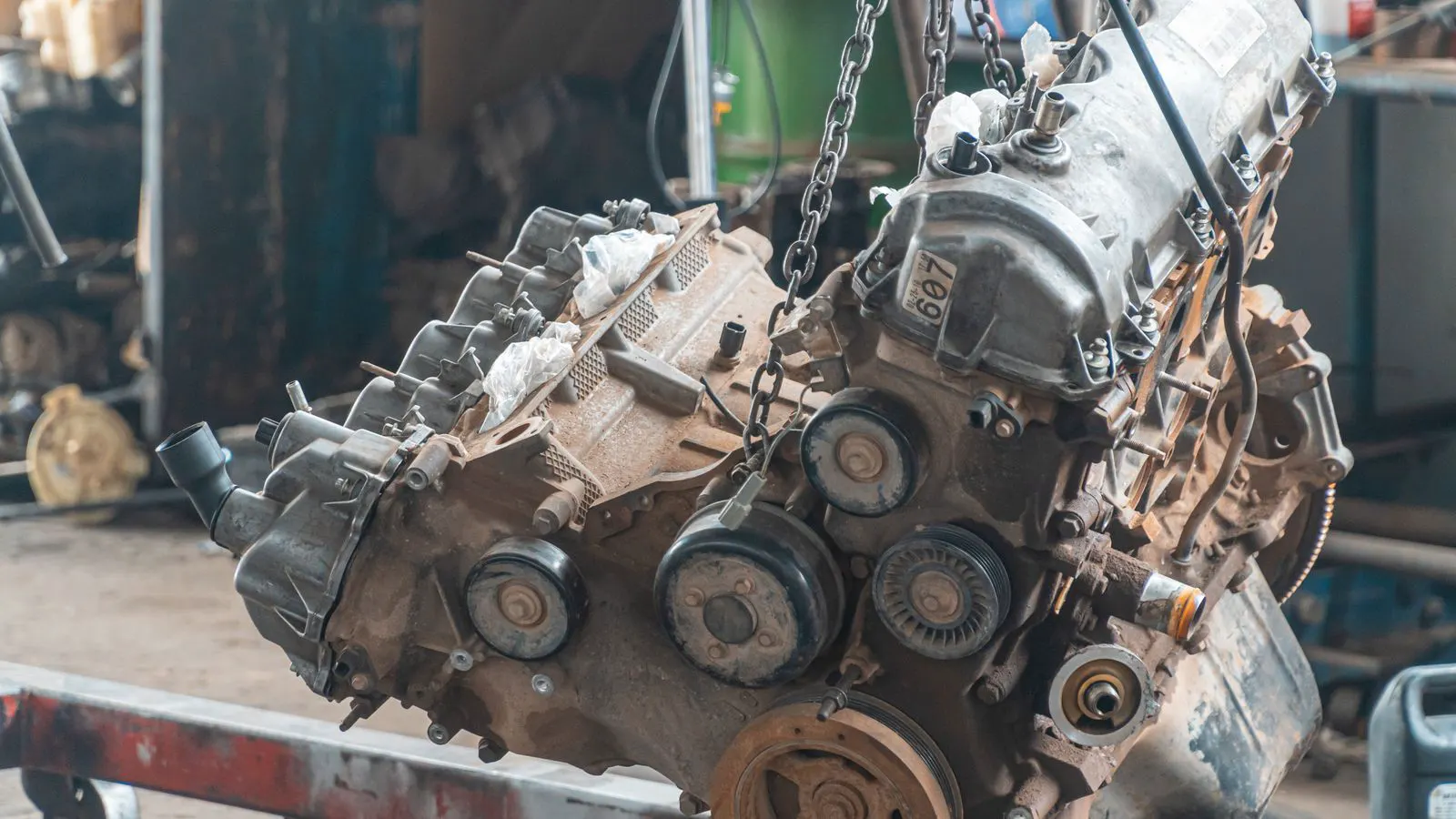
A structured checklist of supplier evaluation questions helps buyers verify technical capabilities, verify financial stability, and confirm after-sales support. It covers technical, commercial, and logistical criteria to reduce procurement risk.
- Verify that supplier service response times are contractually binding, not just promotional promises.
- Check the supplier's local parts inventory to confirm rapid repair capability for critical production lines.
- Confirm warranty terms cover specific components and labor, not just the initial compressor unit.
- Request reference data from similar facilities to validate real-world performance claims.
Technical Capability and Compliance
Start with the hardware. A supplier must prove they can source or manufacture units that match your exact process requirements. Do not rely on a single brochure. Ask for the technical data sheet for the specific model you are considering, including motor efficiency ratings, duty cycles, and maximum pressure ratings.
- Can you provide the full technical data sheet for the proposed unit, including motor efficiency ratings and duty cycle specifications?
- Does the unit meet the specific air purity standards required for your production process?
- Can you provide documentation proving the unit complies with local energy and safety regulations?
- What is the expected noise level at the point of use, and what acoustic enclosures are available?
Red flags to watch for:
- Vague answers about duty cycles. A supplier who says “high duty cycle” without specifying the percentage or load profile is hiding a weakness.
- Lack of compliance documentation. If they cannot produce certificates for local regulations or air purity standards, they may face issues at your site.
- Generic data sheets. If the data sheet lists multiple models without clear distinctions, the supplier may be pushing a standard unit that does not fit your load profile.
Commercial Terms and Pricing Structure
Pricing is rarely a single number. You need to understand the total cost of ownership, including installation, energy, and maintenance. Ask for a detailed breakdown of the quote. A supplier who offers a flat price without itemizing components may be adding fees later.
- Can you provide an itemized cost breakdown for the compressor, installation, and any required accessories?
- What are the terms for future service contracts, and are there annual minimums?
- How is pricing structured for spare parts, and are there volume discounts for multi-year purchases?
- What is the payment schedule, and are there penalties for late payment or early delivery?
Red flags to watch for:
- Excessive upfront payment requirements. A supplier demanding 50% or more upfront without a clear delivery milestone is taking on too much risk.
- Opaque service contracts. If the annual service contract price is significantly higher than the unit price, or if the terms are not clear, you may be locked into unfavorable rates.
- Hidden installation costs. If the quote does not include site preparation, electrical work, or piping, ask specifically. These costs can be substantial.
After-Sales Service and Support
Compressors are critical assets. When they fail, production stops. Your supplier’s service capability is the most important differentiator after the unit itself. You need to verify their response times and parts availability. Do not ask “do you offer service?” Ask “what is your guaranteed response time for a critical failure?”
- What is your guaranteed response time for critical failures on-site?
- Do you maintain a local inventory of critical spare parts, such as unloader valves and motor windings?
- Can you provide a list of qualified technicians who will perform the service work?
- What is the process for extending a warranty, and what documentation is required?
Red flags to watch for:
- Vague response times. “We try to respond within 24 hours” is not a guarantee. You need a contractual SLA.
- No local parts inventory. If the supplier relies on global shipping for critical parts, a repair could take weeks.
- Unqualified technicians. If the technician is not certified for the specific brand or type of compressor, the repair may be incorrect.
Financial Stability and Reputation
A supplier that goes out of business leaves you stranded. You need to assess their financial health and market reputation. Ask for proof of their stability and their track record with similar customers.
- Can you provide financial statements or a letter of credit from a bank?
- How many years have you been in the industrial compressor business?
- Can you provide references from three similar facilities that you have supplied?
- What is your current order backlog, and how does it affect delivery times?
Red flags to watch for:
- Reluctance to provide financial information. A stable supplier will share a credit report or bank reference.
- No local presence. If the supplier has no office, warehouse, or service team in your region, they are a high-risk supplier.
- Negative references. If the references mention delays, poor service, or hidden costs, walk away.
Logistics and Delivery
Delivery time is a critical factor. A compressor that arrives late can delay your entire production ramp-up. You need to verify their logistics capabilities and their contingency plans.
- What is the current lead time for the proposed unit, from order to delivery?
- What are your shipping and logistics capabilities, including freight insurance and handling?
- What is your contingency plan if a delay occurs in the supply chain?
- Can you provide a detailed delivery schedule with milestones?
Red flags to watch for:
- Unrealistic lead times. If the supplier promises a 4-week lead time when the standard is 12 weeks, they are either lying or have a major problem.
- No contingency plan. If they cannot explain how they handle supply chain disruptions, they are not prepared for your needs.
- Lack of tracking. If they cannot provide real-time tracking of the shipment, you are in the dark.
Contractual Protections and Risk Management
The final step is to ensure your contract protects your interests. You need to define the scope of work, the acceptance criteria, and the remedies for non-performance.
- Can you provide a standard service level agreement (SLA) for review?
- What are the acceptance criteria for the delivered unit, and how will they be tested?
- What are the remedies for non-performance, including late delivery or defective units?
- What are the termination clauses, and what notice period is required?
Red flags to watch for:
- No SLA. If the supplier refuses to provide an SLA, they are not confident in their service.
- Vague acceptance criteria. If the supplier does not define how the unit will be tested, you may not have a clear basis for rejection.
- One-sided termination clauses. If the contract allows the supplier to terminate with 30 days notice but requires 90 days from you, you are at a disadvantage.
Supplier Evaluation Questions Checklist
Use this checklist to structure your evaluation. It is a copyable list that covers all critical areas.
| Category | Key Question | Red Flag |
|---|---|---|
| Technical | Can you provide the full technical data sheet for the proposed unit? | Vague answers about duty cycles or load profiles. |
| Commercial | Can you provide an itemized cost breakdown for the compressor, installation, and accessories? | Hidden installation costs or opaque service contracts. |
| Service | What is your guaranteed response time for critical failures on-site? | No contractual SLA or no local parts inventory. |
| Financial | Can you provide financial statements or a letter of credit from a bank? | Reluctance to provide financial information. |
| Logistics | What is the current lead time for the proposed unit, from order to delivery? | Unrealistic lead times or no contingency plan. |
| Contractual | What are the acceptance criteria for the delivered unit? | Vague acceptance criteria or one-sided termination clauses. |
This checklist ensures you are asking the right questions. It also helps you compare suppliers on a consistent basis. Use it to create a scorecard. Assign a weight to each category based on your specific needs. Then score each supplier. The supplier with the highest score is the one you should consider.
Final Considerations
The final step is to make a decision. You have the data. You have the references. You have the contract. Make the decision based on the total value, not just the price. A slightly more expensive supplier with better service and longer warranty terms may be the better choice.
- Which supplier offers the best total value, considering price, service, and warranty?
- Which supplier has the strongest financial stability and reputation?
- Which supplier has the best logistics and delivery capabilities?
- Which supplier has the most favorable contractual terms?
Choose the supplier that best fits your needs. Do not let the lowest price drive the decision. The cost of a failure is far higher than the cost of a good supplier.
Frequently asked questions
What is the most important question to ask a compressor supplier?
Ask for the guaranteed response time for critical failures on-site. This determines the impact of a breakdown on your production.
How should I verify a supplier's service claims?
Request a list of qualified technicians and a local parts inventory. Call a reference customer to confirm the service experience.
What should I do if a supplier refuses to provide financial information?
Treat it as a red flag. A stable supplier will share a credit report or bank reference. If they refuse, find another supplier.
How do I compare suppliers on a consistent basis?
Use a scorecard. Assign a weight to each category based on your specific needs. Then score each supplier.
What is the best way to negotiate pricing?
Negotiate on the total cost of ownership, not just the unit price. Include service contracts, spare parts, and installation in the negotiation.