Cost and Lead Time: Importing Air Compressors from Overseas
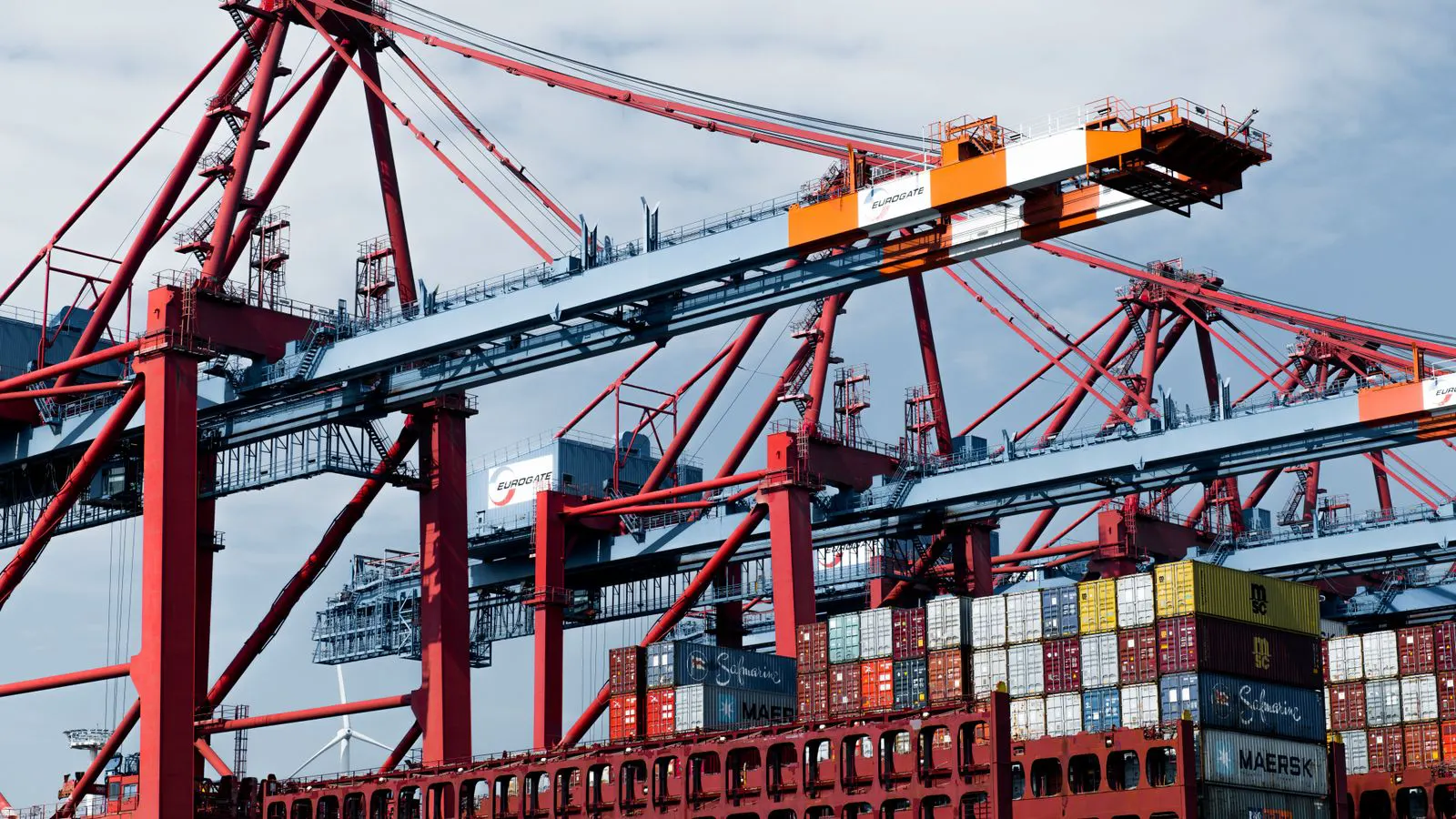
Importing compressors requires balancing upfront savings against variable supply chain costs and extended lead times. This guide explains how to structure a clear RFQ, identify hidden fees, and compare quotes from overseas suppliers to make a financially sound purchasing decision.
- Total landed cost often exceeds the unit price due to freight, duties, and insurance.
- Lead times for imported compressors are significantly longer than domestic options.
- A detailed RFQ with specific technical specs prevents costly miscommunication.
- Compare quotes on a total cost of ownership basis, not just sticker price.
- Build buffer time into your project schedule for customs and shipping delays.
Why Importing Compressors Is a Complex Decision
Buying an air compressor from an overseas manufacturer can offer access to specialized technology and lower initial capital costs. However, the purchase is rarely a simple transaction. It transforms a standard equipment acquisition into a complex logistics project involving international freight, customs clearance, and extended delivery windows.
For industrial buyers, the primary goal of importing is usually to optimize the total cost of ownership. By understanding the financial and logistical impact, you can determine whether the savings justify the added risk and complexity.
This guide breaks down what drives price and delivery time. It also provides a framework for writing a clear RFQ and comparing quotes fairly.
What Drives the Cost of Importing Compressors
The sticker price quoted by an overseas vendor is only the beginning of your financial commitment. The true cost is the landed cost, which includes the unit price plus all fees required to get the equipment into your facility.
Several factors heavily influence the final expenditure. The most significant is international freight. The distance between the supplier and your destination, as well as the mode of transport, determines the shipping rate.
Customs duties and import taxes are another major expense. These rates depend on the product classification and the specific trade agreements between the exporting and importing countries.
Insurance is a non-negotiable part of the calculation. High-value industrial equipment requires comprehensive coverage against loss or damage during transit.
Finally, you must account for handling and storage. Once the compressor arrives, there may be costs for unloading, temporary storage, or specialized rigging if the unit is particularly heavy.
How Lead Times Impact Your Project Schedule
Lead times for imported compressors are typically much longer than domestic delivery times. A standard domestic order might arrive in two to four weeks. An imported unit can take three to six months, or even longer.
The timeline is divided into several distinct phases. The first is the manufacturing phase, which is the longest variable. If you are ordering a custom configuration, this phase can stretch for several months.
The second phase is the logistics phase. This includes container loading, ocean or air freight, and the handling at ports of entry. This stage is highly susceptible to delays due to weather, port congestion, or regulatory holds.
The final phase is the local delivery phase. This covers the last mile to your site and the installation process.
When planning a project, you must add a buffer to the quoted lead time. A delay in one phase can cascade, pushing your entire production timeline back.
How to Write a Clear RFQ for Overseas Suppliers
A Request for Quote (RFQ) is the foundation of a successful import transaction. Poorly written requests often lead to ambiguous quotes or, worse, the supplier delivering a machine that does not meet your operational requirements.
To ensure accuracy, your RFQ must be highly specific. Include the exact model numbers you are considering, or clearly define the technical specifications if you are open to alternatives.
List all necessary technical parameters, such as power output, air pressure, and flow rate. Also, specify the required voltage and frequency for your local grid.
Do not forget the physical requirements. State the dimensions of the unit, the weight, and any specific mounting requirements.
Finally, clearly state your delivery terms. Whether you want the price delivered to your port (FOB) or to your door (DDP), this must be explicit.
How to Compare Quotes Fairly
Receiving multiple quotes from different suppliers is standard practice. However, comparing them requires a structured approach to avoid being misled by a low unit price.
You must normalize the quotes to a common basis. If one quote is FOB and another is DDP, you cannot compare them directly. You must calculate the estimated landed cost for each.
Consider the after-sales support included in the quote. Does the supplier offer extended warranty coverage? What is the lead time for spare parts if the unit breaks down?
Evaluate the payment terms. Some suppliers may require a large upfront deposit, while others offer more flexible net terms. A lower price with a 50% upfront deposit may be riskier than a slightly higher price with net 30 terms.
Look for hidden costs. Are there surcharges for special packaging or expedited shipping? Are there fees for documentation or customs brokerage?
Key Cost Drivers and Lead Time Variables
The following table summarizes the primary factors that affect the financial and logistical aspects of importing compressors.
| Cost Driver | Description | Impact on Budget |
|---|---|---|
| Unit Price | The base cost of the machine from the manufacturer. | Directly impacts initial capital expenditure. |
| Freight | Cost of ocean, air, or rail transport to your destination. | Can vary significantly based on distance and volume. |
| Duties | Government taxes imposed on imported goods. | Varies by product classification and trade agreements. |
| Insurance | Protection against loss or damage during transit. | Typically a small percentage of the shipment value. |
| Handling | Unloading, rigging, and temporary storage costs. | Can be high for heavy or oversized equipment. |
| Lead Time | The total duration from order to delivery. | Affects project scheduling and capital planning. |
Managing Supply Chain Risks
Importing involves navigating a global supply chain that is subject to various risks. Geopolitical tensions, natural disasters, or regulatory changes can disrupt the flow of goods.
To mitigate these risks, you should diversify your supplier base where possible. Relying on a single source increases your vulnerability to disruptions.
Maintain open communication with your supplier. Regular updates on manufacturing status and shipping milestones help you anticipate issues before they become critical.
Consider purchasing spare parts locally or in bulk when you first import the machine. This reduces the risk of long downtime if a component fails.
By approaching the import process with a clear understanding of the financial and logistical variables, you can make a more informed decision.
Final Thoughts on Importing Compressors
Importing compressors is a strategic decision that requires careful planning and detailed analysis. The potential for cost savings is real, but it is only realized if you manage the total cost of ownership effectively.
Focus on the total landed cost, not just the unit price. Build realistic lead times into your project schedule. And ensure your RFQ is detailed enough to prevent misunderstandings.
With the right approach, you can successfully source high-quality air compressors from overseas while maintaining control over your budget and timeline.
Frequently asked questions
What is the difference between FOB and DDP pricing?
FOB (Free On Board) means the price covers the cost to the export port. DDP (Delivered Duty Paid) covers the full cost to your destination, including duties and local delivery.
How long do customs clearance processes usually take?
Customs clearance typically takes a few days to a week, but it can take longer if documentation is incomplete or if the shipment is selected for inspection.
Can I get a discount for buying in bulk?
Yes, many overseas manufacturers offer volume discounts. However, you must weigh the savings against the increased costs of shipping and storing the equipment.
What is the best way to handle customs duties?
The best way to handle customs duties is to use a licensed customs broker. They can ensure proper documentation and help you understand the exact tax rates applicable to your specific equipment.
Do I need to pay for the compressor before it ships?
Payment terms vary by supplier. Many require a deposit to start manufacturing and the balance before shipment. Always negotiate terms that align with your cash flow and risk tolerance.