Cost and Lead Time: Sourcing Local vs Imported Compressed Air Systems
Sourcing decisions hinge on balancing upfront capital against ongoing supply chain costs. Importing often lowers equipment prices but raises logistics and compliance expenses. Delivery timelines depend on port congestion, customs, and supplier production slots. A clear RFQ helps compare quotes fairly by isolating these variables.
- Total cost of ownership includes freight, tariffs, insurance, and local installation.
- Import lead times are longer and more volatile than regional sourcing due to customs and shipping.
- A detailed RFQ isolates unit price from service, warranty, and logistics terms.
- Compare quotes by mapping them to the same technical and commercial specifications.
What Drives the Price of a Compressor System
The sticker price of a machine is rarely the final number on the invoice. When evaluating imported compressor systems, buyers must separate the equipment cost from the logistics and compliance costs that attach to it. A unit shipped from a major manufacturing hub may carry a lower base price than a locally assembled equivalent. However, that advantage can disappear once freight, insurance, and customs duties are applied.
The equipment itself costs what it costs based on capacity, efficiency, and duty cycle. A 150 cubic feet per minute rotary screw unit will cost more than a 75 cubic feet per minute unit. The difference between a local supplier and an imported one often sits in the margins. Local suppliers may carry higher overheads for regional warehousing and sales teams. Imported suppliers may offer lower manufacturing margins to compete on price.
There are hidden costs in the middle. If the compressor requires a specific voltage or a different control panel configuration for the local grid, the supplier must rework the unit. That rework is usually billed as an engineering change order. It adds time and money. Buyers often underestimate this because the initial quote assumes a standard configuration.
How Delivery Timelines Are Built
Delivery timelines are not just shipping durations. They are a chain of dependencies. The first link is the production slot. The supplier must schedule the build. The second link is the pre-shipment inspection. The third link is the export paperwork. The fourth link is the ocean or air freight. The fifth link is the customs clearance. The sixth link is the final delivery to the plant.
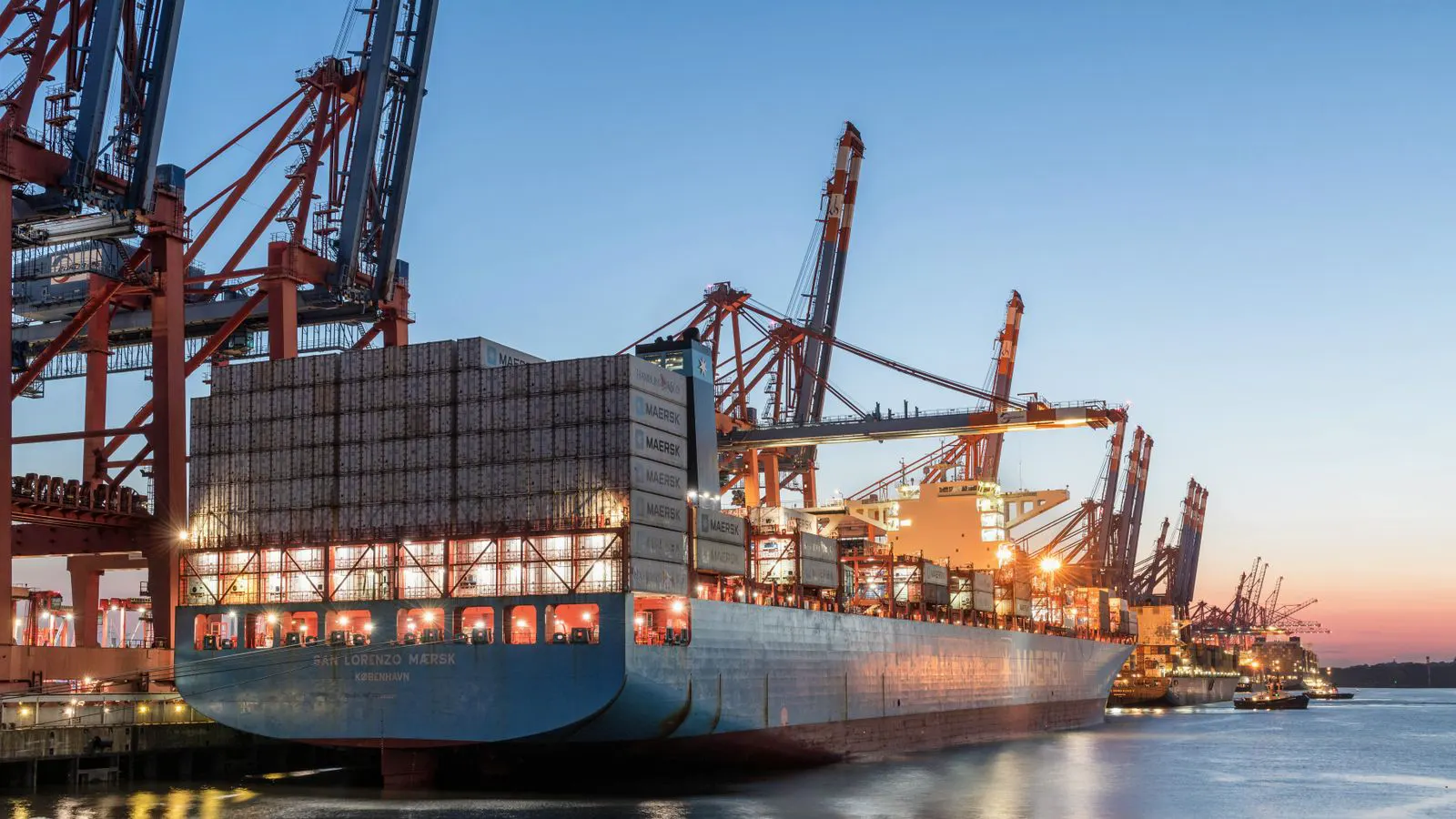
For imported compressor systems, the ocean freight leg is the longest and most variable. A container shipment across an ocean can take three to six weeks, depending on the route and the vessel schedule. Air freight is faster, taking one to two weeks, but the cost per pound is significantly higher. For a heavy rotating machine, air freight is usually impractical unless the downtime cost is extreme.
Customs clearance is the most common point of failure. If the commercial invoice, packing list, or certificate of origin has a single typo, the container can sit at the port. That delay is not paid for by the freight forwarder. It is paid for by the buyer in lost production. Local suppliers do not face this risk. They drive a truck to the site.
Supply Chain Costs vs. Local Procurement
Supply chain costs are the total of every expense between the factory floor and the plant floor. For imported compressor systems, this includes the export handling, the marine insurance, the ocean freight, the import handling, the customs brokerage, and the inland trucking. These costs are variable. Fuel surcharges, port labor agreements, and currency exchange rates all shift the total.
Local procurement moves the supply chain costs into a different bucket. You pay for regional distribution, local labor, and domestic logistics. These costs are usually lower but more stable. The local supplier controls the warehouse and the delivery schedule. If the truck breaks down, the supplier manages the replacement. With an imported system, the buyer manages the replacement container or the air freight expedite.
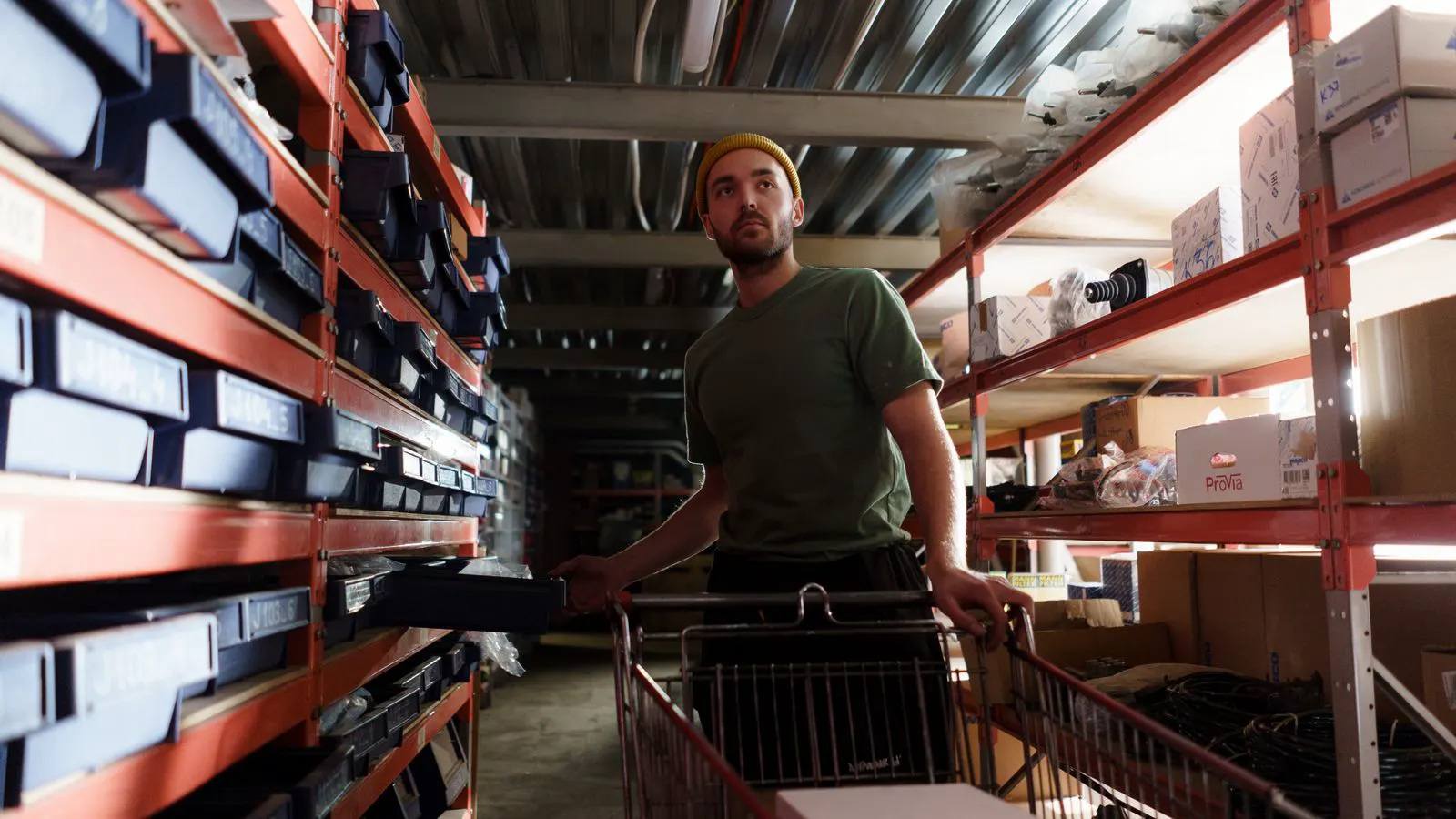
There is a maintenance angle too. Local suppliers often keep parts in regional stock. Imported suppliers may require parts to be shipped from the home country. That means a broken seal or a motor winding can take weeks to arrive. The cost of that downtime is a supply chain cost that is easy to miss in the initial quote.
How to Write a Clear RFQ for Sourcing
A Request for Quote that only asks for a price is a trap. It invites suppliers to quote the cheapest unit possible and hide the rest of the costs in fine print. A clear RFQ for imported compressor systems must list the technical specifications and the commercial terms separately.
The technical section should specify the free air delivery, the duty cycle, the power connection, the control interface, and the noise requirements. It should also list the required accessories, such as the dryer, the receiver tank, and the unloader. The commercial section should require itemized costs.
Ask for the unit price. Ask for the freight to a specific address. Ask for the customs duties and taxes. Ask for the installation labor. Ask for the commissioning time. By breaking the quote into these pieces, you can see exactly where the cost is coming from. You can also see what is missing. If a quote does not include commissioning, ask why.
Comparing Quotes on the Same Footing
Two quotes can look very different and still be comparable. The key is to normalize them. Take the lowest bid and the highest bid. Add the same freight, insurance, and installation costs to both. Remove any optional add-ons that one supplier included and the other did not.
You are looking for the total cost to operate the system for the first year. This includes the purchase price, the logistics, the installation, and the expected maintenance. A supplier with a lower unit price but a longer lead time may be more expensive if you need to rent a temporary compressor. A supplier with a higher unit price but a local warehouse may be cheaper because you can start production next week.
Create a simple spreadsheet. List each supplier in a row. List each cost element in a column. Fill in the numbers. Highlight the total cost column. Highlight the estimated start date column. The decision becomes visible when the numbers are side by side.
Risk Assessment for Long Lead Times
The risk of importing is not just cost. It is time. If your production line is running and a compressor fails, you need a replacement. If the replacement is imported, you are waiting for a container. If you buy local, you are waiting for a truck.
This risk is higher during peak shipping seasons. Ports get congested. Vessels get delayed. Customs processing slows down. Buyers should build a buffer into their delivery date. Do not plan the installation for the date the supplier promises. Plan it for three weeks after that date.
There is also a regulatory risk. Local building codes and electrical standards change. An imported system designed for a different region may not meet current local codes. The supplier must certify the unit for your market. If they cannot, the unit cannot be installed. This is a hard stop, not a delay.
Cost and Lead Time Decision Framework
Use a simple framework to make the choice. First, define your urgency. If you need the system on the floor in 30 days, local sourcing is the only viable option. Imported compressor systems rarely arrive that fast. If you have 90 days or more, you can consider import.
Second, define your budget. If the budget is tight, the lower unit price of an imported system may save money. But if the downtime cost is high, the lower budget of a local system is worth more. Calculate the cost per hour of downtime. If that number is high, pay the premium for speed.
Third, define your support needs. If you want a single point of contact for parts and service, local sourcing is easier. If you want to work directly with the manufacturer’s global support network, import may be better.
| Cost Driver | Local Sourcing | Imported Sourcing |
|---|---|---|
| Unit Price | Higher | Lower |
| Freight & Insurance | Low | High |
| Customs & Duties | None | Variable |
| Installation Lead Time | Days | Weeks to Months |
| Parts Availability | High | Lower |
| Currency Risk | Low | High |
| Regulatory Compliance | Standard | Verification Needed |
Final Checks Before You Sign
Before you sign a purchase order, verify the payment terms. Net 30, Net 60, or deposit plus balance? A large deposit on an imported shipment is a risk to you. You are paying for something that is still in transit or in production. Negotiate payment terms that align with delivery milestones.
Verify the warranty terms. Who covers the freight if the unit arrives damaged? Who pays for the return shipment? The warranty is only as good as the logistics behind it. If the supplier is overseas and the warranty requires a return to the home factory, the repair time is long.
Verify the documentation. You need the manual, the schematics, and the compliance certificates. If the supplier cannot provide these in your language, you have a problem. You need to be able to service the unit yourself or through a local contractor.
How to Mitigate Delivery Risks
If you choose to import, you can reduce the risk. Order the parts separately. Buy the dryer and the tank locally. Only import the main compressor unit. This keeps your installation flexible. If the main unit is delayed, you can still test the accessories.
Use a trusted freight forwarder. Do not rely on the supplier’s preferred forwarder. Hire your own. You need independent oversight of the shipment. The forwarder should provide tracking and status updates. You should not be guessing.
Build relationships with the port customs broker. A broker who knows your paperwork and your import history can clear goods faster. They can spot issues before the container arrives. This is a small cost that saves large delays.
When to Choose Local vs. Imported
Choose local when speed is the priority. Choose local when you need on-site support. Choose local when the equipment is mission critical and downtime is not an option. The premium for local sourcing is a cost of reliability.
Choose imported when the budget is the priority. Choose imported when you have time to wait. Choose imported when the specific technology is not available locally. The lower unit price is a reward for patience and logistical effort.
There is no single right answer. The right answer is the one that fits your project timeline and your support model. Use the data. Compare the quotes. Make the decision based on facts, not assumptions.
Frequently asked questions
Can I buy an imported compressor system and have it installed locally?
Yes, many buyers import the main unit and install it through a local contractor. This requires the supplier to provide the technical documentation and spare parts.
How long does customs clearance usually take?
Clearance times vary by port and by the completeness of the paperwork. A clean shipment can clear in one to three days. A shipment with missing documents can sit for weeks.
What is the most common mistake in comparing quotes?
Comparing the unit price without adding the logistics and installation costs. This hides the true cost of the imported compressor systems.
Should I pay a deposit for an imported order?
A deposit is standard. Negotiate the amount based on the lead time. A longer lead time usually requires a higher deposit. Align the payment milestones with the delivery schedule.
How do I verify the warranty terms for an imported unit?
Get the warranty in writing. Check who covers the return freight. Check if the warranty is valid in your country. Check if the manufacturer has a local representative for claims.