Explainer: How Vibration Data Reveals Bearing Wear
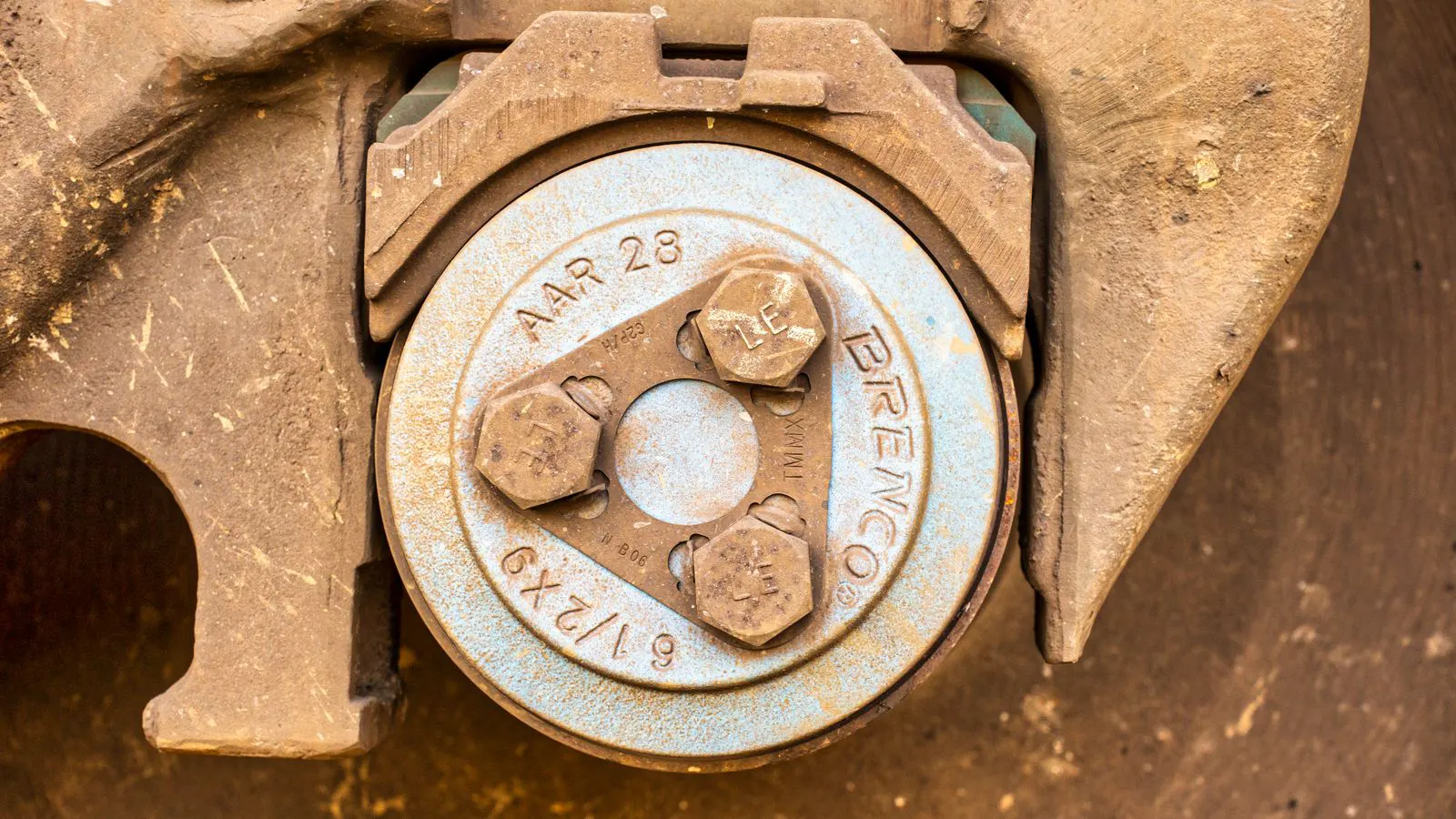
Vibration analysis measures mechanical movement to detect bearing wear before failure. This article explains the key signals, their impact on supplier evaluation, and provides a plain-language worked example for industrial buyers.
- Vibration analysis uses specific frequency signatures to isolate bearing wear from other mechanical issues.
- Consistent vibration patterns across multiple sensors help confirm the source of the problem.
- Buyers should require suppliers to provide baseline vibration data and maintenance history for used or refurbished units.
- Early detection of bearing wear reduces unplanned downtime and extends compressor service life.
- Understanding vibration limits helps differentiate between normal operation and emerging mechanical failure.
What Vibration Analysis Actually Measures
Vibration analysis is the process of measuring mechanical movement in rotating equipment, such as compressors. Technicians use sensors called accelerometers or velocity probes to capture the movement of bearings, shafts, and housings. The data is converted into frequency readings that show how fast different parts are moving.
In a healthy compressor, the vibration profile remains stable. The bearings rotate at a consistent speed, and the fluid dynamics inside the machine create a predictable background noise. When bearings begin to wear, the metal surfaces lose their smooth contact. Small defects appear on the rolling elements. These defects create impacts as they pass the sensor, generating distinct frequency patterns in the vibration data.
This method is not a guesswork process. It relies on the physics of rotating machinery. Each component in a compressor has a characteristic frequency signature. The main shaft has one signature. The bearings have another. The motor has a third. When these signatures change, maintenance teams can identify which part is failing before a complete breakdown occurs.
How Bearing Wear Shows Up in the Data
Bearing wear does not produce a single, uniform vibration level. It creates specific patterns that technicians learn to recognize. The most common indicators are high-frequency impacts and changes in the overall vibration envelope.
When a bearing race or ball begins to spall, the impact occurs at a specific rate determined by the bearing geometry and the shaft speed. As the shaft spins faster, the frequency of these impacts increases proportionally. Technicians compare the measured frequency to the theoretical bearing defect frequency. A match suggests the wear is in the bearing, not in the shaft or the motor.
There are also broad-band changes. As wear progresses, the surface roughness increases. This creates a higher overall vibration level, often described as a rise in the RMS value. The peak-to-peak reading may also increase. These broad changes are easier to see on a general vibration monitor, but they do not pinpoint the exact component. They only confirm that something is wrong.
A Worked Example in Plain Words
Imagine a rotary screw compressor running at a constant speed. The maintenance team takes a vibration reading on the drive end bearing. The baseline value for this compressor is low and stable. Over the next month, the reading starts to climb. The overall vibration level rises, but the increase is not dramatic enough to trigger an alarm on a basic monitor.
The technician uses a more detailed analysis. They look at the frequency spectrum. They identify a repeating pattern at a specific frequency. This frequency matches the theoretical defect frequency for the drive end bearing at the current shaft speed. The pattern has been growing in amplitude for several weeks. The technician concludes that the bearing is beginning to spall. The wear is localized. It is not a shaft alignment issue or a motor problem.
The action taken is to schedule a bearing replacement during the next planned maintenance window. The compressor is not shut down immediately. The team monitors the vibration closely. They check the oil condition for metal particles. They verify that the cooling system is operating correctly to prevent thermal stress. The work is planned rather than reactive. The compressor continues to operate within a safe envelope until the parts arrive.
How This Affects Supplier Sourcing Decisions
When evaluating a supplier, vibration data becomes a tool for due diligence. It helps separate honest sellers from those who may be selling worn equipment as new. It also helps buyers understand the actual condition of the asset they are purchasing.
For new equipment, suppliers should be able to provide baseline vibration data from the factory. This data shows how the compressor performs before it leaves the plant. When the unit arrives at your site, you can compare the field data to the factory baseline. If the vibration profile has changed significantly, there may be a transport issue, a poor installation, or a defect that was not detected during final testing.
For used or refurbished units, the requirement is higher. You need to see the maintenance history. You need to know if any bearings have been replaced. More importantly, you need the latest vibration readings. A supplier who cannot provide this data is hiding something. It may be a recent bearing failure that was patched rather than repaired. It may be a machine that is nearing the end of its service life.
What to Ask Suppliers About Vibration Data
When you are in the conversation with a supplier, ask for specific documents. Request a vibration report from the last service. Ask for the baseline data from the factory or the last major overhaul. Ask what the current vibration levels are. Ask if there are any known defects or abnormal frequencies.
Do not accept a simple statement that the machine is healthy. Ask for the raw data. A good supplier will be willing to share this information. It is part of the equipment history. A supplier who is vague or dismissive is a red flag. They may not know the condition of the machine. Or they may not want you to find out.
You can also ask about the monitoring system. Does the supplier use continuous vibration monitoring? Do they have a remote access portal for the data? If the supplier offers a monitoring service, ask how often the data is reviewed. Ask who interprets the results. Ask what the trigger points for intervention are.
Interpreting the Limitations
Vibration analysis is a powerful tool, but it has limits. It is sensitive to the condition of the sensor. If the sensor is loose, dirty, or damaged, the data will be inaccurate. The mounting surface matters. A vibration sensor on a rough cast iron housing will give different results than one on a smooth machined surface.
The environment also plays a role. High ambient noise can interfere with the signal. Electrical interference from nearby motors or inverters can create false peaks in the data. Technicians must control these variables. They must use proper coupling and shielding. They must take readings in a controlled environment.
Finally, vibration data does not tell the whole story. It indicates mechanical movement, but it does not explain the cause of that movement. A high vibration level could be caused by bearing wear, shaft misalignment, loose fasteners, or a cracked casing. The vibration analysis narrows the field, but it requires other checks to confirm the diagnosis. Oil analysis, thermal imaging, and visual inspection are all part of the picture.
Practical Checks for Buyers
Before signing a purchase agreement, verify the vibration data. Ask for a report that covers at least the last three months of operation. Look for trends, not just single readings. A single high reading could be a transient event. A rising trend over weeks is a clear signal of degradation.
Check the bearing replacement history. If the bearings were replaced recently, the vibration data should show a reset. If the data shows a gradual increase since the last service, the bearings are wearing. If the data shows a sudden spike followed by a drop, there may have been a minor failure that was not fully resolved.
Compare the data to the manufacturer specifications. Most compressors have recommended vibration limits. These limits are based on the expected service life of the bearings. If the current readings are approaching these limits, the machine is entering a critical phase. You need to plan for maintenance. You need to budget for parts. You need to consider the downtime required for the repair.
By using vibration analysis in your supplier evaluation, you move from a subjective assessment to an objective one. You are not guessing whether the machine is good. You are looking at the data. You are seeing the mechanical truth of the equipment. This gives you the use to negotiate, to request repairs, or to walk away from a bad deal.
Frequently asked questions
How often should vibration data be collected?
Best practice is to collect data during every scheduled maintenance visit. For critical compressors, continuous monitoring is recommended to catch sudden changes in bearing condition.
Can a single high vibration reading indicate bearing wear?
A single high reading may be caused by a transient event, such as a loose fastener or an impact. Technicians usually look for a repeating pattern or a trend over time to confirm bearing wear.
What is the difference between RMS and peak-to-peak vibration?
RMS measures the overall energy of the vibration. Peak-to-peak measures the maximum distance between the highest and lowest points of the wave. Bearing wear often shows up as an increase in peak-to-peak values before the RMS rises significantly.
Do I need a specialist to interpret the vibration data?
Yes. While basic readings are easy to obtain, interpreting the frequency spectra and identifying specific bearing defects requires specialized training and experience.
Can vibration analysis detect early bearing wear?
Yes. Vibration analysis is one of the earliest methods for detecting bearing wear. It can identify small defects before they cause a complete bearing failure or shaft damage.