Outlook: The Rise of Digital Monitoring in Air Compression
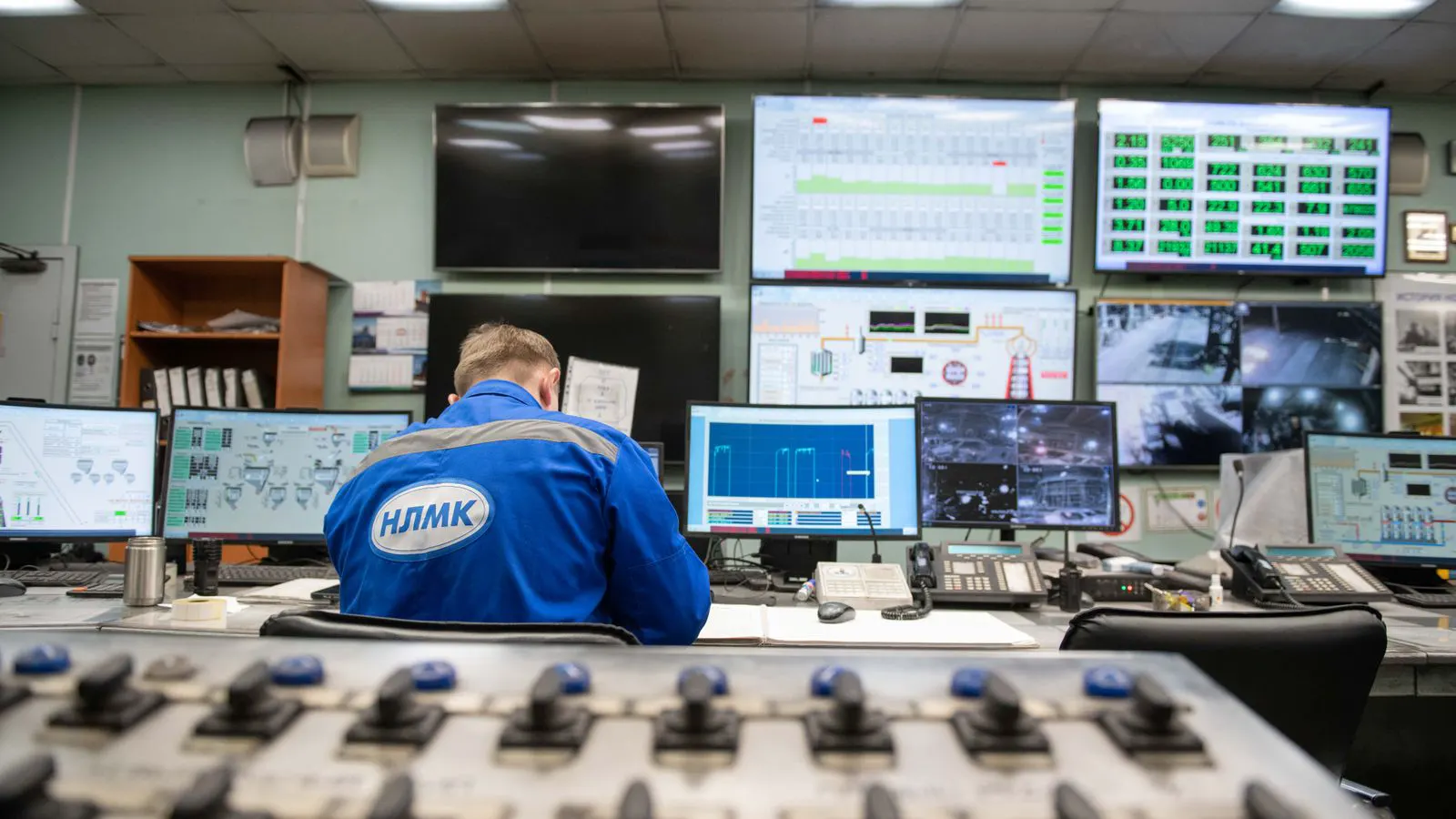
Digital monitoring adds real-time visibility to industrial air compression. It shifts management from periodic checks to continuous data collection. Buyers should plan for infrastructure updates, cybersecurity controls, and updated supplier requirements to support predictive maintenance.
- Digital monitoring changes how operators verify compressor performance and schedule maintenance.
- Buyers must verify data ownership, cybersecurity standards, and integration capabilities before purchase.
- The shift requires updating plant infrastructure, including network access and power stability.
- Suppliers offering remote support and firmware updates are becoming standard expectations.
- Data quality depends on sensor placement, calibration, and protocol compatibility.
Why Connected Data Is Changing Compressor Management
Air compression systems have traditionally relied on manual checks, fixed schedules, and operator intuition. A technician listens for unusual noise, checks pressure gauges, and reviews filter condition. This approach still works for many plants. However, it leaves gaps between checks. A small seal leak or a developing bearing issue may not surface until it causes a shutdown.
Digital monitoring closes those gaps. Sensors attached to motors, valves, and piping transmit pressure, temperature, vibration, and energy usage to a central dashboard. Operators see what the system is doing now, not just what it did yesterday. This shift changes the relationship between the plant and the compressor. The machine becomes a data source, not just a mechanical unit.
Shift One: From Scheduled Maintenance to Condition-Based Decisions
Maintenance planning is the first area where digital monitoring creates friction. Traditional schedules assume every compressor runs the same way. A unit installed ten years ago may have different wear patterns than a new unit. A compressor in a dusty environment wears faster than one in a clean room.
Connected data allows maintenance teams to react to actual conditions. Vibration levels can indicate bearing wear before failure. Temperature trends can reveal cooling system issues. Energy usage spikes can point to inefficient loading. When a metric crosses a threshold, the system flags an anomaly. The maintenance team investigates the specific component rather than replacing parts on a fixed calendar.
This approach requires discipline. Teams must define what constitutes an anomaly. A generic alert for “high vibration” is less useful than a threshold based on the specific motor speed and load profile of that unit. Buyers should ask suppliers how they help define these baselines. The software should support custom alerts, not just default settings.
Shift Two: Infrastructure and Network Requirements
Adding digital monitoring changes the physical environment around the compressor. Sensors need power. Data needs a path to a server or cloud platform. This means checking electrical capacity, network bandwidth, and physical access points.
Many older plants have limited network coverage in the compressor room. Adding a sensor hub may require running new Ethernet cabling or installing a wireless access point. Wi-Fi is convenient, but it can be unstable in industrial spaces with metal shielding and heavy machinery. Industrial-grade Wi-Fi or hardwired connections are often more reliable for critical data streams.
Power stability is another factor. Compressors are inductive loads. They cause voltage fluctuations when they start and stop. These transients can affect sensitive electronics. Surge protection and clean power distribution are necessary. If the plant network is shared with office systems, the compressor data should be segmented. This prevents a cybersecurity incident in one area from disrupting production control.
Buyers should map these requirements early. A quote for a compressor unit may not include the cost of network upgrades. The total cost of ownership changes when you factor in installation, cabling, and integration.
Shift Three: Data Ownership and Access
Who owns the data? This question is simple but complex in practice. The plant generates the data. The supplier or software provider processes it. The cloud platform stores it.
If the plant changes suppliers, can it keep its historical data? If the software provider goes out of business, where do the logs go? If the plant moves to a new site, can the data be transferred?
Most industrial IoT platforms use standard file formats or APIs for data export. However, the ease of use varies. Some platforms are designed for open integration. Others lock data into a proprietary ecosystem. Buyers should request documentation on data export formats. Ask how long data is retained. Ask what happens to the account if the service contract ends.
Data access rights are also critical. Who can view the dashboard? Can local technicians see real-time data, or is it restricted to remote support engineers? The plant needs full visibility. The supplier needs access to troubleshoot issues. These roles should be defined in the contract.
Shift Four: Cybersecurity in Industrial Environments
Industrial networks are increasingly targeted. A compromised compressor controller can stop production, but it can also become a gateway into other plant systems. The risk is not just theoretical. It is a practical concern for any plant with connected equipment.
Basic controls are non-negotiable. Use strong passwords and disable default accounts. Segment the network so compressor traffic does not mix with office traffic. Apply firmware updates regularly. Disable unused services on the controller.
Buyers should ask suppliers about their security certifications. Look for third-party audits or compliance with recognized industrial standards. Ask how they handle encryption in transit and at rest. Ask how they patch vulnerabilities. A supplier that treats security as an afterthought is a risk.
The cost of security should be viewed as part of the total cost of ownership. Adding a firewall or a dedicated network segment costs money. Ignoring it costs more in downtime and liability.
Shift Five: Supplier Support and Remote Diagnostics
Digital monitoring changes the nature of supplier support. In the past, a technician had to travel to the site to diagnose a fault. Now, remote support is possible. The supplier can view the same dashboard the plant sees. They can monitor trends, identify anomalies, and guide the local team through troubleshooting.
This is a significant advantage. It reduces downtime and travel costs. However, it depends on the quality of the supplier’s support team. A remote engineer who knows the equipment well is valuable. A remote engineer who only has access to a generic software interface is less so.
Buyers should evaluate the supplier’s remote support process. How do they respond to alerts? What is the expected response time? Do they provide regular health reports? Do they offer training for the plant team?
The supplier relationship shifts from a transactional one to a partnership one. The supplier becomes a data partner. They have insight into how the compressor performs in your specific environment. They can identify patterns that a local technician might miss.
How to Prepare Your Plant for Digital Monitoring
Preparing for digital monitoring is a project, not a purchase. It requires planning across several departments.
- Assess current infrastructure. Check power capacity, network coverage, and physical space for sensors and hubs. Identify any gaps that need to be filled.
- Define data requirements. Determine which metrics matter most. Pressure, temperature, vibration, energy usage, and runtime are common. Prioritize them based on your specific risks.
- Review cybersecurity policies. Work with IT to define network segmentation, access controls, and update procedures.
- Evaluate supplier capabilities. Request demos. Ask about data export, security certifications, and remote support. Check references from similar plants.
- Plan for change management. Train operators and maintenance staff. Define who is responsible for reviewing alerts and taking action.
The goal is not to buy the most expensive system. The goal is to gain useful insight. A simple sensor setup that provides reliable data is better than a complex platform that no one uses.
What to Ask Suppliers Before You Buy
When evaluating suppliers, ask specific questions. Vague answers are a red flag.
- How do you handle data export? What formats are supported?
- What are the cybersecurity standards? Do you have third-party audits?
- What is the remote support process? How do you respond to alerts?
- How do you define anomaly thresholds? Can they be customized?
- What is the warranty on sensors and controllers?
- How often do you push firmware updates?
These questions reveal the depth of the supplier’s commitment to digital monitoring. A supplier that understands the technology will answer with specifics. A supplier that is just adding a dashboard to an old product will give generic answers.
The Bottom Line for Buyers
Digital monitoring is not a luxury. It is becoming the baseline for industrial air compression management. The plants that benefit most are those that plan for it early. They update their infrastructure, define their data requirements, and choose suppliers who are committed to security and support.
The technology is mature. The challenge is execution. It is not about having the most sensors. It is about using the data to make better decisions. It is about moving from reactive fixes to proactive management. It is about making the compressor system visible, understandable, and manageable.
Buyers should treat digital monitoring as a core part of the procurement process. It is not an add-on. It is a fundamental change in how the system operates. Plan for it, budget for it, and choose partners who are ready for it.
Frequently asked questions
What is the minimum sensor setup for basic digital monitoring?
A basic setup usually includes pressure, temperature, and runtime sensors. These provide the core data needed to track performance and schedule maintenance. Vibration and energy sensors add detail but are not always required for initial implementation.
Can digital monitoring be added to existing compressors?
Yes. Retrofit kits are available for many older models. They attach to existing ports and motors. The main limitation is the age of the controller. Very old units may not support the necessary communication protocols.
How does digital monitoring affect insurance premiums?
It may have an impact. Some insurers view connected equipment as a risk factor due to cybersecurity exposure. Others view it as a positive because it improves reliability. The effect depends on the insurer and the specific setup.
What is the typical cost difference between a standard compressor and a monitored one?
The difference varies by model and feature set. A basic sensor package may add a few thousand dollars. A full IoT platform with cloud subscription and remote support can add significantly more. The cost is often offset by reduced downtime and energy savings.
How long does it take to install digital monitoring?
A simple retrofit can be done in a day or two. A full integration with network upgrades and dashboard configuration may take a week or more. The timeline depends on the plant's infrastructure and the complexity of the system.