Comparison: Refrigerated vs Membrane Dryers for Efficiency
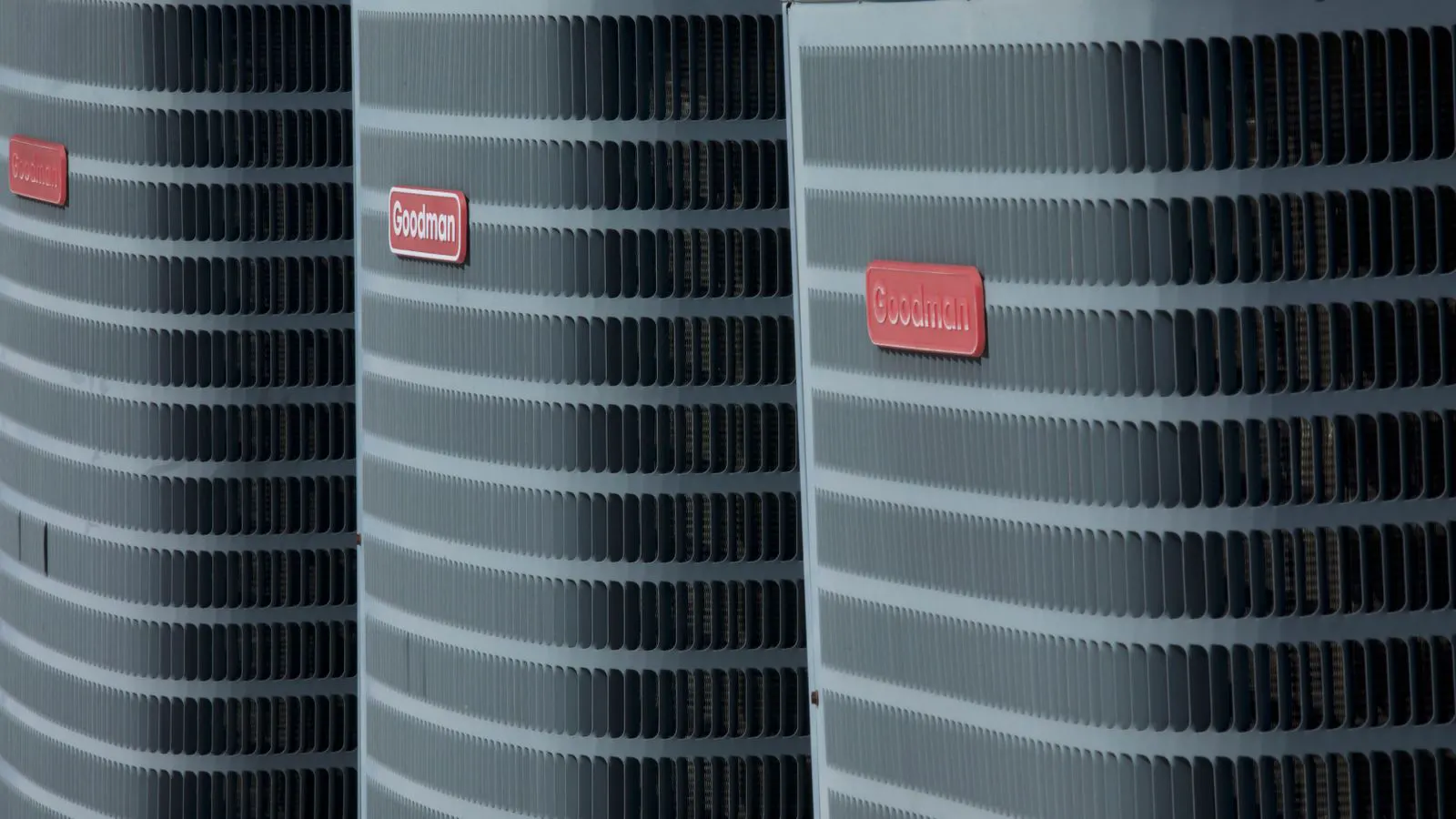
Refrigerated dryers handle moisture removal with high energy consumption per cubic meter. Membrane dryers use less power but face capacity limits. Choose based on air volume, pressure, and required dew point.
- Refrigerated dryers remove moisture using refrigeration circuits, which consumes significant electricity.
- Membrane dryers rely on pressure differentials and consume less power than refrigeration systems.
- Operating cost depends on air volume, pressure drop, and ambient temperature.
- Membrane dryers suit low flow rates and moderate pressure needs.
- Refrigerated dryers handle high flow and high pressure but incur higher energy costs.
How do refrigerated dryers remove moisture?
Refracted dryers remove moisture through a refrigeration cycle. Warm, moist compressed air enters a heat exchanger. The air contacts a cold coil, often made of aluminum or copper. Water vapor in the air condenses into liquid droplets. A drain pan or automatic drain valve collects the condensate. The air exits the dryer cooler and drier.
The refrigerant circulates through the coil. Compressors in the dryer system move the refrigerant. This process cools the air. The temperature of the air inside the dryer determines how much moisture it can hold. Lower temperatures hold less water vapor. This is the core principle behind refrigerated drying.
The energy cost of this method comes from the refrigeration cycle. The compressor that drives the refrigerant uses electricity. The fan that moves air through the dryer also uses electricity. In many facilities, this dryer fan can be larger than expected.
Refrigerated dryers are common in factories and workshops. They handle high volumes of air. They are reliable and well understood by maintenance teams. The parts are standard. Service technicians know how to check the refrigerant charge, the oil level, and the coil condition.
How do membrane dryers remove moisture?
Membrane dryers use a different approach. They do not use refrigeration. They use a pressure differential. The dryer contains a membrane element, often a hollow cylinder or a flat sheet. This membrane has tiny pores that allow air to pass through but restrict water vapor.
When compressed air is pumped through the membrane, some of the moisture is drawn out. The membrane acts as a filter for water vapor. The air that passes through is drier. The energy required comes from the pressure difference that drives the air through the membrane.
There are two main types. One type uses a compressor to force air through the membrane. The other type uses a vacuum system or a pressure differential created by the main compressor. Both methods use less electricity than refrigeration. The power draw is usually lower because there is no refrigeration cycle.
Membrane dryers are compact. They are lighter than refrigerated units. They have fewer moving parts. There is no oil in the air path, which simplifies maintenance. There are no refrigerant leaks to worry about. The membrane element is the main consumable. It needs replacement over time, but the replacement interval is often longer than the service interval of a refrigeration system.
What is the energy difference between the two types?
The energy difference comes from the physics of the process. Refrigeration requires work to remove heat. The second law of thermodynamics dictates that moving heat from a warmer space to a cooler space requires energy. The coefficient of performance describes how much heat is removed per unit of electricity. In practice, refrigerated dryers use a lot of power relative to the air volume.
Membrane drying uses less energy because it does not move heat. It moves air. The energy cost is primarily the pressure drop across the membrane. The pressure drop is usually small, but it adds to the compressor load. The compressor has to work harder to maintain the same downstream pressure.
The total energy cost includes the dryer power and the compressor power. Many buyers only look at the dryer nameplate rating. This is a mistake. The compressor consumes far more energy than the dryer. A small change in pressure loss can increase the compressor energy cost significantly.
When comparing two dryers, you must look at the total system energy. A membrane dryer with a low pressure drop may be more efficient than a refrigerated dryer with a low power draw. The pressure drop is a key variable. It depends on the membrane design, the air flow rate, and the pressure.
What factors change the operating cost?
Several factors change the operating cost of a dryer. Air volume is the biggest one. A dryer handling one cubic meter per minute costs less to run than one handling one hundred cubic meters per minute. The cost scales with the flow rate.
Ambient temperature affects refrigerated dryers more than membrane dryers. In hot weather, the refrigeration system works harder. The temperature difference between the air and the coil is larger. The refrigerant must remove more heat. In cold weather, the condenser works harder, and the coil temperature may be closer to the ambient temperature, which can affect performance.
Membrane dryers are less sensitive to ambient temperature. The membrane performance depends on pressure and flow, not on the outside air temperature. This makes membrane dryers more consistent in their energy draw.
The required dew point also matters. A refrigerated dryer can achieve a low dew point if the coil temperature is low enough. A membrane dryer can achieve a low dew point if the pressure differential is high enough. But as the dew point requirement gets lower, the energy cost for both types increases. For very low dew points, other drying methods are often used.
Comparison: Refrigerated vs Membrane Dryers
| Option | Best for | Limitations |
|---|---|---|
| Refrigerated dryers | High flow rates, high pressure, and standard dew point requirements | High energy consumption, larger size, more maintenance |
| Membrane dryers | Low to medium flow rates, moderate pressure, and clean air applications | Capacity limits, higher initial cost per unit of flow, membrane replacement |
Refrigerated dryers are the workhorses of compressed air systems. They are chosen when the facility needs a lot of air. They are also chosen when the pressure is high. The high pressure helps the refrigeration cycle work more efficiently. The large heat exchanger area is standard.
Membrane dryers are chosen for specific applications. They are common in laboratories, medical facilities, and electronics manufacturing. They are also used in small workshops where the air volume is low. The compact size is a major advantage. They fit in tight spaces where a refrigerated dryer would not fit.
When to choose a refrigerated dryer
You should choose a refrigerated dryer when the air volume is high. If your facility uses ten thousand cubic meters of air per day, a membrane dryer would be too small. You would need many membrane units in series or parallel. This increases complexity and cost.
Refrigerated dryers are also a good choice when the pressure is high. Many industrial processes require high pressure. The refrigeration cycle works well at these pressures. The dew point range is wide. You can set the controller to achieve a specific dew point.
Maintenance is another factor. If your plant has a large maintenance team, a refrigerated dryer is easy to service. The parts are available. The procedures are well documented. The risk of failure is low if the system is maintained properly.
When to choose a membrane dryer
You should choose a membrane dryer when the air volume is low. If your facility uses five hundred cubic meters of air per day, a membrane dryer is a better fit. It is compact and easy to install.
Membrane dryers are also a good choice when the air is clean. If the incoming air has no oil, no dust, and no chemicals, the membrane will last longer. If the air is dirty, the membrane clogs. The pressure drop increases. The energy cost goes up.
The initial cost is often higher for membrane dryers. But the operating cost is lower. If you run the dryer for many hours a day, the savings on electricity can offset the higher purchase price over time. You need to calculate the payback period.
How to calculate the energy savings
To calculate the energy savings, you need to know the power draw of the dryer and the compressor. Get the nameplate rating for the dryer. This is the power it uses when running at full load. For the compressor, check the nameplate or the electrical panel.
Next, measure the pressure drop across the dryer. Use a pressure gauge upstream and downstream. The difference is the pressure drop. Multiply the pressure drop by the air flow rate to get the power loss in the compressor. Convert this to kilowatts.
Add the dryer power and the compressor power loss. This is the total energy cost of the dryer. Do this for both the refrigerated and membrane dryers. Compare the totals.
The result is the true energy cost. A dryer with a low nameplate rating may have a high total energy cost if it causes a large pressure drop. A dryer with a high nameplate rating may have a low total energy cost if it causes a small pressure drop.
Frequently asked questions
Which dryer type is more energy efficient?
Membrane dryers are generally more energy efficient for low to medium flow rates. Refrigerated dryers are more efficient for high flow rates because the cost per unit of air is lower.
Do membrane dryers need refrigeration?
No. Membrane dryers use a pressure differential to remove moisture. They do not have a refrigeration cycle. The energy use is primarily for the pressure drop.
How does ambient temperature affect dryer efficiency?
Ambient temperature affects refrigerated dryers more than membrane dryers. Hot weather increases refrigeration load. Membrane dryer performance is less sensitive to temperature changes.
What is the main maintenance difference between the two?
Refrigerated dryers require refrigerant handling and oil management. Membrane dryers require membrane replacement but have no refrigerant or oil in the air path.
Can I use a membrane dryer for high pressure applications?
Yes, but the pressure drop may increase. The energy cost goes up. Check the pressure rating of the membrane element before installing it in a high pressure system.