Explainer: How Motor Efficiency Affects Compressor Output
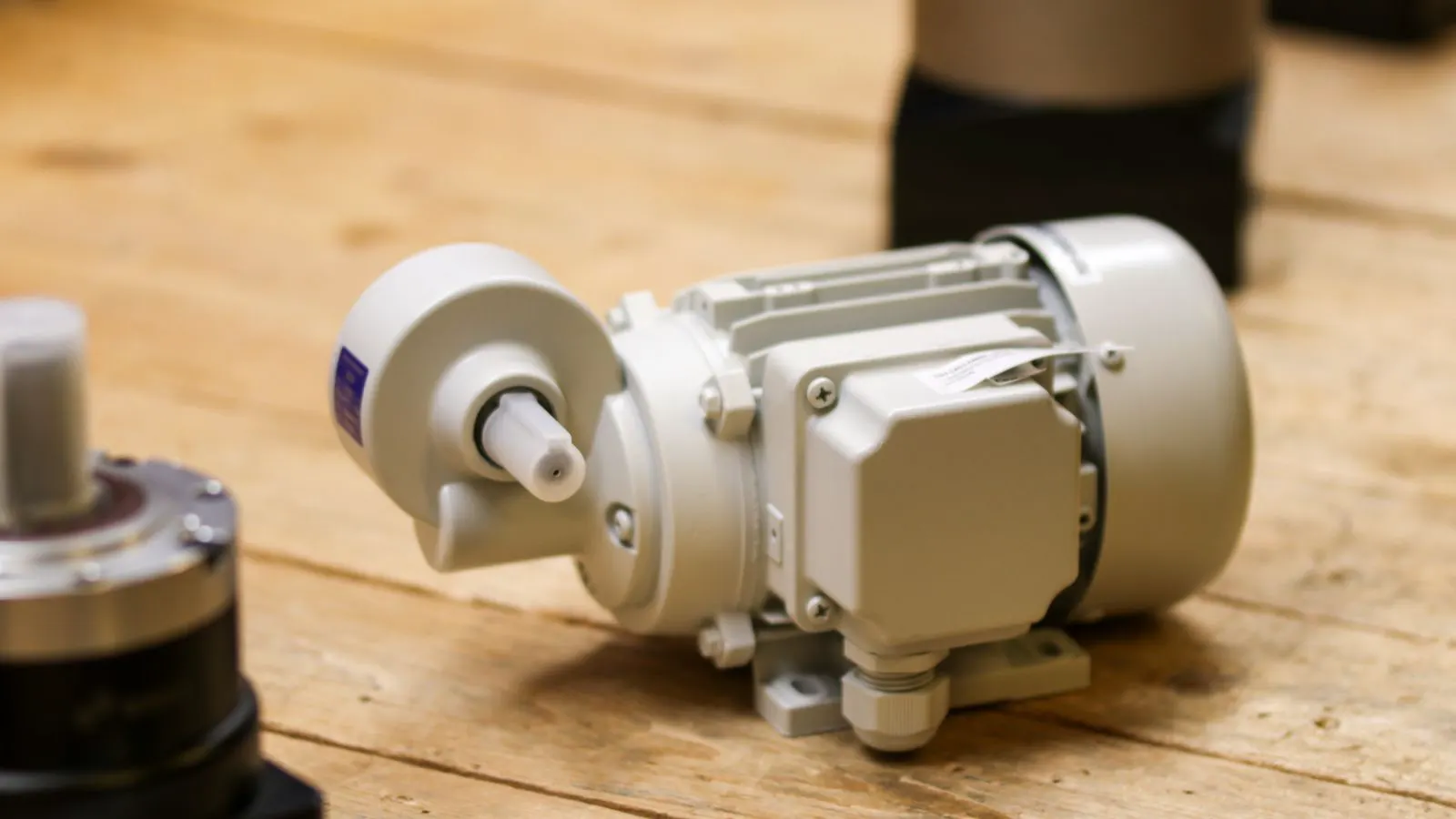
Electric motor selection directly affects compressor energy efficiency. A high-efficiency motor converts more electrical power into mechanical work, reducing heat loss. This improves total system performance and lowers operating costs for industrial air compressors.
- Motor efficiency determines how much electrical input becomes useful mechanical output.
- Heat loss from the motor increases the compressor unit's thermal load.
- Sourcing a high-efficiency motor reduces the total energy consumed by the compressed air system.
- Match the motor rating to the actual compressor load to avoid oversized or undersized performance.
- Verify motor efficiency class through documentation before finalizing equipment procurement.
How Motor Efficiency Changes Power Conversion
The electric motor is the primary energy converter in a compressor system. It takes electrical power from the plant grid and transforms it into rotational torque. The efficiency of that motor dictates how much of that input power survives the conversion process.
A motor with a high efficiency class produces less waste heat. That heat must dissipate through the motor casing, cooling fins, and surrounding air. In a compressor room, this heat raises ambient temperature and adds load on cooling systems.
When a motor wastes more energy as heat, the compressor unit must work harder to maintain the same output. The net effect is a higher total power draw per unit of compressed air delivered. Engineers track this loss when calculating the overall system energy efficiency.
Key Definitions for Motor Selection
Before evaluating specific machines, a shared vocabulary helps clarify the technical trade-offs.
The motor efficiency class refers to the percentage of electrical input power converted into mechanical output at rated load. A standard motor might convert a lower percentage of input to output than a premium efficiency motor. The difference represents energy lost as heat.
The rated load is the mechanical power the compressor requires to maintain its operating pressure and flow. This value comes from the compressor manufacturer’s technical data sheet. It is not the same as the motor nameplate power, which includes a service factor.
The service factor is a multiplier that allows the motor to run above its nameplate rating for short periods. It protects against transient loads but does not improve efficiency at steady state.
The total system efficiency combines the motor’s electrical-to-mechanical conversion with the compressor’s mechanical-to-pneumatic conversion. The motor sits at the entry point of this chain. If the entry point leaks energy, the entire chain suffers.
How Heat Loss Affects the Compressor System
Heat generation in the motor is not an isolated problem. It interacts with the compressor’s own thermal dynamics.
An air-cooled compressor already rejects heat from compression work. Adding a motor that generates excess heat increases the thermal load on the compressor’s cooling surfaces. In a hot environment, this can limit the compressor’s ability to maintain peak output.
The compressor control system may reduce output to protect the unit from overheating. This reduces the usable air supply without a corresponding reduction in energy consumption. The plant loses air capacity while still paying for the full electrical input.
In a system with a receiver tank, the compressor cycles on and off. A less efficient motor increases the energy cost of every cycle. The frequency of cycles depends on the plant’s air demand. A steady demand causes frequent cycling. Each cycle carries the same efficiency penalty.
Impact on Procurement and Sourcing Decisions
Engineers select motors during the equipment procurement phase. The decision involves balancing capital cost, energy cost, and installation constraints.
A high-efficiency motor typically carries a higher purchase price. The savings come from lower energy consumption over the operating life. The calculation requires estimating the annual operating hours and the local electricity rate.
For a compressor that runs continuously, the energy savings over several years often offset the initial premium. For a compressor that runs intermittently, the payback period lengthens. The engineer must match the motor efficiency class to the duty cycle.
The following table summarizes the trade-offs for common motor classes.
| Motor Class | Typical Efficiency Range | Capital Cost | Best Application |
|---|---|---|---|
| Standard | Lower | Lower | Intermittent use, short duty cycles |
| Premium | Higher | Moderate | Continuous operation, long duty cycles |
| High Efficiency | Highest | Highest | Critical process air, long-term ROI focus |
The ranges in the table are general. Specific values depend on the manufacturer and the motor size. Always refer to the nameplate data and test reports for the exact units.
Worked Example: A Plant Air System
Consider a manufacturing facility that uses a reciprocating compressor for pneumatic tools. The compressor runs for ten hours a day, five days a week. The plant uses standard compressed air for a variety of tasks.
The compressor manufacturer specifies a rated load of 55 kilowatts. The plant electrician checks the existing motor. It is a standard efficiency model. The energy bill for the compressor section is high. The engineering team reviews the motor nameplate. The efficiency class is standard.
The team calculates the difference between a standard motor and a high-efficiency motor. They estimate the annual energy savings based on the operating hours and the local power rate. They factor in the higher purchase price of the high-efficiency motor.
The calculation shows a positive return on investment. The team specifies a high-efficiency motor for the replacement unit. They also check the cooling system to ensure it can handle the reduced heat output. The compressor now maintains its output with less total power draw.
This example shows how a single component change affects the whole system. The motor selection is not an isolated purchase. It is a decision that impacts energy efficiency, thermal management, and operating cost.
Verification and Documentation Checks
Sourcing documents often list the motor efficiency class in general terms. Engineers must verify the specific rating for the unit they are buying.
The nameplate on the motor provides the rated power, voltage, and efficiency class. The efficiency class is often labeled with a standard designation. The engineer should match this designation to the expected operating conditions.
The data sheet from the motor manufacturer lists the efficiency at different load points. A motor may be highly efficient at full load but less efficient at part load. The compressor’s duty cycle determines where the motor operates most of the time.
The installation environment matters. Ambient temperature and ventilation affect the motor’s ability to dissipate heat. If the motor room is hot, a motor that performs well in a cool environment may underperform in practice.
Engineers should request the test reports for the specific motor model. These reports confirm the efficiency ratings under standardized conditions. They provide a baseline for comparison when evaluating multiple vendors.
Final Considerations for System Design
The electric motor is the entry point for energy efficiency in a compressor system. Its performance sets the ceiling for the rest of the chain. A high-efficiency motor reduces waste heat and lowers the total power draw.
Engineers must align the motor selection with the compressor’s actual load profile. A standard motor may be sufficient for low duty cycles. A high-efficiency motor delivers better returns for continuous operation.
The thermal load of the motor affects the compressor’s cooling requirements. A motor that generates less heat eases the burden on the cooling system. This can extend the life of the compressor’s cooling components.
The procurement decision should include documentation checks. Verify the efficiency class, load ratings, and test reports. Use the data to model the energy savings over the expected operating life.
The electric motor is a critical part of the compressor system. Its efficiency directly shapes the energy efficiency of the whole unit. Engineers who match the motor to the duty cycle and verify the documentation make informed sourcing decisions. The result is a compressor system that delivers reliable air with lower energy consumption.
Common Mistakes in Motor Selection
Several errors reduce the potential benefits of a high-efficiency motor.
Selecting a motor with a high nameplate power rating for a low load application creates an oversizing problem. The motor runs at part load and operates below its most efficient point.
Ignoring the service factor leads to confusion. The service factor allows short-term overloading but does not change the efficiency at rated load. Engineers must distinguish between the nameplate rating and the actual operating point.
Neglecting the cooling environment causes thermal issues. A motor that runs hot in a poorly ventilated room may derate its output. The compressor then operates below its rated capacity.
Skipping the documentation check risks buying a unit that does not meet the expected efficiency. The nameplate may list a standard class, but the actual performance varies by manufacturer and size.
Conclusion
The electric motor efficiency directly affects the energy efficiency of industrial air compressors. A high-efficiency motor converts more electrical power into mechanical work. It reduces waste heat and lowers the total system power draw.
Engineers must match the motor to the compressor’s duty cycle. The selection process involves calculating the energy savings and verifying the documentation. The goal is a system that delivers reliable compressed air with minimal energy waste.
The motor is the starting point for system efficiency. Its performance determines how much energy is available for compression work. A well-chosen motor improves the overall performance of the compressor system.
The decision is technical and financial. It requires a clear understanding of the load profile and the operating environment. Engineers who apply these principles make informed sourcing decisions. The result is a more efficient and reliable compressed air system.
Frequently asked questions
How does motor efficiency affect the compressor's total power draw?
A less efficient motor converts more electrical power into heat. This increases the total power draw for the same mechanical output. The compressor must supply the same air, but the motor wastes more energy in the process.
Can a high-efficiency motor replace a standard motor without changes?
Often, yes. The physical dimensions and mounting may be similar. However, the cooling requirements change. A high-efficiency motor generates less heat, which can reduce the load on the cooling system.
What is the best motor class for a compressor that runs intermittently?
A standard efficiency motor may be sufficient for low duty cycles. The energy savings from a high-efficiency motor take longer to materialize. The engineer must calculate the payback period based on the actual operating hours.
How do I verify the motor efficiency class for a specific unit?
Check the nameplate and the manufacturer's data sheet. The efficiency class is listed with a standard designation. Request test reports to confirm the ratings under standardized conditions.
Does a high-efficiency motor reduce the compressor's operating temperature?
Yes, it reduces the heat generated by the motor. This lowers the thermal load on the compressor's cooling system. The compressor can maintain its output with less cooling effort.