Comparison: Oil-Free vs Oil-Injected Dryers

Oil-free dryers offer cleaner downstream air but higher maintenance cost per unit. Oil-injected dryers remove more moisture with less capital outlay but require oil change intervals. The best choice depends on air quality requirements, duty cycle, and maintenance resources.
- Oil-free dryers eliminate oil contamination risk but require more frequent filter changes and membrane or desiccant replacement.
- Oil-injected dryers remove higher moisture loads with less capital cost but introduce oil mist that needs filtration.
- Purity requirements drive the choice. Medical, semiconductor, or food processing lines favor oil-free.
- Maintenance labor and downtime cost often outweigh initial unit price when comparing the two over five years.
Which dryer removes moisture better
Oil-injected dryers handle higher moisture loads per unit of compressed air. The oil film inside the dryer acts as a heat sink and helps condense water vapor. The downstream filter then removes both oil mist and liquid water. In a high-dew-point environment, an oil-injected dryer can push the outlet temperature lower than a comparable oil-free unit.
Oil-free dryers work through a different mechanism. They use a membrane or desiccant to pull water from the air stream. The membrane is semi-permeable to vapor. Water molecules pass through the shell, while air molecules pass through the core. The result is dry air without oil carryover. The trade-off is that the membrane has a fixed capacity. Once it saturates, the dryer switches to a purge cycle that vents saturated air.
For most general-purpose manufacturing lines, an oil-injected dryer reaches the target pressure dew point with a smaller footprint. For lines where even trace oil contamination is unacceptable, the oil-free option is the only practical path.
How maintenance differs between the two
Oil-free dryers have more moving parts that require regular attention. The membrane or desiccant bed wears out with time and exposure to contaminants. Filter elements upstream must stay clean, because dust and particulate matter block the membrane pores. The purge valve cycles frequently, which adds wear to the valve seal.
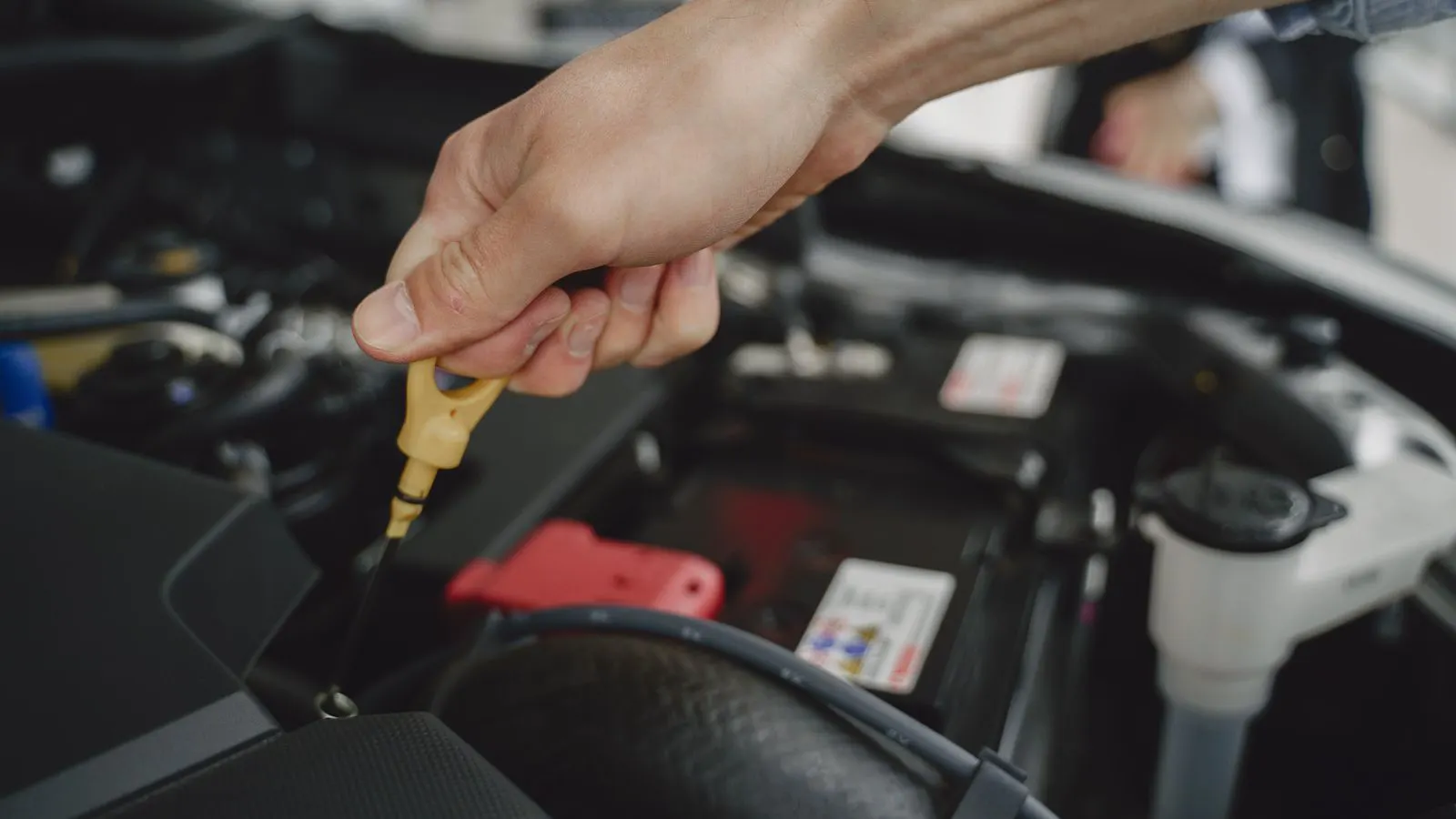
Oil-injected dryers have a simpler maintenance profile. The main recurring task is oil change. The oil filter and air filter also need attention. The oil itself degrades with heat and water contamination. When the oil darkens or water accumulates, the oil change interval shortens.
The key difference is what you are maintaining. Oil-free units consume filters and membranes on a fixed schedule. Oil-injected units consume oil and filters on a condition-based schedule. Both require labor. The labor pattern differs.
| Option | Best for | Limitations |
| Oil-Free Dryers | High-purity air, food processing, medical lines, semiconductor manufacturing | Higher filter replacement cost, longer purge cycles, lower moisture removal per unit |
| Oil-Injected Dryers | General manufacturing, high-moisture environments, lower budget lines | Oil mist carryover, oil change intervals, not suitable for zero-oil applications |
| Hybrid Approach | Mixed-use facilities with both high-purity and general lines | Two separate maintenance regimes, more space required, complexity in switching |
| Membrane Plus Desiccant | Moderate moisture loads where oil-free is required but capacity is limited | Two-stage system, more filters, higher upfront cost |
| Single-Stage Membrane | Light-duty air quality applications, small workshops | Limited capacity, not suitable for high-volume lines |
When to pick oil-free dryers
Pick an oil-free dryer when downstream processes cannot tolerate oil. The examples are not hypothetical. A semiconductor fab line will reject oil mist. A pharmaceutical filling station will reject oil on product. A food processing line that handles flour or powder will reject oil on the product.
Oil-free dryers also reduce the cost of downstream filtration. If you use an oil-injected dryer, you need a coalescing filter or an oil-separator to catch the mist. That adds a filter change task and a potential leak point. With an oil-free dryer, the downstream air is already clean. You still need a final filter, but it is simpler.
The maintenance cost is higher. A membrane dryer may require a filter change every quarter. A desiccant bed may need regeneration or replacement every few years. The labor is predictable. The parts cost is higher per unit than an oil change.
Pick oil-free when purity matters more than unit cost.
When to pick oil-injected dryers
Pick an oil-injected dryer when the air goes to tools, paint booths, or general process air. The air quality requirement is pressure and moisture, not purity. The oil-injected dryer handles the load with a smaller footprint and a lower purchase price.
The maintenance is oil changes. The interval depends on the oil type and the ambient humidity. A standard mineral oil may need changing every six months. A synthetic oil may stretch that interval. The filter changes follow the same rhythm.
The risk is oil mist. If the coalescing filter fails or the oil separator breaks, oil can reach downstream. The cost of a tool jam or a paint defect can exceed the cost of switching to an oil-free dryer. The risk is low but real.
Pick oil-injected when the air quality requirement is modest and the moisture load is high.
How total cost of ownership changes the decision
The purchase price is the smallest part of the picture. Over five years, the total cost includes filters, oil, membranes, labor, and downtime.
An oil-free dryer may cost more upfront. The membrane is a capital item. The filter elements are a recurring item. The labor for filter changes is predictable.
An oil-injected dryer costs less upfront. The oil is cheaper per change. The labor is less frequent. The risk is the cost of an oil leak or an oil contamination event.
The math depends on your labor rate. If a technician costs forty dollars per hour, a filter change that takes two hours is eighty dollars. A membrane replacement that takes four hours is three hundred twenty dollars. The parts add to that.
The math also depends on your air volume. A small workshop running a two-horsepower compressor may see a small difference in total cost. A large plant running a twenty-horsepower line will see a large difference.
Do the math for your specific duty cycle. Do not compare catalog prices.
How ambient humidity changes the decision
A dryer in a dry climate works differently from a dryer in a wet climate. The incoming air carries more vapor in a wet climate. The dryer must remove more moisture per cycle.
An oil-free dryer in a wet climate will cycle more often. The purge valve opens more. The membrane saturates faster. The filter upstream sees more water. The maintenance interval shortens.
An oil-injected dryer in a wet climate also works harder. The oil absorbs more water. The oil darkens faster. The oil change interval shortens. The coalescing filter clogs faster.
The Explainer article on ambient humidity covers how dew point and relative humidity interact. The practical point is that the same dryer model will have different maintenance intervals depending on where it runs.
If you are in a coastal or tropical location, assume shorter intervals than the manufacturer data suggests. If you are in a dry inland location, you may stretch the intervals.
How to decide in practice
Start with the air quality requirement. If the process cannot tolerate oil, the decision is made. Oil-free is the only path.
If the process can tolerate oil, move to the moisture load. Measure the pressure dew point you need. Check the ambient humidity at the compressor location. Estimate the compressor duty cycle.
Next, check your maintenance resources. Do you have a technician on site? Do you have the tools to change a membrane? Do you have a schedule for oil changes?
Finally, check the budget. Compare the five-year total cost, not the purchase price. Include filters, oil, membranes, labor, and downtime.
The best dryer is the one that meets the air quality requirement with the lowest total cost and the least downtime.
Frequently asked questions
Can I replace an oil-injected dryer with an oil-free dryer?
Yes, if the air quality requirement allows. Check the downstream filtration. Remove the coalescing filter if you switch. The oil-free dryer will have a different maintenance schedule.
Does an oil-free dryer remove moisture as well as an oil-injected dryer?
It depends on the unit and the duty cycle. Oil-injected dryers generally handle higher moisture loads. Oil-free dryers remove moisture through membrane or desiccant mechanisms. The capacity is lower per unit.
How often should I change oil-free dryer filters?
Every three to six months in normal service. Shorten the interval in high-dust or high-humidity environments. Check the filter pressure drop gauge.
How often should I change oil in an oil-injected dryer?
Every six months for standard mineral oil. Every twelve months for synthetic oil, depending on the manufacturer and the ambient conditions.
Which dryer is cheaper to buy?
Oil-injected dryers are generally cheaper upfront. Oil-free dryers cost more because of the membrane or desiccant and the added filtration. The total cost over five years may be closer than the purchase price suggests.