Comparison: Preventive vs Corrective Maintenance Costs
Preventive maintenance costs are spread across scheduled inspections, filters, and oil changes. Corrective maintenance costs spike during unplanned repairs, emergency parts shipping, and production loss. For industrial compressors, a planned schedule usually reduces total lifecycle spend despite higher upfront service fees.
- Preventive maintenance requires budgeting for routine parts and labor, but it lowers the risk of catastrophic failure.
- Corrective maintenance often costs more per incident because of emergency parts, overtime, and lost production.
- Hybrid strategies that mix routine checks with condition monitoring can reduce unnecessary work on healthy units.
- Accurate record keeping is required to prove that maintenance spending prevents larger asset losses.
What drives the cost difference between planned and unplanned work?
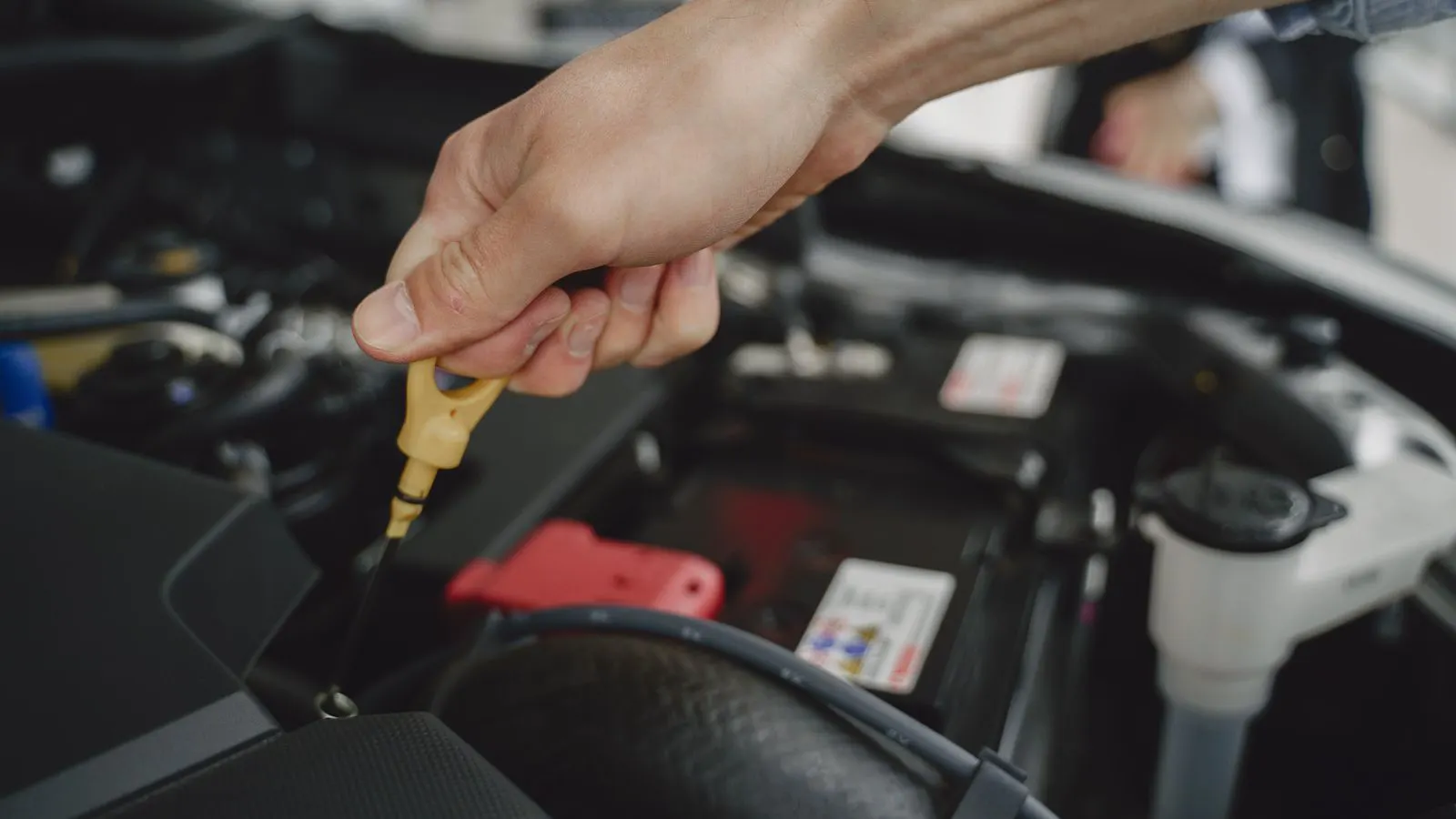
The financial gap between preventive and corrective maintenance stems from timing, urgency, and the scope of the damage. Preventive maintenance happens on a set schedule. A technician replaces filters, checks oil levels, and tests safety valves before a problem appears. The cost is predictable. It shows up as recurring line items in the operating budget.
Corrective maintenance happens after a failure. A motor burns out, a dryer clogs, or a seal fails. The compressor shuts down. Production stops. The team must call in specialists, order parts from a warehouse or a distributor, and arrange for after-hours labor. The cost is variable and often high.
For procurement managers, the comparison is not just about parts. It is about the full cost of ownership. A cheaper repair bill does not mean a cheaper failure. The cost of a failed compressor includes the repair itself, the downtime, the energy wasted during restart, and the wear on connected equipment.
How do preventive maintenance costs break down?
Preventive maintenance for industrial compressors usually involves three cost categories. The first is consumables. This includes air filters, oil, oil filters, and sometimes desiccant for dryers. These items have stable prices, but they require regular budgeting.
The second category is labor. A qualified technician must inspect the unit, check belts, measure amperage, and verify pressure settings. The time required depends on the compressor type and the age of the unit. Older machines need more attention.
The third category is documentation and planning. The team must maintain records, order parts, and schedule downtime. Many plants combine this with other tasks, such as cleaning the compressor room or inspecting piping. This reduces the labor cost per visit.
Preventive maintenance also protects the warranty. Many manufacturers require scheduled service to keep warranty claims valid. Skipping service can void coverage on the motor or the control system.
What makes corrective maintenance expensive?
Corrective maintenance is expensive because it is reactive. The failure is already happening. The team must diagnose the cause quickly to stop further damage. If a bearing fails, the shaft may be bent. If an electrical fault occurs, the control board may be damaged. Repairing the root cause is more costly than replacing a single part.
Emergency parts shipping adds to the cost. Standard freight takes days. Expedited shipping costs more. If the part is not in stock, the plant may need to borrow a unit from another site or run a portable compressor. Both options add expense.
Downtime is the largest hidden cost. If the compressor feeds a paint line, a packaging system, or a pneumatic tool network, the stoppage affects the whole production run. The value of that lost production time can exceed the repair bill.
Corrective maintenance also creates stress on the team. Technicians work under pressure. Mistakes are more likely. A rushed diagnosis can lead to a temporary fix that fails again in a few weeks. This creates a cycle of repeated repairs.
Comparison of preventive versus corrective maintenance strategies
The table below compares the main approaches to managing compressor maintenance.
| Option | Best for | Limitations |
|---|---|---|
| Full preventive maintenance | Newer units and critical production lines | Can be wasteful if parts are replaced too early |
| Corrective maintenance | Low usage units or non-critical backups | High risk of long downtime and emergency costs |
| Hybrid maintenance | Mixed fleets with varying usage patterns | Requires good data and record keeping |
| Predictive maintenance | High-value assets with sensor data | Higher upfront cost for sensors and training |
When should a plant choose preventive maintenance?
Preventive maintenance is the default choice for most industrial compressors. It is the best fit for units that run continuously or feed critical processes. If the compressor stops, the production line stops. The cost of downtime is high. A scheduled service plan prevents that risk.
It is also the right choice when the compressor is under warranty. The manufacturer expects regular oil changes, filter replacements, and safety checks. Following the schedule protects the warranty and extends the life of the unit.
Preventive maintenance works best when the plant has a clear schedule. The team knows when filters are due. It knows when to test the unloader valve. It knows how to read the amperage gauge. Without that knowledge, the schedule becomes a formality. The technician shows up, signs the paper, and leaves. The compressor still fails.
When is corrective maintenance acceptable?
Corrective maintenance is not always the wrong choice. It makes sense for backup compressors that run rarely. If a unit only kicks in during peak demand, the cost of scheduled service may exceed the benefit. The risk of failure is low. The downtime impact is minimal.
It is also acceptable for non-critical applications. If the air supply goes to a small workshop or a test bench, a failure does not stop the main production run. The team can repair the unit when it fails without losing much value.
However, corrective maintenance is risky. A rare event can become a frequent one. If a backup compressor fails, the plant may have no air at all. The cost of that failure can be severe. A hybrid approach helps here. The backup unit gets basic checks, but not a full overhaul every few months.
How to calculate the true cost of maintenance
To compare the costs, procurement managers need to look beyond the invoice. They should track three numbers. The first is direct cost. This includes parts, labor, and shipping. The second is downtime cost. This is the value of production lost during the stoppage. The third is residual value loss. A compressor that fails badly may be harder to resell or repair.
A simple model works well. Take the annual cost of preventive maintenance. Add the expected cost of one corrective failure, including downtime. Compare that to the cost of no maintenance, which includes the cost of multiple failures.
The numbers vary by plant. A food processing plant loses more value per hour of downtime than a warehouse. A chemical plant may have higher safety costs during a failure. The manager must use their own data. Generic averages do not help.
How to reduce maintenance costs without cutting corners
Lowering maintenance costs does not mean skipping service. It means doing less unnecessary work. Many plants replace filters on a fixed schedule even when the filter condition is still good. This wastes money. A condition-based check can extend the interval.
The same applies to oil. Some compressors use sensors that monitor oil pressure and temperature. If the data is normal, the oil change interval can be extended. If the data shows wear, the change can be moved up. This is the shift toward predictive maintenance. It reduces waste but requires data.
Record keeping is key. If the team does not know when the last service was, they cannot plan the next one. A simple logbook or a digital system helps. It tracks hours of run time, filter changes, and repair history. This data also helps when negotiating with service vendors. The vendor can see the usage pattern and provide better advice.
Finally, train the operators. A basic check by the operator can catch early problems. A strange noise, a leak, or a pressure drop can be reported before it becomes a failure. The operator does not need to fix it. They just need to report it. This shifts the work to the maintenance team at the right time.
What is the best maintenance strategy for your compressor?
The best strategy depends on the role of the compressor in the production process. If it is critical, use preventive or hybrid maintenance. If it is a backup, use a lighter schedule with condition checks. If it is old and expensive to run, consider a replacement plan that includes maintenance costs.
Do not let the budget force a choice. Cutting maintenance to save money is a common mistake. The savings are small. The risk is high. A failed compressor can cost thousands of dollars in repairs and downtime. The planned service cost is usually a fraction of that.
Start with the data. Look at the last three years of maintenance records. Identify the most common failures. Calculate the cost of those failures. Then build a schedule that addresses the root causes. This gives the procurement team a clear picture of the costs and a plan to control them.
Frequently asked questions
How much does preventive maintenance cost compared to corrective maintenance?
Preventive maintenance costs are lower per event because they involve routine parts and labor. Corrective maintenance costs are higher per incident because they include emergency parts, overtime, and lost production.
Can I use corrective maintenance for all my compressors?
It is possible, but risky. It works for low-use backups. For critical units, corrective maintenance can cause long downtime and high repair bills.
What records should I keep to track maintenance costs?
Keep a log of service dates, parts replaced, labor hours, and downtime duration. This data helps you calculate the true cost of each strategy.
Is predictive maintenance more expensive than preventive maintenance?
It has a higher upfront cost for sensors and training. Over time, it can reduce unnecessary work and extend part life. The savings depend on the quality of the data and the size of the fleet.
How do I decide if my compressor needs a hybrid approach?
Look at the usage pattern. If the unit runs some days and sits other days, a hybrid schedule works well. Combine basic checks with condition monitoring to avoid over-maintenance. ===END===