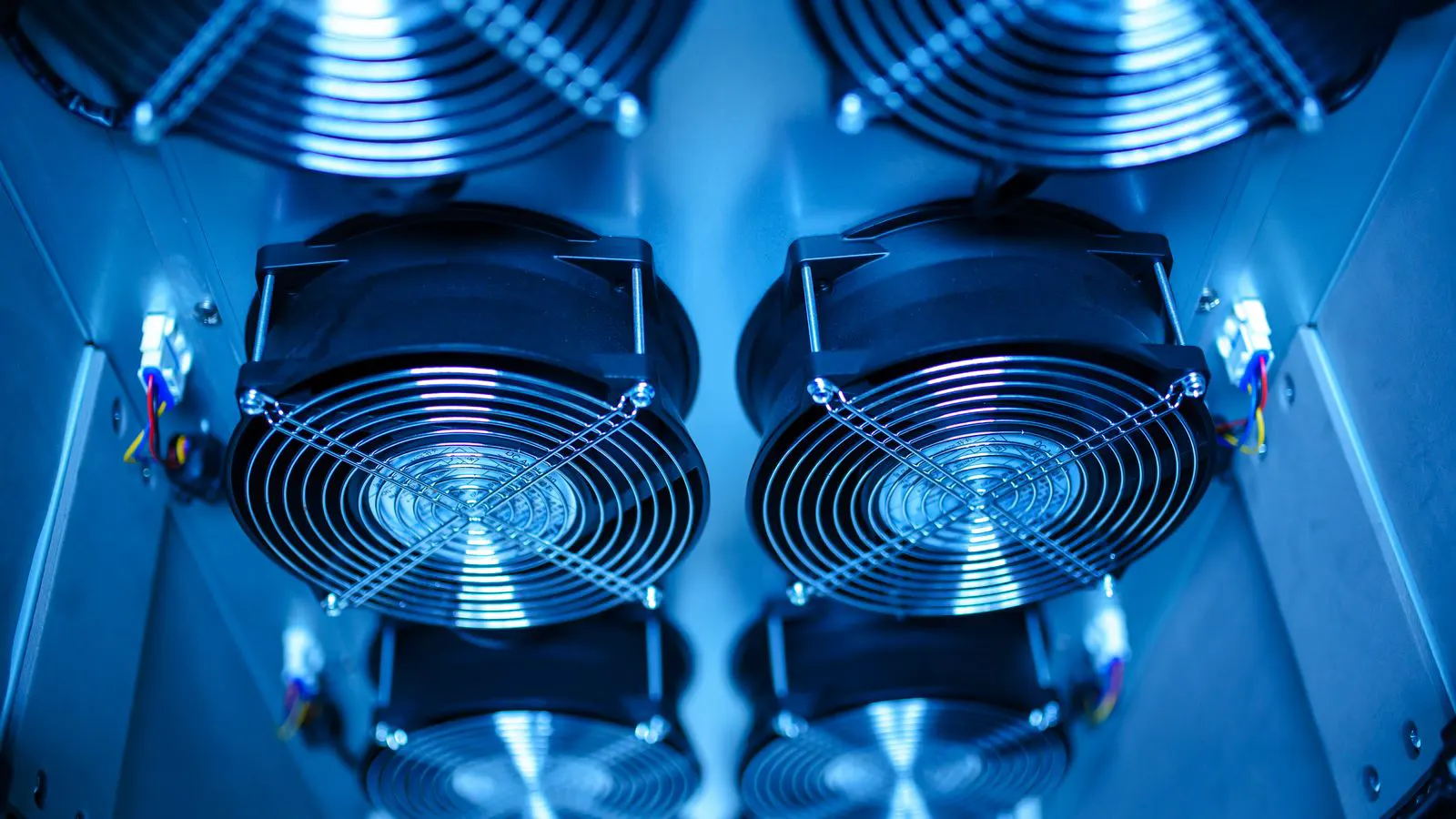
Comparison: Oil-Free vs Oil-Injected Reciprocating Units

Oil-free reciprocating compressors deliver clean air without oil contamination but require tighter duty-cycle management. Oil-injected piston units handle heavier loads and higher pressures with lower noise but need filtration. The right choice depends on air purity standards and operating intensity.
- Oil-free reciprocating compressors avoid oil mist and are suited to sensitive processing environments.
- Oil-injected piston units handle sustained high loads and higher pressures with less mechanical wear.
- Duty cycle and ambient temperature strongly influence which piston design performs reliably.
- Maintenance plans differ sharply between the two types, affecting long-term operating cost.
Choosing the Right Piston Architecture
Oil-free vs oil-injected reciprocating compressors is a core decision for plant air systems. Both designs use pistons, but they manage compression differently and impose different maintenance burdens. The choice shapes air quality, noise, service intervals, and total cost of ownership.
This comparison covers three common configurations: oil-free rotary piston, oil-injected piston, and hybrid approaches used in certain industrial lines. The goal is to match the compressor to the air demand profile, not just the pressure rating.
How Each Design Handles Compression
Oil-free reciprocating compressors rely on dry compression. The piston moves through a cylinder without lubricating oil contacting the compressed air path. Seals and piston rings are selected for low friction and low wear, and the air path stays free from oil film. The trade-off is higher mechanical stress on the components during each stroke.
Oil-injected reciprocating compressors use a small quantity of oil to lubricate the piston rings and cylinder walls. The oil forms a thin film that reduces friction and heat. During the compression stroke, the oil is carried into the air stream as a mist or fine droplet. A coalescing filter removes most of the oil before the air reaches the receiver. Some residual oil mist may remain, which limits suitability for sensitive processes.
Performance and Duty Cycle Differences
Duty cycle is the most practical differentiator. Oil-injected piston compressors tolerate longer continuous runs because the oil film keeps temperatures lower. The same physical size of compressor can run at a higher load percentage without overheating. Oil-free units overheat faster under sustained load because the dry surfaces generate more friction heat.
For intermittent duty, such as batch processing or machine tool air at low pressure, an oil-free piston unit works well. For continuous process air at higher pressures or in hot ambient conditions, the oil-injected design generally holds up better. The ambient temperature matters. In a plant with ambient temperatures above 35 degrees Celsius, an oil-free unit may need a derated load or a larger cooling surface to stay within its thermal limits.
A numbered list helps clarify the operational trade-offs:
- Oil-free units deliver oil-free air, which meets stricter purity requirements without downstream filtration.
- Oil-injected units allow higher sustained duty cycles and better thermal management.
- Oil-free units typically have higher maintenance frequency for seals and valves.
- Oil-injected units require oil management, filter changes, and periodic oil sampling.
- Oil-free units are often quieter at the source, but oil-injected units can be tuned for lower noise with proper sound treatment.
Air Quality and Purity Requirements
The air quality requirement is often the deciding factor. If the compressed air feeds a cleanroom, a food processing line, or a chemical dosing system, even trace oil can cause defects or regulatory issues. Oil-free reciprocating compressors eliminate the source problem. The air leaving the cylinder contains no oil, so the only contamination risk comes from dust, moisture, or external contaminants that must be controlled at the inlet.
In contrast, oil-injected compressors require a coalescing filter to remove the bulk oil mist. Even with a good filter, a small amount of oil can remain in the air stream. For applications that require oil-free air, the filter alone is not always sufficient. Some plants use a secondary filtration stage, such as a carbon filter, to meet stricter specifications. The cost and maintenance burden of that extra stage must be included in the total cost calculation.
Noise and Mechanical Wear
Oil-free reciprocating compressors generate noise from the piston, valve, and frame. The dry compression cycle creates sharp pressure spikes. The Explainer article on oil-free piston noise levels discusses how to measure and reduce this at the source. For many industrial settings, the noise is acceptable if the unit is installed in a mechanical room or behind a sound barrier.
Oil-injected piston compressors have a smoother compression cycle because the oil film cushions the piston ring. The noise profile is different, often with less high-frequency content. However, the larger oil system adds components that can introduce vibration. The mechanical wear pattern also differs. Oil-free units wear seals and valves faster because there is no lubricating film. Oil-injected units wear cylinder liners and piston rings, but the oil extends the service life of those parts.
Maintenance and Total Cost of Ownership
Maintenance frequency and complexity differ between the two designs. An oil-free piston compressor needs regular inspection of valves, piston rings, and seals. These parts are replaced at planned intervals, and downtime for service is short. The oil-injected unit requires oil changes, filter replacements, and periodic checks of the oil condition. The oil filter service interval depends on load and ambient conditions.
Total cost of ownership includes purchase price, energy consumption, maintenance labor, and downtime risk. Oil-free units often have a higher initial cost because the dry compression components are more expensive to manufacture. Oil-injected units have a lower initial cost but a higher long-term maintenance cost if the oil system is not managed properly. Energy consumption is similar for equivalent pressure and flow, but the oil-injected unit may use slightly more energy to drive the oil circulation.
Comparison Table
The table below summarizes the key differences for a typical industrial application.
| Option | Best for | Limitations |
|---|---|---|
| Oil-free reciprocating piston compressor | Clean air, intermittent duty, sensitive processes | Higher seal wear, lower sustained duty cycle, higher initial cost |
| Oil-injected reciprocating piston compressor | Continuous duty, higher pressure, hot ambient | Oil mist requires filtration, higher maintenance complexity, not suitable for oil-free air |
| Hybrid or filtered oil-injected setup | Plants that need high output but can add filtration | Added filtration cost, maintenance burden, residual oil risk |
| Multi-stage oil-free unit | High pressure clean air | Higher complexity, more parts to service, higher noise |
| Single-stage oil-injected unit | Low pressure, moderate duty cycle | Limited pressure range, oil management, not for clean air |
When to Pick Each
Pick an oil-free reciprocating compressor when the air must be free of oil. This includes food and beverage processing, pharmaceutical filling, electronics assembly, and certain chemical applications. The duty cycle must fit within the thermal limits of the dry compression design. If the plant runs the compressor at a high load for long periods, verify that the unit is rated for that load or select a larger displacement.
Pick an oil-injected reciprocating compressor when the air demand is continuous and the application does not require oil-free air. This includes machine tools, pneumatic tooling, general plant air, and many material handling systems. The oil film keeps temperatures down and extends component life. The plant must manage the oil system properly, including regular oil changes and filter service.
Pick a hybrid approach when the plant needs high output but can add filtration. This is common in facilities that have a mix of sensitive and non-sensitive air users. A central oil-injected compressor feeds the main air system, and a separate oil-free unit or a filtration train serves the clean air demand. The hybrid approach can be more efficient than running multiple small oil-free units.
Practical Selection Checklist
Before finalizing the compressor type, confirm the following:
- Air purity requirement, including any oil-free specification.
- Maximum operating pressure and required flow at that pressure.
- Duty cycle, defined as the ratio of running time to total available time.
- Ambient temperature range, including peak summer conditions.
- Noise limits and installation location.
- Maintenance labor availability and skill level.
- Total cost of ownership over the expected equipment life.
The selection is not just about the compressor. It is about the whole air system, including the inlet filter, receiver, and distribution. An oil-free unit with a poorly designed inlet filter can still deliver contaminated air. An oil-injected unit with a well-maintained filtration system can deliver acceptable air for many industrial uses. Match the compressor to the air quality and duty profile, not just the price tag.
Common Mistakes to Avoid
The most common mistake is selecting an oil-free compressor for a high-duty-cycle application without checking the thermal derating. The unit may overheat and fail prematurely if it runs at a load above its rated continuous capacity.
Another mistake is underestimating the maintenance burden of an oil-injected system. The oil and filters must be changed at the correct intervals. If the oil degrades or the filter clogs, the compressor efficiency drops and the risk of oil carryover increases.
A third mistake is ignoring the inlet air quality. Both compressor types are sensitive to dust and moisture. The inlet filter must be selected for the ambient air conditions, and the filter element must be replaced at the correct interval. A clogged inlet filter reduces efficiency and can damage the compressor.
Finally, do not assume that a larger compressor solves a duty-cycle problem. A larger oil-free unit may still overheat if the ambient temperature is high and the load is sustained. The solution is to match the compressor size to the actual duty profile, not to oversize it.
Final Thoughts
Oil-free vs oil-injected reciprocating compressors is a trade-off between air quality, duty cycle, and maintenance. Oil-free units deliver clean air and are the default for sensitive processes. Oil-injected units handle heavier loads and higher pressures with lower mechanical stress. The right choice depends on the specific operating conditions and the air quality requirement.
A well-designed air system starts with the compressor selection. The inlet filter, receiver, and distribution must be sized to match the compressor output. The maintenance plan must be realistic for the plant’s labor and skill level. When the compressor, duty cycle, and air quality are aligned, the system runs reliably and meets the plant requirements.
Frequently asked questions
Can an oil-injected piston compressor be used for clean air applications?
Only if the air passes through a coalescing filter and possibly a carbon filter. Even then, a small amount of oil mist may remain, so verify the purity requirement before using this approach.
Which piston compressor type is better for high ambient temperatures?
Oil-injected piston compressors generally handle high ambient temperatures better because the oil film helps manage heat. Oil-free units may need derating or a larger cooling surface in hot conditions.
How often should seals and valves be replaced on an oil-free reciprocating compressor?
The interval depends on the manufacturer's specification and the duty cycle. Check the maintenance manual for the recommended service interval, and adjust it based on actual operating hours.
Does an oil-injected piston compressor require more energy than an oil-free unit?
Energy consumption is similar for equivalent pressure and flow. The oil-injected unit may use slightly more energy to drive the oil circulation, but the difference is usually small.
Can I run an oil-free reciprocating compressor at 100 percent duty cycle?
Only if the manufacturer explicitly rates the unit for continuous duty. Most oil-free piston compressors are rated for intermittent duty, and running them at 100 percent can cause overheating and premature failure.