Outlook: Oil-Free Compressor Reliability in Harsh Climates
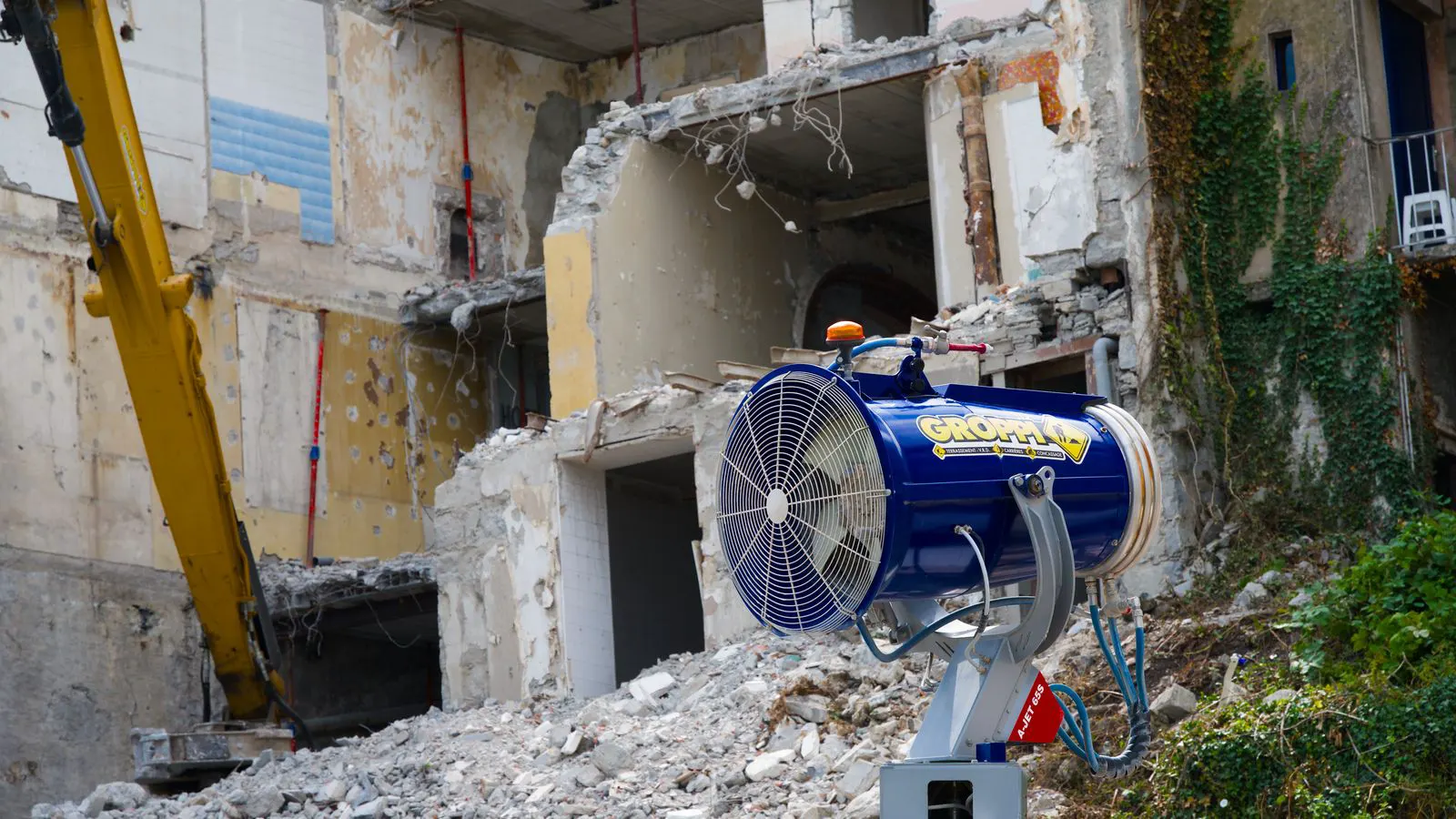
Dust and extreme temperatures reduce oil-free compressor life by accelerating wear and straining cooling systems. Buyers should plan for stricter filtration, better ventilation, and frequent filter changes. These adjustments help maintain reliability in harsh climates.
- Dust bypasses intake filters and wears piston seals faster than in clean air.
- Heat raises discharge temperatures, which shortens seal life and reduces free air delivery.
- Cold air causes condensation that damages electrical components and gaskets.
- Buyers should budget for more frequent filter changes and better ventilation.
- Specifying dust tolerant inlet filtration is a cost-effective way to protect oil-free compressor reliability.
Why Dust Matters More Than the Nameplate Suggests
Oil-free compressors are often selected for clean air requirements. The assumption is that the unit produces clean output because it does not use oil. That logic holds for the discharge side. It does not protect the compressor from the incoming air.
When a piston compressor draws in air, it pulls in everything the air carries. In dusty environments, that includes silica, metal fines, and organic particulates. Even if the main inlet filter is a high-efficiency type, dust that bypasses the filter element or reaches the compressor head can cause rapid wear. The abrasive nature of fine particles acts like sandpaper on cylinder walls and piston rings.
This wear pattern is different from oil-lubricated systems. In an oil-filled compressor, some particulate may be suspended in the lubricant and filtered by the oil separator. In an oil-free design, there is no lubricant film to trap and remove the abrasive material. The air path is dry. Any dust that reaches the mechanical components does direct work on the seals and the cylinder.
Procurement managers should treat dust exposure as a variable that changes the expected service interval for filters. The nameplate rating for free air delivery is based on standard atmospheric conditions. It does not account for the added load on a dusty intake system.
How Heat Changes the Operating Life of the Unit
High ambient temperatures are a silent killer for oil-free compressor reliability. When the environment is hot, the compressor works harder to achieve the same pressure. The cooling fans must move more air, and the temperature rise across the unit increases.
The discharge air in an oil-free machine is already hot because the compression process generates heat. In a hot climate, the discharge temperature can climb into a range where elastomer seals begin to degrade faster. Piston rings and cylinder liners are also affected by sustained high temperatures.
Ventilation is the first defense. If the unit is installed in an enclosed space or a plant with poor air circulation, the ambient temperature around the compressor will be higher than the outdoor or ambient reading. Buyers must measure the actual air temperature at the compressor intake, not just at the facility thermostat.
A practical check is to compare the temperature at the compressor head with the temperature at the discharge outlet. A large delta indicates the unit is not rejecting heat properly. In extreme heat, the free air delivery at a given pressure drops. The compressor runs longer to maintain the same pressure, which increases the number of cycles per hour. More cycles mean more wear on the moving parts.
Cold Climates and the Condensation Problem
Cold temperatures present a different set of challenges for oil-free compressor reliability. The primary issue is condensation. When cold air enters the compressor, it cools the internal components. If the air contains moisture, that moisture condenses on the cylinder walls and inside the compressor head.
This water can mix with dust to create a paste that damages seals. It also accelerates corrosion on the cylinder liners and piston rings. In some cases, water can reach the electrical components if the unit is not properly sealed.
The condensation problem is often underestimated by buyers who specify an oil-free unit for a cold region without adequate pre-filtering or drying. The air should enter the compressor at a temperature above the dew point. If the air is below the dew point, condensation is likely.
A simple solution is to install a moisture trap or a pre-drying stage before the compressor. This is not always required, but it is a low-cost insurance policy in cold climates. It prevents water from entering the mechanical components.
Dust Tolerant Filtration Is the Best Insurance
The most effective way to protect oil-free compressor reliability in a harsh climate is to improve the inlet filtration. The standard inlet filter included with many oil-free compressors is designed for general industrial air. It is not designed for dusty environments.
Dust tolerant inlet filtration involves adding a pre-filter stage. This can be a bag filter, a cartridge filter, or a cyclone separator. The goal is to remove the bulk of the particulate matter before it reaches the compressor. This reduces the load on the main inlet filter and extends its life.
The selection of the pre-filter should be based on the actual dust load. If the environment is moderately dusty, a standard cartridge filter may be sufficient. If the dust is heavy or fine, a cyclone or a high-efficiency bag filter is needed.
Buyers should also consider the maintenance access. A dust tolerant setup requires more frequent filter changes. If the filter is hard to reach, maintenance will be skipped or delayed. Design the installation so that filters are easy to access without tools.
The Maintenance Shifts Buyers Should Plan For
Operating an oil-free compressor in a harsh climate requires a different maintenance approach than operating it in a clean, temperate environment. Buyers should plan for five to six shifts in maintenance behavior.
- Increase the frequency of inlet filter checks. In dusty environments, the filter may need to be checked weekly rather than monthly. In hot environments, the filter may clog faster due to increased airflow and dust loading.
- Monitor the temperature rise across the unit. In hot climates, the temperature rise can be higher than expected. Buyers should log the temperature rise and compare it to the baseline. A significant increase indicates a cooling problem.
- Inspect for condensation in cold climates. Buyers should check the compressor head and cylinder for water after each cycle. This is a simple visual check that can prevent major damage.
- Review the ventilation setup. In hot climates, the ventilation may need to be improved. This can be as simple as adding a fan or moving the unit to a cooler location.
- Re-evaluate the free air delivery. In harsh climates, the free air delivery may be lower than the nameplate rating. Buyers should verify the actual delivery at the point of use and adjust the system design accordingly.
A Practical Checklist for Procurement
Before purchasing an oil-free compressor for a harsh climate, buyers should use the following checklist.
| Item | Why It Matters |
|---|---|
| Ambient temperature range | Determines cooling requirements and seal life |
| Dust level (mg/m3) | Determines inlet filtration needs |
| Humidity level | Determines condensation risk |
| Ventilation plan | Determines actual operating temperature |
| Maintenance access | Determines ease of filter changes |
This checklist should be completed by the procurement manager and the maintenance engineer. The results should be shared with the supplier when requesting a quotation. The supplier can then recommend the correct inlet filtration and ventilation setup.
Verifying the Free Air Delivery in the Field
The nameplate free air delivery is a theoretical value. It assumes standard atmospheric conditions and a clean air supply. In a harsh climate, the actual free air delivery may be lower.
Buyers should verify the free air delivery at the point of use. This can be done with a flow meter or by measuring the pressure drop across the system. If the free air delivery is lower than expected, the system may need a larger compressor or a better filtration setup.
This verification is a one-time check. It should be done after the unit has been running for a few weeks. This allows the filters to reach a stable loading level and the temperature to stabilize.
Long-Term Durability and Total Cost of Ownership
The long-term durability of an oil-free compressor in a harsh climate is determined by the quality of the installation and the consistency of the maintenance. Buyers who invest in better filtration and ventilation will see a longer service life. The initial cost of the additional components is small compared to the cost of premature failure.
The total cost of ownership includes the cost of the compressor, the cost of the inlet filtration, the cost of the ventilation, and the cost of the maintenance. Buyers should calculate this total over the expected life of the unit. The unit with the lowest total cost of ownership is not always the one with the lowest purchase price.
In harsh climates, the maintenance cost is the largest variable. Buyers who plan for more frequent filter changes and better monitoring will have a more predictable maintenance budget. This reduces the risk of unexpected downtime and repair costs.
Final Thoughts for the Procurement Team
Oil-free compressor reliability in harsh climates is not a mystery. It is a matter of understanding how dust, heat, and cold affect the unit and taking action to mitigate those effects. The key actions are better inlet filtration, proper ventilation, and regular monitoring.
Buyers should treat the harsh climate as a design constraint, not an afterthought. By planning for these conditions from the start, they can ensure that the oil-free compressor performs as expected and provides a reliable supply of clean air for years to come.
Frequently asked questions
How does dust affect the seals of an oil-free compressor?
Dust particles act as abrasives that wear down the piston rings and cylinder liners. This wear reduces the seal effectiveness and leads to increased air consumption and pressure loss.
What is the best way to prevent condensation in a cold climate?
Install a moisture trap or a pre-drying stage before the compressor. This removes the moisture from the air before it enters the compressor head.
How often should I check the inlet filter in a dusty environment?
Check the inlet filter weekly in dusty environments. The frequency depends on the dust load and the type of filter. Monitor the pressure drop across the filter to determine when it needs to be replaced.
Does the free air delivery drop in hot climates?
Yes, the free air delivery drops in hot climates because the compressor works harder to achieve the same pressure. The temperature rise across the unit increases, reducing the efficiency of the compression process.
What is the most cost-effective way to protect oil-free compressor reliability?
The most cost-effective way is to install a dust tolerant inlet filtration system. This reduces the load on the compressor and extends the life of the filters and seals.