Outlook: Digital Monitoring in Compressed Air
Digital monitoring transforms compressed air systems from static assets into data sources. Buyers should prepare for shifts in maintenance, quality control, energy management, and vendor relationships. This outlook explains how real-time data changes planning and procurement decisions.
- Real-time data changes how buyers evaluate compressor reliability and maintenance costs.
- Air quality monitoring is becoming standard for sensitive manufacturing processes.
- Energy data integration allows for more accurate utility cost tracking.
- Vendors are moving toward open data platforms rather than closed systems.
- Preparation requires updating facility documentation and operator training plans.
The Shift from Static Gauges to Live Data
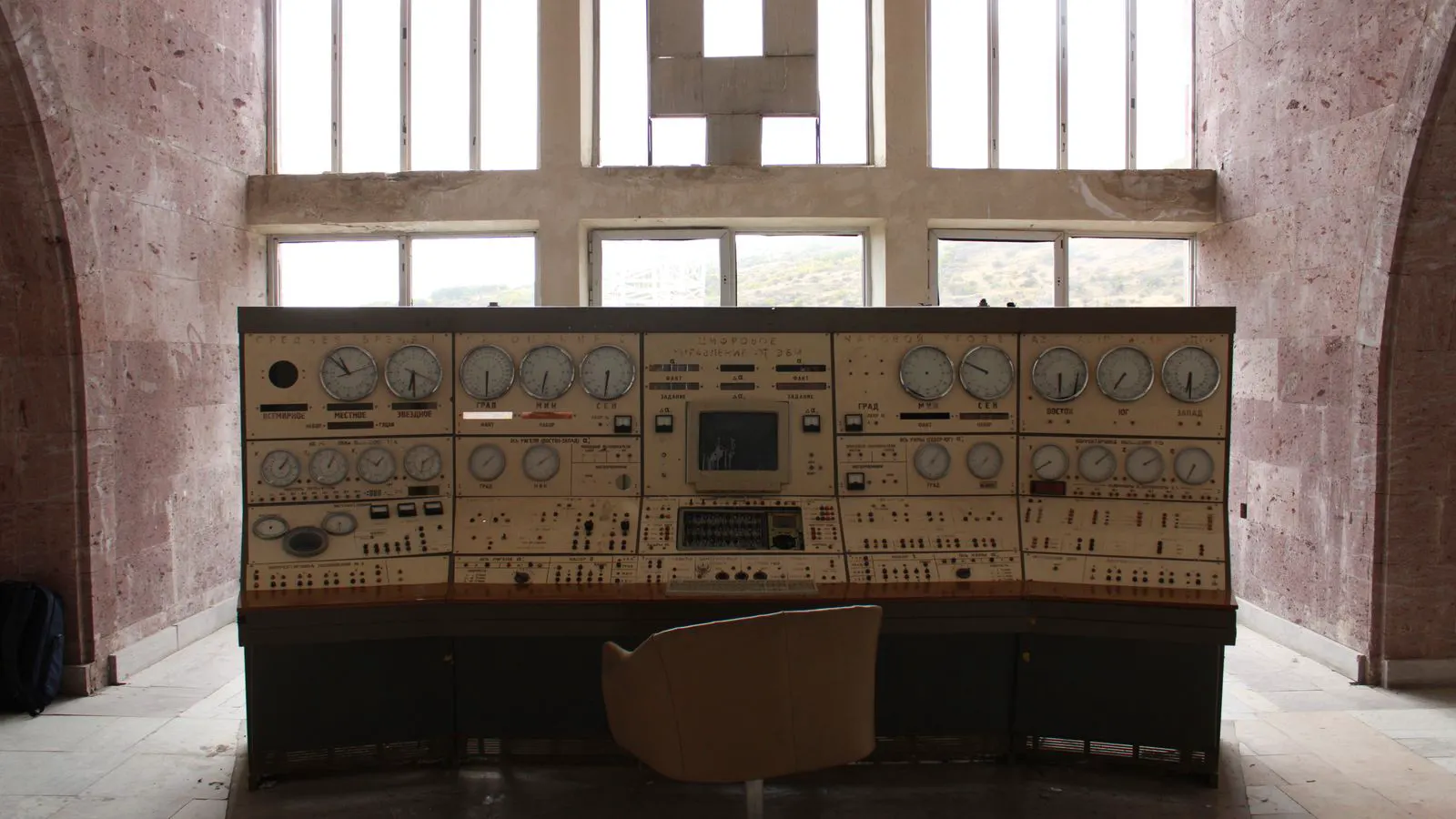
Compressed air systems have traditionally relied on pressure gauges, temperature sensors, and manual logbooks. These tools provide a snapshot but miss the subtle changes that signal wear, leaks, or inefficiency. Digital monitoring changes this model by capturing continuous data streams.
Operators now see pressure fluctuations, motor current, and ambient conditions in real time. This data moves beyond the control room. It feeds into plant management systems, maintenance software, and cloud platforms. The result is a shift from reactive fixes to proactive management.
This change affects every part of the asset lifecycle. It changes how engineers size systems, how facilities managers track energy use, and how procurement teams evaluate vendor support. The following sections outline the shifts buyers should plan for.
How Predictive Analytics Changes Maintenance Planning
Predictive analytics uses historical and real-time data to forecast equipment failure. Instead of waiting for a bearing to seize or a seal to crack, maintenance teams can schedule interventions before downtime occurs.
This shift changes the maintenance budget. Planned work replaces emergency repair costs. It also improves safety by reducing unexpected failures. For screw compressors, monitoring motor current and vibration patterns helps identify imbalance or misalignment early.
Buyers should expect vendors to offer software subscriptions alongside hardware. These services provide access to analytics dashboards and automated alerts. The cost model is no longer just the purchase price of the compressor. It includes the cost of data access and platform support.
When evaluating a new system, ask how the data is stored. Who owns the data? What happens to the records if the vendor relationship ends? These questions are as important as the technical specifications on the datasheet.
Air Quality Monitoring Becomes a Core Requirement
Air quality monitoring is moving from a niche concern to a standard feature. Many industrial processes require specific cleanliness, oil-free, or dry conditions. A single drop of oil or a spike in moisture can ruin a product batch or damage sensitive equipment.
Digital sensors can track these parameters continuously. They send alerts when quality drifts outside acceptable limits. This is different from periodic lab testing, which only samples the air at specific intervals. Real-time monitoring catches problems as they happen.
For facilities with multiple processes, centralized monitoring provides a clear view of air quality across the plant. It helps isolate issues in specific zones. It also creates a record for quality audits.
Buyers should verify that the monitoring system can distinguish between compressor output and system contamination. A leak in the piping after the compressor can introduce moisture that the unit itself is not producing. The data must be clear enough to trace the source.
Energy Data Integration and Utility Cost Tracking
Compressed air systems account for a large share of industrial energy use. Digital monitoring integrates compressor data with utility meters and building management systems. This integration allows for precise tracking of energy consumption per unit of air produced.
The data reveals patterns that are invisible to manual checks. It shows when the system runs at low load, when the dryer is cycling inefficiently, or when a leak is drawing excess air. These insights feed directly into energy management programs.
Buyers should look for open APIs or standard data export formats. Closed systems that do not share data with other platforms limit the value of the installation. The goal is to see the full picture, from the compressor to the point of use.
This integration also supports sustainability reporting. Many companies now track Scope 2 emissions and energy intensity. Digital data makes this reporting more accurate and easier to defend.
The Vendor Relationship and Data Ownership
As monitoring becomes standard, the relationship with the compressor vendor changes. Vendors are no longer just suppliers of hardware. They are providers of data services. This shifts the focus from the unit itself to the total cost of ownership over the asset life.
Buyers should clarify data ownership in the contract. The facility should retain the right to export data at any time. This protects the business if it switches vendors or changes its software stack.
Support models are also evolving. Remote diagnostics allow vendor engineers to analyze data without visiting the site. This can reduce response times and travel costs. However, it requires that the monitoring system is stable and that the data is complete.
When comparing bids, include the cost of the monitoring platform and the data service in the total. A cheaper compressor with expensive, proprietary monitoring may cost more over ten years than a higher-priced unit with open, inclusive data access.
Preparation Checklist for Facility Managers
Preparing for digital monitoring requires more than installing sensors. It requires changes in processes, documentation, and staffing. The following table outlines key areas to address before implementation.
| Area | Action Item |
|---|---|
| Data Standards | Define what parameters are monitored and the acceptable thresholds. |
| Integration | Map the data flow to the existing BMS and CMMS. |
| Training | Update operator training to include data interpretation. |
| Documentation | Revise maintenance manuals to include digital logs. |
| Security | Establish access controls for the monitoring platform. |
The first step is to audit the current data sources. Many facilities already have sensors but do not use the data. Integrating these existing points can reduce the cost of a new system.
The second step is to update the operating procedures. Operators need to know how to read the new dashboards and what to do when an alert triggers. This training is often overlooked but makes a significant difference in adoption.
The third step is to review the network infrastructure. Adding more devices to the plant network increases the attack surface for cyber threats. Work with IT to ensure the monitoring system is segmented and secure.
A Practical Roadmap
Implementation should be phased. Start with a pilot on one critical compressor or one process area. This allows the team to learn the system and identify gaps before rolling it out plant-wide.
During the pilot, focus on data quality. Bad data leads to bad decisions. Verify that the sensors are calibrated and that the communication links are stable. A system that misses data is worse than no system at all.
Once the pilot is successful, expand to other zones. Prioritize areas with high energy use or high sensitivity to air quality. The pilot data should inform the sizing and configuration of the full system.
Throughout the process, document the changes. This documentation becomes the new baseline for operations. It replaces the old manual logbooks with a digital record that is searchable and auditable.
The goal is not just to install technology. The goal is to change how the facility operates. Digital monitoring is a tool, but the real value comes from using the data to make better decisions every day.
Frequently asked questions
What is the primary benefit of digital monitoring for compressed air?
The primary benefit is the ability to detect issues early and track performance in real time. This leads to reduced downtime and better energy management.
Do all compressors now come with digital monitoring?
While basic sensors are common, advanced digital monitoring and analytics platforms are still often optional or add-on services. Buyers should verify what is included in the standard package versus what requires an extra subscription.
How does this differ from a standard PLC control system?
A standard PLC handles the immediate control of the compressor. Digital monitoring captures that data and often integrates it with higher-level systems for analysis, reporting, and long-term trends. The PLC is the nervous system; digital monitoring is the analytical brain.
What are the main risks of implementing a digital monitoring system?
The main risks are data security, integration complexity, and reliance on vendor support. Poorly secured systems can expose the plant network, and closed data platforms can limit future flexibility.
How should I budget for this kind of upgrade?
Budget for the hardware, the software subscription, the integration work, and the training. The total cost of ownership over five to ten years is more accurate than the initial purchase price alone.