Cost and Lead Time: Importing Industrial Air Dryers
Importing an industrial air dryer depends on capacity, pressure rating, and destination. Costs vary by region and shipping method. Lead times span weeks to months. A clear RFQ and fair quote comparison prevent surprises at the dock.
- Total landed cost includes equipment, freight, duties, insurance, and local installation.
- Lead time depends on the supplier's queue, port congestion, and your destination.
- A detailed RFQ with technical specs and Incoterms filters out poor quotes.
- Compare quotes line by line, not just on the sticker price of the dryer.
What Drives the Base Cost of an Air Dryer
The sticker price of an industrial air dryer sets the floor for your budget, but it rarely equals the final invoice. The base cost reflects the capacity in free air per minute, the maximum operating pressure, and the technology used to reach the target dew point. A small desiccant dryer for a workshop costs a fraction of a large refrigerated unit for a plant.
Capacity and pressure are the first variables. A dryer sized for a 100 horsepower compressor will cost significantly more than one sized for a 50 horsepower unit. The frame, the heat exchanger, the desiccant bed, and the control valve all scale with the volume of air the machine must process. If you buy a dryer that is too small for your compressor, it will cycle constantly and wear out early. If it is too large, you pay for unused capacity and a larger footprint.
Technology choice changes the cost structure. Refrigerated dryers use a liquid refrigerant and a compressor to cool the air stream. They are common for general industrial use and usually cost less than desiccant units. Desiccant dryers use a chemical bed to pull moisture from the air. They achieve lower dew points but require regeneration cycles and replacement media. The desiccant bed is a major cost center. If you need a very low dew point for sensitive manufacturing, the desiccant premium is part of the base price.
The destination country affects the base price before a single crate is loaded. Manufacturers price equipment for specific markets. A unit shipped to a region with high tariffs or strict environmental rules may carry a different price tag than one going to a market with open trade. You must confirm if the price includes export packaging, export documentation, and any required type approvals.
How Lead Time Extends Beyond the Factory Gate
Lead time is the gap between the signed purchase order and the date the dryer is ready for your team to install. For many industrial air dryers, this gap can span several weeks or several months. The factory queue is the first bottleneck. Manufacturers build to order for large units. If the factory is backlogged, the unit sits in the production line while smaller jobs get priority.
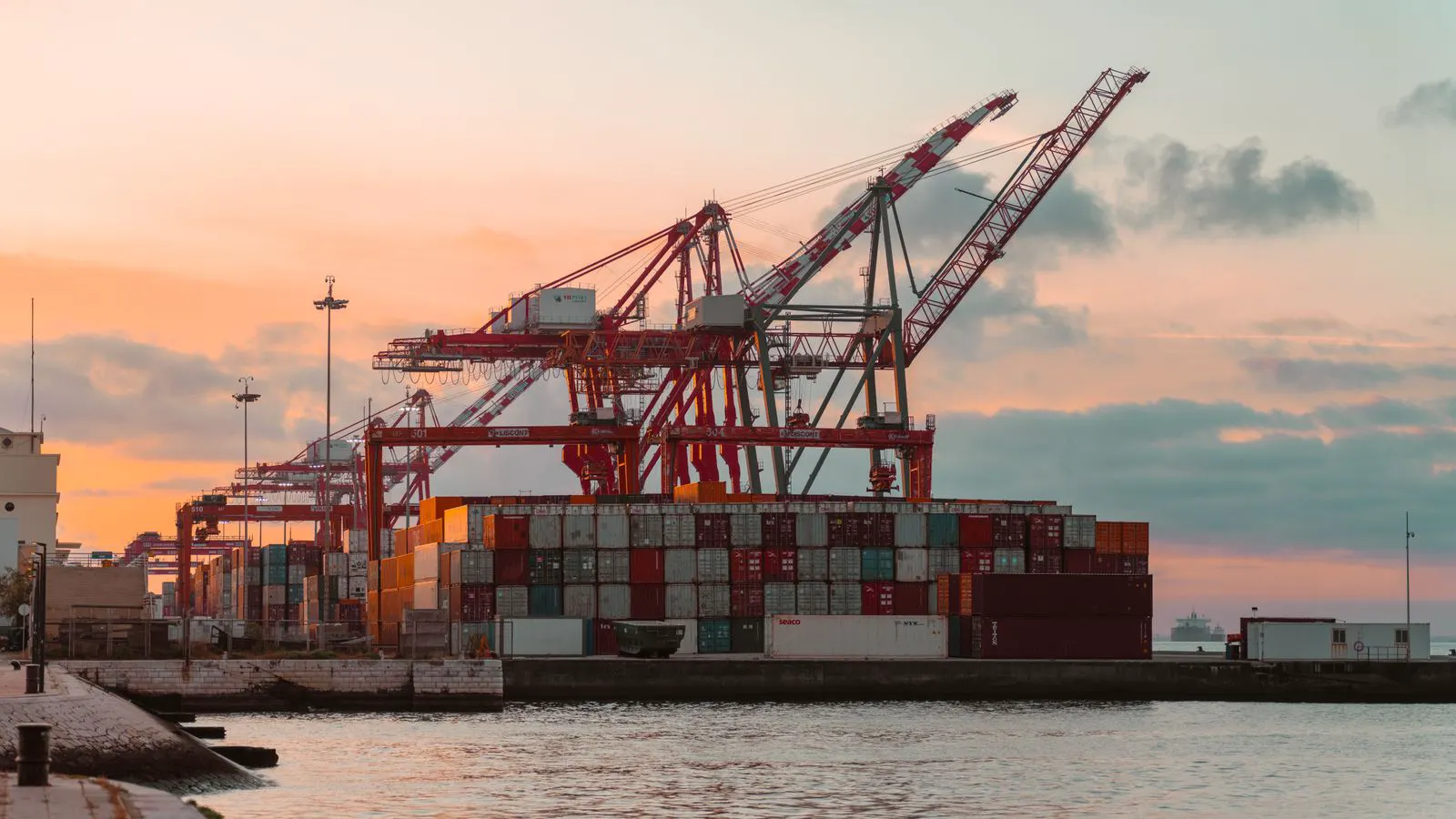
Shipping adds a second layer of delay. Ocean freight is slow but cheap. A container might take several weeks to cross an ocean. Air freight is fast but expensive, and dryers are heavy. The cost of air freight for a large desiccant unit can be prohibitive. You must compare the cost of waiting against the cost of stopping production.
Customs clearance is the third layer. Even with a clean bill of lading, the dryer can sit at the port. The paperwork must match the equipment exactly. The serial number on the packing list must match the nameplate on the dryer. The power rating must match the electrical permit. A mismatch can hold the container for days while the broker files amended documents.
How to Write a Clear RFQ to Get Accurate Quotes
A vague request for a “large air dryer” invites vague and often inflated quotes. A clear RFQ forces the supplier to confirm the technical fit before pricing. Start with the compressor details. List the horsepower or kW rating, the free air delivery at a specific pressure, and the maximum pressure the system will see.
Specify the target dew point. If you need a standard industrial dew point, say so. If you need a lower dew point for a sensitive process, state the exact number. This determines whether you need a refrigerated or desiccant unit. Include the ambient temperature range. A dryer sized for a hot plant in summer will perform differently than one in a cool plant in winter.
State the electrical requirements. Voltage and phase are non-negotiable. A 230 volt single phase unit will not run on a 460 volt three phase system. Specify the control type. Do you need a simple timer, a manual reset, or a PLC interface? A PLC interface adds cost but gives you data logging and integration with your plant network.
List the Incoterms. Incoterms define who pays for freight, insurance, and customs. A quote for “Ex-works” means you pay for loading and shipping. A quote for “Delivered duty paid” means the seller handles almost everything, but the price is higher. Without this clause, you will argue over costs at the dock.
How to Compare Quotes Fairly
Suppliers often present a single number on the top line. That number is a trap. The top line hides the fine print. You must compare line by line.
- Equipment price: Does it include the main dryer, the filter, the valve, and the control panel?
- Shipping: Is it FOB, CIF, or DDP? Who pays for the container?
- Insurance: Is the value covered for the full route?
- Duties and taxes: Are these estimated or excluded?
- Installation: Does the seller send a technician or do you hire a local contractor?
- Spare parts: Are the first year’s filters and desiccant included?
If one quote is cheaper but excludes the control valve, it is not cheaper. It is just incomplete. A fair comparison requires the same scope on every sheet. If you cannot get the same scope, you cannot compare the prices.
Cost Drivers in Importing Air Dryers
The table below lists the main cost drivers. Each driver can shift the total landed cost by a significant amount.
| Cost Driver | Description |
|---|---|
| Capacity and Pressure | Larger free air delivery and higher pressure increase the base price. |
| Technology Type | Desiccant dryers cost more than refrigerated dryers for the same capacity. |
| Shipping Method | Ocean freight is slow and cheap. Air freight is fast and expensive. |
| Duty and Tax Rates | Import duties vary by country and equipment type. |
| Installation Labor | Local labor rates vary widely by region and skill level. |
| Spare Parts | First year filters and desiccant add to the initial outlay. |
The table shows that the equipment is only one part of the cost. If you ignore the installation labor, you will underbudget. If you ignore the spare parts, the dryer will run dry on filters in the first month.
How Lead Time Impacts Your Production Plan
A delay in the dryer arrival can halt your air supply. If your compressor is running, the air is wet. If your process needs dry air, you must stop. The cost of downtime is usually higher than the cost of the dryer itself.
Plan the lead time into your project schedule. If you need the air treatment system online in three months, you cannot order in month two. You must order in month one. The factory queue, the ocean freight, and the customs clearance all take time. If you miss the window, you will miss the production start.
Consider a partial delivery. Some suppliers can ship the main dryer and the filter separately. This allows you to install the main unit while you wait for the filter. It is not a perfect solution, but it reduces the risk of a single point of failure.
Final Checks Before You Sign the Contract
Before you sign, confirm the warranty terms. The warranty must cover the equipment for a specific period. It must cover the desiccant bed and the control valve. It must specify what happens if the warranty is voided by improper installation.
Confirm the delivery date in writing. The contract must state the expected delivery date. It must state what happens if the delivery is late. A late delivery should trigger a penalty or a credit. Without this clause, the supplier has no incentive to meet the date.
Confirm the payment terms. A typical structure is a deposit upon order and a balance before shipment. Some buyers pay a small balance before final inspection. This protects you from receiving a damaged unit.
The import of an industrial air dryer is a logistics project as much as a technical one. The cost is driven by capacity, technology, and destination. The lead time is driven by the factory, the ocean, and the customs broker. A clear RFQ and a fair quote comparison are the best tools you have to control these variables. Get the numbers on paper before you sign.
Frequently asked questions
What is the typical lead time for an industrial air dryer?
Lead times vary by supplier and shipping method. Ocean freight adds several weeks to the factory queue. Air freight reduces transit time but increases cost.
Can I buy a used air dryer to save money?
Yes, but the risk is high. Used desiccant beds often need replacement. You must inspect the heat exchanger and the control valve.
Do I need to register the dryer with local authorities?
Some countries require electrical or air quality registration. Check local regulations before you ship the unit.
What is the difference between FOB and DDP in air dryer quotes?
FOB means the seller delivers to the port. DDP means the seller delivers to your site with duties paid. The price difference is large.
How do I verify the dew point of the dryer?
Request a test report from the supplier. You can also test the air at your site with a calibrated hygrometer after installation.