Troubleshooting: Low Dewpoint in Refrigerated Dryers
Low dewpoint in refrigerated dryers usually signals coil icing, refrigerant issues, or poor airflow. This guide lists common symptoms and diagnostic steps to identify the root cause and restore proper moisture control.
- Check the refrigerant charge and coil condition before assuming the compressor is faulty.
- Verify that the intake air temperature is not too low to cause coil icing.
- Ensure the aftercooler is functioning correctly to reduce the dryer load.
- Replace the desiccant filter if it is saturated or bypassed.
- Monitor the discharge temperature to confirm the unit is reaching its design operating point.
Understanding the Dewpoint Problem
A refrigerated dryer is a workhorse component in industrial air treatment. It cools the compressed stream to condense moisture and then separates the liquid. When the unit fails to hold the target dewpoint, the downstream air contains too much water. This leads to rust, product contamination, and pressure drops in the piping. Engineers often face this issue during winter months or after a compressor failure, but the root cause is rarely simple.
The unit may be operating correctly but receiving air that is too hot or wet. Alternatively, the refrigeration cycle may be failing. Identifying the specific fault requires a methodical approach. The following sections break down the diagnostic process, moving from simple external checks to internal refrigeration analysis.
Initial Checks Before Opening the Cabinet
Before reaching for a manifold gauge, inspect the physical setup. The dryer is only as good as the air it receives. If the aftercooler is bypassed or clogged, the dryer will work harder than it should. A hot intake stream can push the load beyond the unit’s capacity, preventing the coil from reaching the necessary low temperature.
Check the aftercooler discharge temperature. If the air entering the dryer is significantly hotter than the compressor discharge, the aftercooler is not performing. Clean the fins and verify airflow. Also, inspect the intake filter. A dirty intake restricts airflow, causing the dryer to work against a pressure drop that it cannot handle.
Look at the coil visually if accessible. Icing is the most common reason for dewpoint failure. If you see white frost covering the evaporator coil, the unit is working against a freeze-up condition. This is a critical symptom that requires immediate shutdown to prevent damage to the refrigerant circuit.
Diagnostic Table: Symptoms and Fixes
The table below summarizes the most common failure modes. Use it to narrow down the fault before performing invasive tests.
| Symptom | Likely cause | What to do |
|---|---|---|
| Coil icing over | Intake air too cold or refrigerant charge low | Insulate intake pipe. Check refrigerant level. Verify compressor discharge temperature is above 32F (0C). |
| High discharge temperature | Dirty condenser coil or low airflow | Clean condenser fins. Check fan operation. Ensure adequate clearance around the unit. |
| Water in drain bucket | Drain valve clogged or defective | Manually open the drain valve. Replace the float switch if it fails to open. Check for freeze-up in cold climates. |
| Dewpoint not dropping after cleaning | Saturated desiccant filter or failed reactivation cycle | Replace the desiccant filter. Check the reactivation timer and valve operation. |
| High head pressure | Condenser blocked or ambient temperature too high | Clean condenser. Check fan. Ensure the unit is in a shaded or ventilated area. |
| Low superheat | Refrigerant overcharge or faulty expansion valve | Check superheat at the evaporator. Adjust or replace the expansion device if stuck. |
Refrigerant System Analysis
If external checks do not resolve the issue, the problem lies within the refrigeration circuit. The evaporator coil must get cold enough to condense the moisture. This requires a proper refrigerant charge and a functioning expansion device.
Measure the superheat at the evaporator outlet. Superheat is the temperature difference between the refrigerant boiling point at the evaporator pressure and the actual temperature of the refrigerant leaving the coil. A healthy system typically shows a superheat of 10 to 15 degrees Fahrenheit. If the superheat is near zero, the refrigerant is not fully vaporizing, which can lead to liquid slugging in the compressor. If the superheat is very high, the charge is likely low.
Check the refrigerant pressure. Compare the high and low side pressures against the manufacturer’s charts for the current ambient temperature. A low low-side pressure usually indicates a leak or low charge. A high high-side pressure points to a restricted condenser or overcharge. Do not guess the refrigerant type. Use the nameplate or documentation to confirm the fluid.
The expansion valve is another common failure point. A stuck valve can cause excessive flow to the evaporator, leading to icing, or it can starve the coil, preventing it from getting cold enough. Listen for the hiss of refrigerant and feel the line temperatures. A temperature difference between the inlet and outlet of the valve indicates flow. If the valve is stuck closed, the evaporator will not cool.
Airflow and Pressure Drops
Airflow is the second pillar of dryer performance. The refrigeration cycle cools the air, but if the air moves too slowly through the unit, the heat load is not removed efficiently. Conversely, if the air moves too fast, the moisture does not have enough contact time to condense.
Check the pressure drop across the dryer. Most units have a nameplate rating for maximum allowable pressure drop at a specific flow rate. Measure the pressure at the inlet and outlet while the unit is running. A drop higher than the rating suggests a restriction. This could be a clogged filter, a collapsed flexible pipe, or a partially closed valve.
Inspect the intake and discharge piping. Long runs of small diameter pipe increase friction loss. This loss reduces the pressure available to push air through the dryer. It also means the compressor has to work harder to maintain system pressure, which can raise the discharge temperature and increase the moisture load.
Verify that the dryer is sized correctly for the system. If a new compressor was installed or a line was added, the dryer may be undersized. An undersized unit will struggle to reach the target dewpoint, especially during peak demand. Check the duty cycle and the actual flow rate against the dryer’s nameplate.
Filter and Drain Maintenance
The desiccant filter and drain valve are mechanical components that degrade over time. Even if the refrigeration system is healthy, a failed filter or drain can ruin the dewpoint.
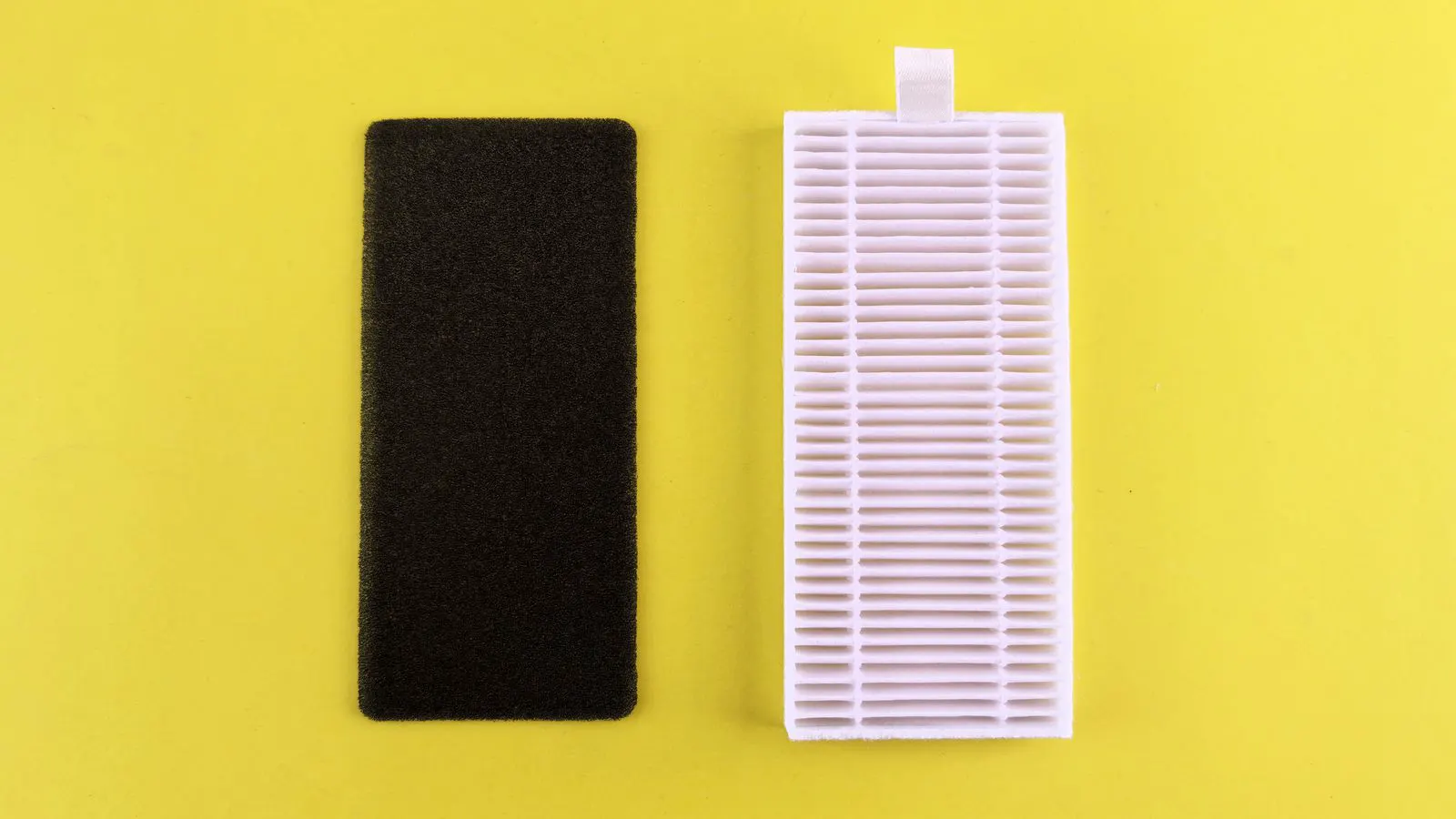
The desiccant filter traps moisture and particulates. Over time, the desiccant material saturates and loses its ability to hold water. If the filter is saturated, the dryer is effectively bypassed. The air passes through without being dried. Replace the filter according to the maintenance schedule. If the system is in a high humidity environment, check it more frequently.
The drain valve is equally critical. If the valve sticks closed, water collects in the tank and is carried downstream. If it sticks open, air escapes, and the pressure drops. Check the valve operation manually. For automatic valves, listen for the solenoid click and watch the float arm. Replace the valve if the float is waterlogged or the solenoid does not energize.
In cold climates, the drain valve can freeze. This is a common winter failure. The water inside the valve freezes and blocks the exit. Insulate the drain line and valve. Use a heat trace cable if necessary. A frozen drain will cause the tank to fill up quickly and can lead to the compressor short cycling.
Prevention and Monitoring
Preventing dewpoint failure is cheaper than fixing it. Implement a routine maintenance schedule that includes checking the filter, cleaning the coils, and verifying the drain valve. These tasks take little time but prevent major failures.
Monitor the unit’s performance. Keep a log of the discharge temperature and the pressure drop. A gradual increase in the pressure drop or a rise in the discharge temperature is an early warning sign of a problem. Use the data to predict when the filter needs replacement or the coils need cleaning.
Consider installing a dewpoint monitor at the point of use. This gives you real-time data on the air quality. If the dewpoint starts to drift, you can investigate the dryer before it fails completely. This proactive approach helps you catch minor issues before they become major downtime events.
Finally, ensure that the dryer is installed in a suitable environment. Keep it away from direct sunlight and extreme temperatures. Provide adequate ventilation around the condenser. A hot, dusty environment will shorten the life of the unit and increase the frequency of maintenance tasks.
When to Call a Technician
Some issues require specialized tools and training. If you suspect a refrigerant leak, do not attempt to seal it yourself. Use a leak detector and have the system evacuated and charged by a certified technician. Refrigerant handling is regulated, and improper recovery can cause environmental and safety problems.
If the compressor is making unusual noises or the pressure is fluctuating, shut down the unit. A failed compressor can cause a cascade of problems, including damage to the expansion valve and the evaporator coil. Do not restart the unit until the fault is identified.
Keep the documentation handy. The user manual, wiring diagrams, and refrigerant specifications are essential for diagnosis. If the documentation is missing, contact the manufacturer’s support line. They can provide the specific part numbers and recommended service intervals for your model.
Frequently asked questions
Why is my dryer icing over?
Icing usually happens when the evaporator coil gets too cold. This can be caused by low refrigerant, a stuck expansion valve, or intake air that is too cold.
How do I know if the refrigerant charge is low?
A low charge often results in low superheat and low low-side pressure. The unit may also struggle to reach the target dewpoint, and you may see frost on the evaporator.
Can a dirty filter cause low dewpoint?
Yes. A clogged filter increases the pressure drop across the dryer. This reduces the airflow and the heat transfer efficiency, preventing the unit from drying the air properly.
What is the best way to prevent drain valve failure?
Insulate the drain line in cold climates and check the valve operation regularly. Replace the valve if the float is waterlogged or the solenoid fails.
Should I replace the desiccant filter even if the dewpoint is okay?
Yes. The filter also traps particulates that can damage the compressor. Follow the maintenance schedule to protect the entire air treatment system.