Comparison: Air Receiver Tanks vs Inert Gas Blowers for Load Smoothing
Plant engineers must weigh the storage capacity of receiver tanks against the pressure stability of inert gas blowers. Tanks handle peak demand bursts with lower upfront cost. Blowers manage rapid load shifts with higher efficiency but require specialized infrastructure and maintenance. The right choice depends on your specific pressure profile and demand variability.
- Receiver tanks reduce pressure drop during demand spikes but require larger installation space
- Inert gas blowers maintain stable pressure across rapid load changes without storing large air volumes
- Initial capital costs favor receiver tanks, while long-term energy savings often favor inert gas blowers
- Your load profile determines which method provides better return on investment
- Combining both systems can optimize performance for plants with mixed demand patterns
How variable air demand creates energy waste
Compressed air systems waste energy when they respond poorly to fluctuating demand. A plant processing multiple product lines with different pressure requirements forces the compressor to adjust its output constantly. Fixed-speed compressors handle this by cycling on and off. This on/off action creates pressure surges that strain the system. The motor draws peak current every time it starts. The pressure gauge bounces between high and low limits. The air receiver fills up, the compressor shuts off, and pressure drops until the next start.
Variable speed drives handle this better by matching compressor output to demand in real time. However, even they struggle with rapid changes in demand. When load shifts happen faster than the drive can react, pressure instability remains. The drive may oscillate, hunting for a stable operating point. This hunting wastes energy and accelerates wear on mechanical components.
Load smoothing is the practice of managing these pressure variations efficiently. Two main approaches exist: storing excess air in receiver tanks or using inert gas blowers to stabilize pressure. Both methods serve the same purpose but work through different physical principles. One relies on volume and pressure storage. The other relies on controlled injection of a different gas to maintain system integrity during sudden load shifts.
Understanding the two approaches
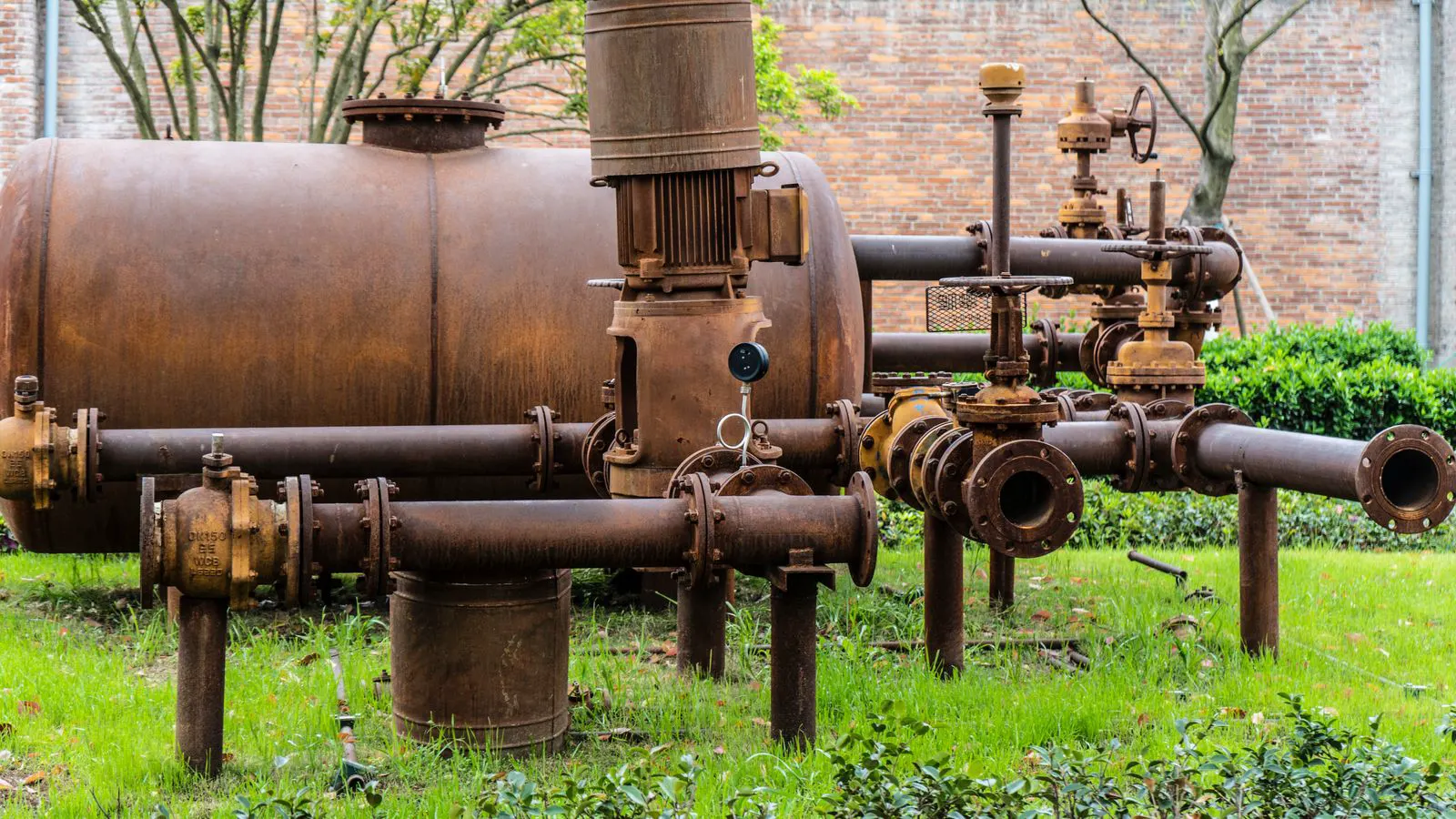
Receiver tanks function as pressure buffers. They store compressed air during periods of low demand and release it when demand spikes. The tank pressure remains relatively stable because the compressor runs at a constant speed while the tank absorbs or supplies the difference. Imagine a reservoir behind a dam. Water flows in when inflow exceeds demand. Water flows out when demand exceeds inflow. The level fluctuates, but the water level at the intake remains steady. The receiver tank works the same way for compressed air. It absorbs the compressor’s output and releases it to the plant.
The size of the tank matters. A small tank fills and empties quickly. Pressure swings are large. A large tank absorbs more air before its pressure changes significantly. This provides a longer buffer. The tank must be sized correctly for the specific application. Too small, and the compressor cycles too often. Too large, and you pay for storage you rarely use.
Inert gas blowers use pressurized inert gas, typically nitrogen, to cushion pressure drops. When air demand suddenly increases, the blower injects inert gas into the system to maintain pressure without requiring the compressor to work harder. The compressor then slowly replenishes the system as the blower output decreases. This method decouples short-term pressure stability from compressor output. The compressor can maintain a steady, efficient load while the blower handles the instantaneous spike.
The blower usually draws from a high-pressure nitrogen source. It uses valves to meter the gas into the air system. The control system monitors pressure and opens the valve when pressure drops below a set point. The blower is not a compressor. It does not generate air. It transfers stored nitrogen into the system. This transfer is fast and requires less energy than driving a compressor to its peak speed.
Comparison table
| Option | Best for | Limitations |
|---|---|---|
| Receiver tanks | Stable demand with occasional peaks, limited space constraints | Large storage volume required, pressure drop during extended high-demand periods |
| Inert gas blowers | Rapid load changes, tight pressure control requirements, high-efficiency operations | Higher upfront cost, nitrogen consumption, specialized maintenance |
| Hybrid system | Mixed demand patterns, multiple pressure levels | Complex control system, higher maintenance burden |
| VSD compressor only | Moderate demand variation, simple systems | Struggles with very rapid load changes, limited pressure stability |
| Multiple tanks | Long storage duration, stable production lines | Takes up more floor space, higher capital cost |
When receiver tanks make the most sense
Receiver tanks work best when your demand pattern shows predictable peaks with long recovery periods. A plant running a single production line with regular maintenance cycles will benefit from tank storage. The compressor runs continuously at full speed, filling the tank during low-demand periods and supplying it during peaks. This is the most common setup in light manufacturing. The tank sits near the compressor. The compressor runs at a fixed speed. The tank absorbs the difference.
Consider a bottle filling plant. The fillers operate at a steady rate. The compressor runs continuously. The tank holds enough air to cover the time it takes for the compressor to recover after a pause. If the plant shuts down for an hour, the tank empties. The compressor restarts. The system is simple and reliable.
The physical footprint matters here. Larger tanks require more floor space and structural support. If your plant has limited space, a smaller tank may not provide enough buffering capacity. You may need to accept more frequent compressor cycling, which increases wear on the motor and seals. Each start-stop cycle subjects the motor to a high inrush current. The piston rings and valves experience thermal shock. Over time, this leads to valve leakage and piston ring wear.
Tank sizing depends on your average demand and acceptable pressure drop. A general rule is to size the tank to hold enough air for thirty to sixty seconds of operation at peak demand. This prevents the compressor from cycling too frequently while avoiding excessive storage. For example, if peak demand is 100 cubic feet per minute, a tank holding 6,000 cubic feet of air at system pressure provides one minute of buffer. This allows the compressor to catch up without dropping pressure below the minimum operating limit.
When inert gas blowers provide better efficiency
Inert gas blowers shine when your demand changes rapidly and unpredictably. Electronics manufacturing, pharmaceutical processing, and food production often experience sudden load shifts that would stress a traditional tank system. The blower maintains pressure stability without requiring large air storage. This is particularly useful in cleanroom environments where pressure fluctuations must be minimized.
Consider a semiconductor fab. Multiple tools draw air for pneumatic valves and vacuum pumps. Each tool cycles independently. The total demand changes by thousands of cubic feet per minute in a fraction of a second. A receiver tank cannot respond fast enough. The pressure drops before the compressor can react. The inert gas blower injects nitrogen instantly. It maintains the pressure set point. The compressor continues at a steady speed, maintaining efficiency.
The energy advantage comes from keeping the compressor at a more consistent speed. Instead of cycling on and off, the compressor runs at a steady load while the blower handles short-term fluctuations. This reduces motor stress and improves overall efficiency. Compressors are most efficient when they run at a constant, moderate load. Cycling causes them to operate at peak power during starts and at low efficiency during recovery. The blower smooths out these variations.
However, you must consider nitrogen consumption. Every cycle of the blower uses a certain amount of inert gas. If your plant already produces nitrogen on-site, this cost may be minimal. If you purchase nitrogen, the operating cost increases significantly. You need to calculate your total operating cost, not just the electricity savings. The cost of nitrogen per cubic foot is higher than the cost of compressed air per cubic foot. The blower must be sized so that nitrogen usage is minimized while still maintaining pressure stability.
Initial costs versus operating costs
The first year of operation favors receiver tanks. A 500-gallon tank costs a fraction of a nitrogen blower system. Installation is simpler. You connect piping and valves, and the system works immediately. The tank requires no gas supply. It uses no additional electricity beyond the compressor. This simplicity makes it the default choice for many plants.
The operating cost picture changes over time. Inert gas blowers reduce compressor cycling, which lowers electricity consumption per cubic foot of air produced. They also reduce wear on compressor components. Over five to seven years, the lower operating cost and extended equipment life can offset the higher initial investment. The blower adds a cost for nitrogen and maintenance. However, it reduces the number of start-stop cycles for the main compressor. Fewer cycles mean less wear on valves, pistons, and belts. The compressor runs longer without major overhauls.
For a plant with moderate demand variation, the savings may not justify the blower cost. The tank handles the peaks adequately. The energy savings from reducing cycling are small. For a plant with extreme load variability, the energy savings and reduced maintenance can make the case strong. The blower prevents pressure drops that would otherwise cause production stoppages or quality issues.
Space and infrastructure requirements
Receiver tanks need physical space. A 1000-gallon tank stands several feet tall and requires a level, reinforced floor. You must also consider piping layout. Longer pipes create friction losses and pressure drop. Keep the tank close to the point of use when possible. The tank should be located where it is easily accessible for draining and inspection. It should not be placed in a location where it blocks maintenance access to other equipment.
Inert gas blowers require less floor space but need a nitrogen source. If you generate nitrogen on-site, you already have the infrastructure. If not, you need a nitrogen generator or a supply contract. The blower itself is a compact unit that connects to your air system. It typically mounts on a wall or a stand. It requires a power source for its control valves and sensors.
Both approaches require proper controls. A pressure transmitter monitors system pressure and signals the compressor or blower when needed. A programmable controller manages the logic. Without good controls, even the best equipment will perform poorly. The controller must be calibrated regularly. Pressure transmitters drift over time. A misaligned set point can cause the blower to cycle too often or the compressor to run at an inefficient speed.
Maintenance considerations
Receiver tanks have fewer moving parts. The main maintenance items are the tank itself, safety valves, and drain valves. You must drain the tank regularly to remove moisture. Rust inside the tank contaminates the air stream and damages downstream equipment. Moisture forms when air cools below its dew point. The water collects at the bottom of the tank. If not removed, it mixes with oil and creates acidic sludge. This sludge corrodes the tank walls and clogs filters.
Inert gas blowers have more mechanical components. The compressor inside the blower needs oil changes, filter replacements, and periodic inspections. You must also monitor nitrogen levels and adjust the blower settings as demand patterns change. The blower valves can stick if they are not exercised regularly. The control system must be checked to ensure it responds correctly to pressure changes. A faulty sensor can cause the blower to inject too much or too little gas.
A hybrid approach can reduce maintenance burden. A smaller tank handles short-term peaks while a blower manages rapid load changes. This reduces the size of the tank and the frequency of blower cycles. The result is less wear on both systems. The tank is smaller, so it requires less floor space and is cheaper to install. The blower runs less frequently, so it uses less nitrogen and wears out less slowly. This balance often provides the best overall cost and performance.
Making the right choice
Start with your demand data. Log your air pressure over a week or two. Look at the peak demand, the frequency of load changes, and the duration of high-demand periods. This data tells you what kind of smoothing you need. Use a pressure logger or a data acquisition system to capture the pressure profile. Identify the patterns. Are the peaks sharp and frequent, or long and steady? Are the changes gradual or sudden? This information drives the design decision.
If your demand shows long, stable periods with occasional spikes, a receiver tank will likely work well. If your demand changes rapidly and frequently, an inert gas blower may save more energy over time. If your pattern is mixed, consider a hybrid system. The hybrid system uses a tank for general buffering and a blower for rapid response. This combination handles a wider range of demand patterns than either method alone.
Calculate both capital and operating costs. Include electricity, nitrogen, maintenance, and equipment replacement. Run the numbers for five and seven years. The method with the lower total cost over that period is usually the better choice. Do not look only at the purchase price. The operating cost over the equipment’s life is often more significant. A cheaper tank may cost more to run if it causes excessive compressor cycling. A more expensive blower may save money by reducing energy consumption and extending equipment life.
Remember that load smoothing is one part of a larger efficiency strategy. You still need proper inlet filtration, heat recovery, and regular maintenance. The right smoothing method works best when the rest of the system is optimized. Check for leaks. Replace worn gaskets. Ensure the dryer is functioning correctly. A well-maintained system with proper load smoothing will outperform a poorly maintained system with the best smoothing technology.
Frequently asked questions
How do I know if my plant needs inert gas blowers?
Check your demand pattern. If you experience rapid, frequent load changes that cause significant pressure drops, a blower will likely outperform a tank. Long, stable periods with occasional peaks favor tanks.
Can I add a receiver tank to an existing system with a blower?
Yes. A hybrid system often works well. The tank handles short-term peaks while the blower manages rapid changes. This combination reduces stress on both components.
What size receiver tank should I install?
Size the tank based on your peak demand and acceptable pressure drop. A general guideline is enough storage for thirty to sixty seconds of operation at maximum demand. Your specific system will require detailed calculation.
How much nitrogen does an inert gas blower consume?
Consumption depends on blower size and cycle frequency. Larger blowers and more frequent cycles use more nitrogen. You must measure your actual usage to calculate operating costs accurately.
Which method has lower maintenance costs?
Receiver tanks have lower maintenance costs because they have fewer moving parts. Inert gas blowers require regular compressor service, oil changes, and filter replacements. Hybrid systems balance these costs.