Buyers Guide: Sourcing Compressors for Harsh Environments
Harsh environment compressors require specific upgrades to intake filtration, heat rejection, and internal materials. This guide outlines how to evaluate dust and high temperature protection, ensuring reliable air supply in extreme operating conditions.
- Intake filtration and heat rejection are the two highest impact upgrades for dust and heat exposure.
- Verify material selection for seals, rotors, and housings against actual operating temperatures.
- Match lubrication and dryer types to the specific contaminants present in the environment.
- Require detailed maintenance schedules and spare part availability before finalizing a purchase.
- Use site conditions as the primary driver, not generic specifications, when comparing compressor options.
Why Standard Compressors Fail in Extreme Conditions
Standard industrial compressors are designed for controlled indoor environments with stable temperatures and relatively clean intake air. When the operating site introduces dust, high ambient heat, or chemical exposure, the failure points become predictable. Intake filters clog faster, oil degrades, heat rejection efficiency drops, and internal components wear out prematurely.
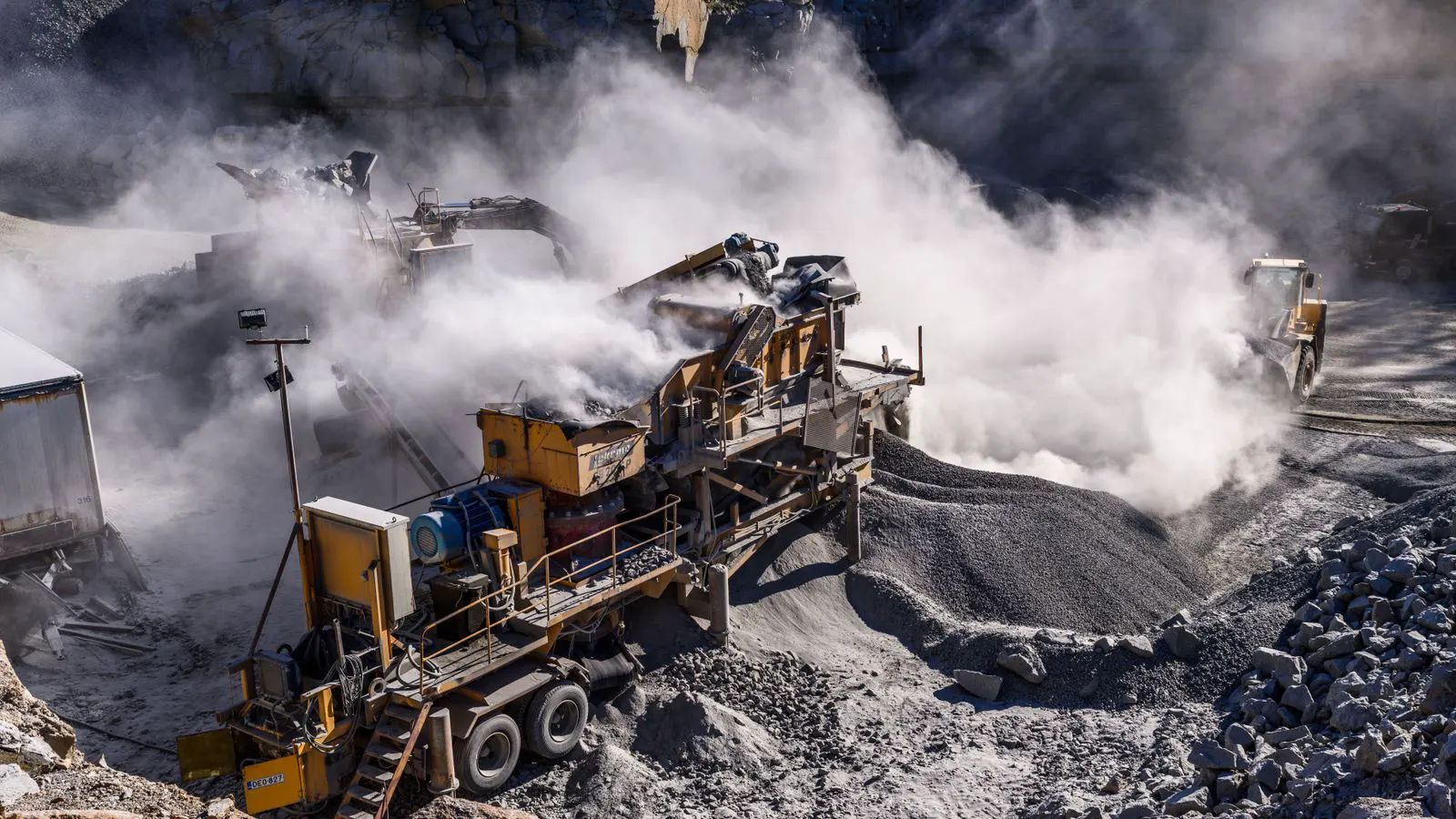
The core issue is that standard design margins do not account for continuous stressors. A compressor that runs well in a climate-controlled warehouse will struggle in an open quarry, a foundry, or a tropical coastal plant. The difference is not in the basic compression principle, but in the support systems that protect the core machinery.
Buyers evaluating harsh environment compressors must shift their focus from basic CFM and PSI ratings to the durability of supporting components. The intake path, cooling system, lubrication circuit, and material selection all require specific attention. This guide breaks down those areas and provides a framework for making defensible purchasing decisions.
Evaluating Intake Filtration for Dust Exposure
Dust is the most common contaminant that damages compressor internals. Particles bypass standard intake filters, mix with oil, and act as abrasives against rotors, valves, and pistons. The intake system must be designed to handle the specific dust load of the site.
For dusty environments, evaluate the following intake components:
- Pre-filtration stage: A coarse filter or cyclone separator installed before the main intake filter. This captures large particles that would otherwise clog the finer media and reduce airflow.
- Main intake filter: A high-efficiency element with a lower pressure drop rating than standard units. The filter must be sized to allow adequate airflow even when partially loaded with dust.
- Filter housing: A sealed, serviceable housing with easy access for element replacement. In dusty sites, filters may need replacement every few weeks rather than every several months.
- Negative pressure management: The compressor must maintain slight negative pressure at the intake to prevent unfiltered air from being drawn in. Check for gasket quality and door seal integrity.
A common mistake is relying on a single stage of filtration. In high dust conditions, a two-stage approach with a pre-filter and main element provides better protection and longer filter life. The pre-filter also protects the main element from sudden saturation, which can cause bypass airflow.
When evaluating vendors, request the filter change interval for the specific dust concentration at the site. If a supplier cannot provide a realistic interval, the filter system may not be appropriate for the application.
Managing Heat Rejection in High Temperature Environments
High ambient temperatures reduce compressor efficiency and increase the risk of thermal shutdown. Air-cooled compressors rely on the temperature difference between the discharge air and the ambient air. When the ambient temperature rises, the temperature difference shrinks, and the cooling system cannot reject heat effectively.
For high temperature applications, evaluate the heat rejection system:
- Cooling fan design: A larger, higher capacity fan improves airflow across the condenser coils. Check the fan horsepower rating and the airflow in CFM.
- Condenser coil size: A larger coil surface area allows more heat to be transferred. In hot climates, a standard coil may be undersized.
- Airflow path: Ensure there is no obstruction to intake and exhaust air flow. Compressors installed in enclosed spaces or near other heat sources may require a dedicated cooling zone or forced air system.
- Discharge air temperature: Request the maximum allowable discharge temperature for the unit. If the site ambient temperature consistently exceeds the cooling design limit, a water-cooled or semi-water-cooled unit may be necessary.
Oil temperature is a key indicator of thermal stress. In high heat environments, oil viscosity drops, and the lubrication film thins. This increases friction and wear. The cooling system must keep oil temperatures within the manufacturer’s recommended range.
For sites where ambient temperatures exceed typical design limits, consider a water-cooled condenser. This type of system transfers heat to a water circuit, independent of air temperature. The trade-off is added complexity, a water treatment requirement, and higher upfront cost. For continuous operation in extreme heat, the water-cooled option often proves more reliable.
Material Selection for Internal Components
The internal components of a compressor are exposed to the combined effects of heat, pressure, and lubricant degradation. In harsh environments, material selection becomes a critical differentiator.
Key areas to evaluate:
- Rotor and piston materials: High heat resistance and wear resistance are required. Alloy steels and special coatings are common in units designed for thermal stress.
- Valve plates and springs: These components experience high cyclic stress. In hot environments, spring fatigue and plate deformation can lead to loss of compression efficiency.
- Seals and gaskets: Standard rubber seals degrade quickly in heat and oil. Fluoropolymer or specialty elastomer seals perform better in high temperature conditions.
- Housing and frame: Corrosion resistance is required if the environment includes moisture, salts, or chemicals. Coatings and material choices vary by application.
A practical check is to request the maximum continuous operating temperature for the unit. This is not the same as the maximum ambient temperature. The unit must be able to maintain internal temperatures within safe limits even when ambient conditions are extreme.
If the site has chemical exposure, evaluate the compatibility of all wetted materials. Oil, coolant, and seal materials must resist the specific chemicals present. A generic “chemical resistant” claim is not sufficient. Request material compatibility data for the specific environment.
Lubrication and Oil Management in Harsh Conditions
Lubrication is the lifeblood of a compressor. In harsh environments, oil degrades faster due to heat, dust, and moisture. The oil circuit must be designed to handle this accelerated degradation.
Evaluate the following:
- Oil filtration: A high-efficiency oil filter is required to remove particulates before they reach the bearings and valves. In dusty applications, the oil filter change interval will be shorter.
- Oil cooler: A dedicated oil cooler helps maintain oil temperature and viscosity. In high heat environments, the oil cooler is essential for preventing thermal breakdown.
- Oil type: The viscosity grade and additive package of the oil must match the operating conditions. Higher viscosity oils provide a thicker film at high temperatures.
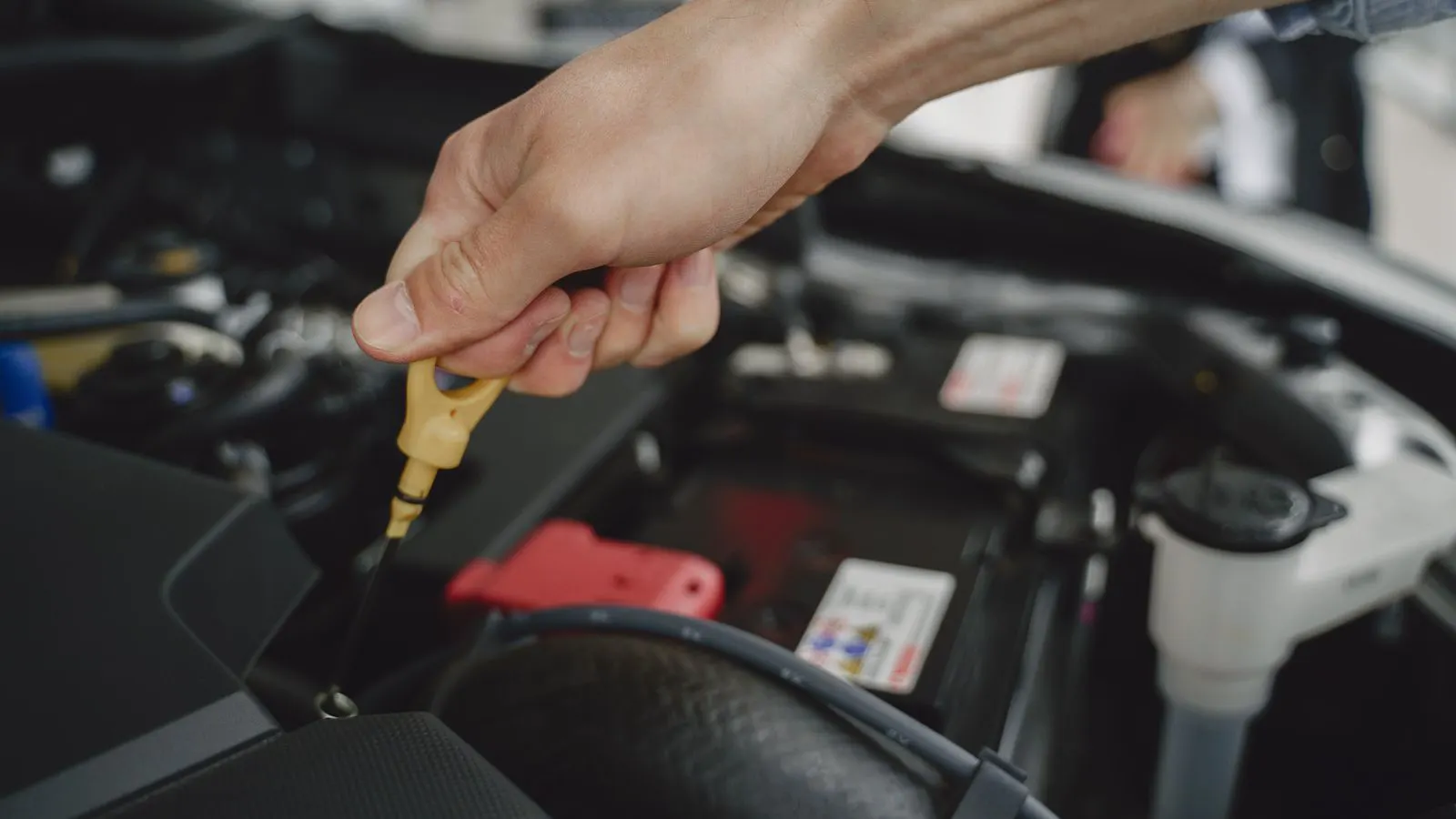
- Oil level monitoring: An automatic oil level sensor prevents low oil operation, which is a leading cause of catastrophic failure.
The oil filtration checklist should be reviewed by the maintenance team. In harsh environments, oil analysis is a standard practice. Regular oil samples can indicate early signs of contamination, oxidation, or wear. This data helps adjust maintenance intervals and catch problems before they cause downtime.
When sourcing harsh environment compressors, ask for the recommended oil specification and the expected oil change interval for the site conditions. If the supplier cannot provide a site-specific interval, the unit may not be designed for the level of stress expected.
Drying and Post-Compression Treatment
Compressed air in harsh environments carries contaminants that affect downstream processes. Dust, heat, and oil mist must be removed before the air is used. The drying and treatment system must match the compressor output.
Evaluate the following:
- Aftercooler: Removes heat from the compressed air before drying. In high heat environments, the aftercooler must be sized to handle the elevated discharge temperature.
- Oil mist separator: Removes oil droplets from the air. In harsh environments, the separator efficiency is critical to prevent oil carryover.
- Drying method: Refrigerated dryers work well for general applications, but in high ambient temperatures, their capacity drops. Membrane dryers and desiccant dryers offer better performance in extreme heat. The choice depends on the required dew point and the site conditions.
- Filtration: A final filter stage removes fine particulates and oil mist. In dusty sites, the filter change interval will be shorter.
The post-compression system is often overlooked in the initial purchase decision. The compressor produces raw, hot, contaminated air. The treatment system converts it into usable, clean, dry air. If the treatment system is undersized, the entire system will fail to meet the application requirements.
When evaluating a complete air supply package, verify that the drying and filtration components are rated for the specific ambient conditions. A standard refrigerated dryer may not reach the required dew point in a 45 degree Celsius environment. A desiccant dryer may be necessary.
Decision Checklist for Harsh Environment Compressors
Before finalizing a purchase, use this checklist to verify that the selected compressor is appropriate for the site conditions.
- Confirm site conditions: Document the maximum ambient temperature, dust concentration, humidity, and chemical exposure. This data is the basis for all design decisions.
- Verify intake filtration: Confirm the pre-filter and main filter specifications. Request the filter change interval for the specific dust load.
- Check heat rejection: Verify the cooling fan size, coil area, and maximum allowable discharge temperature. Determine if a water-cooled option is needed.
- Review material selection: Confirm rotor, valve, and seal materials for high temperature and corrosion resistance. Request material compatibility data.
- Evaluate lubrication: Confirm oil type, oil cooler size, and oil filter specifications. Verify the oil change interval for the site conditions.
- Verify post-compression treatment: Confirm aftercooler, oil separator, and dryer capacity. Ensure the system can meet the required dew point and purity levels.
- Confirm maintenance plan: Request the maintenance schedule, spare part availability, and service support. Verify that local technicians are trained on the unit.
- Review warranty and SLA: Confirm the warranty terms for harsh environment operation. Verify the service level agreement for response time and parts availability.
This checklist ensures that the purchase decision is based on verified suitability rather than generic specifications. Each item addresses a specific failure mode in harsh environments.
Common Mistakes in Sourcing Harsh Environment Compressors
Buyers often make predictable errors when selecting compressors for extreme conditions. Recognizing these mistakes can save significant downtime and replacement cost.
- Ignoring ambient temperature: Selecting an air-cooled unit without verifying the maximum allowable discharge temperature. In hot environments, the unit will thermal shutdown or reduce output.
- Underestimating dust load: Using a standard intake filter in a high dust environment. The filter clogs quickly, causing bypass airflow and internal damage.
- Neglecting oil management: Failing to implement regular oil analysis and shorter oil change intervals. Oil degrades faster in heat and dust, leading to bearing and valve wear.
- Undersizing the dryer: Selecting a refrigerated dryer without accounting for the capacity loss at high ambient temperatures. The dryer cannot reach the required dew point.
- Skipping the site survey: Making a purchase decision without a detailed assessment of the operating environment. The result is a unit that does not match the actual stressors.
Each of these mistakes stems from a failure to treat site conditions as the primary design input. The compressor is not a generic product. It is a system that must be matched to the specific environment where it will operate.
Final Considerations for Long Term Reliability
The goal of sourcing harsh environment compressors is not just to meet the initial specification, but to maintain reliable operation over the life of the unit. This requires attention to maintenance, spare parts, and service support.
Evaluate the long term support structure:
- Spare parts availability: Verify that critical components such as rotors, valves, seals, and filters are available locally or within a reasonable lead time.
- Service network: Confirm that the supplier has trained technicians in the region. Response time for critical failures is a key factor.
- Training: Request training for the maintenance team on the specific unit. This includes filter change procedures, oil analysis, and troubleshooting.
- Monitoring: Consider installing condition monitoring systems that track oil temperature, vibration, and pressure. This data helps predict failures and adjust maintenance.
A compressor that is well matched to the site conditions and supported by a strong service network will operate reliably for years. A mismatched unit, even with a strong warranty, will struggle to perform in harsh environments.
The decision process is straightforward. Identify the site conditions, verify the component upgrades, and confirm the support structure. The result is a compressor that is built for the environment where it will actually work.
Frequently asked questions
What is the most critical upgrade for a compressor in a dusty environment?
A two-stage intake filtration system with a pre-filter and a high-efficiency main element is the most critical upgrade. This prevents large particles from clogging the main filter and reduces abrasive wear on internal components.
How does high ambient temperature affect an air-cooled compressor?
High ambient temperature reduces the temperature difference between the discharge air and the ambient air, which limits the cooling system's ability to reject heat. This raises oil and discharge temperatures, increases wear, and can trigger thermal shutdown.
Is a water-cooled compressor necessary for all high temperature sites?
Not all. It depends on the maximum allowable discharge temperature of the unit and the site ambient temperature. If the air-cooled unit cannot maintain safe internal temperatures, a water-cooled condenser is required.
What is the best way to verify oil health in a harsh environment?
Regular oil analysis is the standard practice. Oil samples reveal levels of particulate contamination, oxidation, and wear. This data allows maintenance teams to adjust oil change intervals and catch degradation early.
Should the dryer be selected before or after the compressor?
The dryer should be selected after the compressor and site conditions are confirmed. The dryer capacity depends on the compressor output and the ambient temperature. A standard refrigerated dryer may be insufficient in high heat environments.