Explainer: How VSD Controllers Reduce Energy Waste
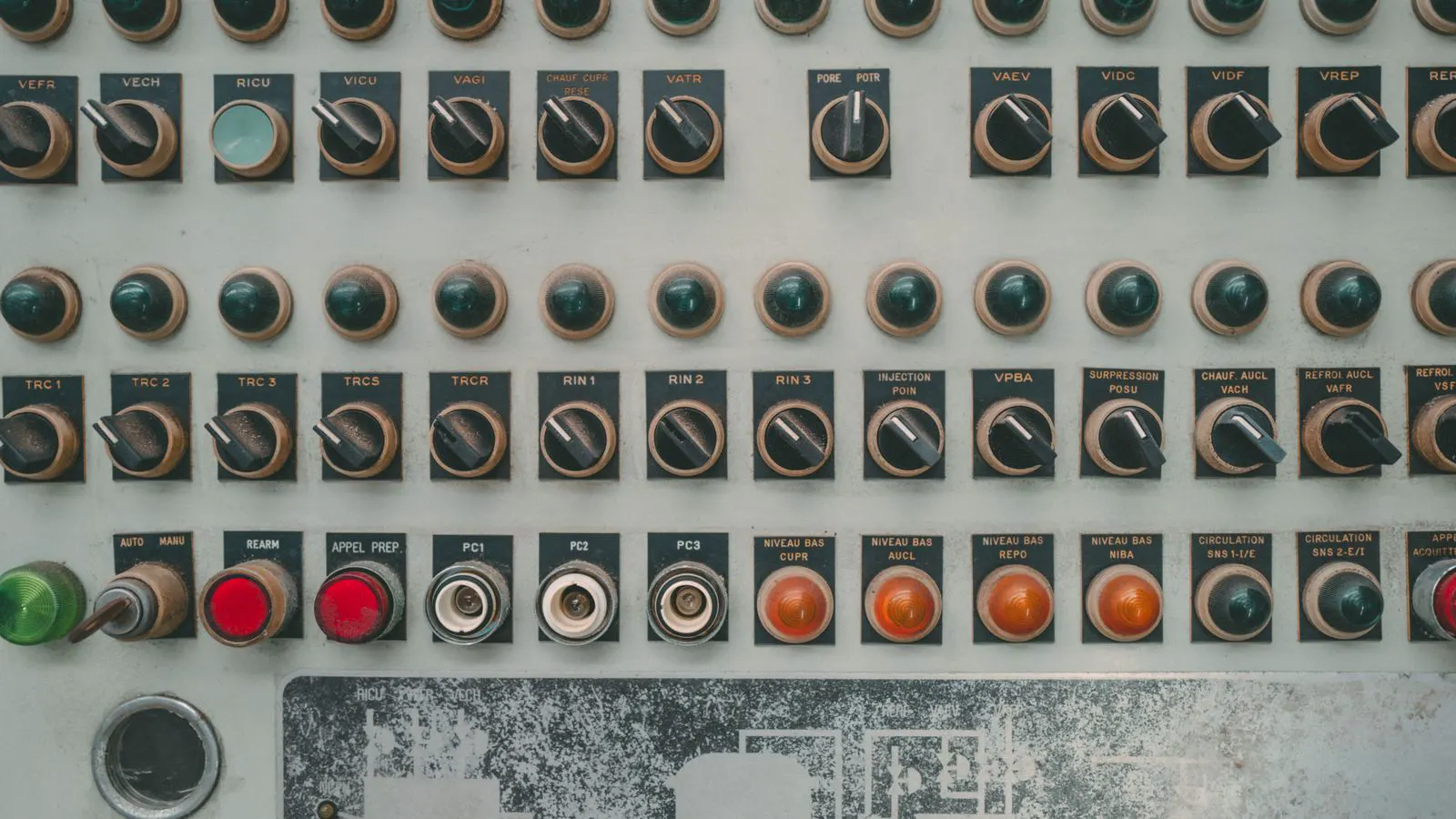
VSD controllers cut energy waste by lowering motor speed to match real-time air demand. They prevent the compressor from cycling on and off at full power, reducing heat buildup and mechanical stress. Understanding this mechanism helps buyers evaluate total operating costs before purchase.
- VSD controllers match motor speed to actual air demand, eliminating the energy loss of running at full power during low-use periods.
- The control loop continuously samples pressure, temperature, and load signals to adjust frequency in real time.
- Sourcing decisions should factor in the compressor's duty cycle, not just its maximum capacity.
- A VSD unit requires periodic inspection of the motor cooling fan and capacitor bank to maintain efficiency.
A standard fixed-speed compressor runs at full capacity whenever it starts. It shuts down only when the receiver tank reaches a set pressure. This on-off cycle causes the motor to draw peak current repeatedly. The energy used to spin up the system, and the heat generated during those cycles, often exceeds the air actually delivered to the process.
Variable speed drive technology changes this dynamic. Instead of switching on and off, the motor adjusts its rotational speed based on the pressure needed by the process. A VSD controller is the electronic system that performs this adjustment. It acts as a bridge between the main power supply and the compressor motor.
What Is a VSD Controller
A VSD controller is an electronic module that regulates the frequency of electrical power sent to an asynchronous motor. Standard industrial motors are designed to run at a fixed frequency, typically 50 or 60 Hertz. This frequency dictates the speed of the rotor. A VSD changes this frequency. Lowering the frequency slows the motor down. Raising it speeds the motor up.
The controller also adjusts the voltage supplied to the motor windings. This prevents the magnetic field in the motor core from saturating at low speeds, which would cause excessive heat and noise. The system uses power electronics, usually IGBTs or MOSFETs, to chop the AC signal into a controlled waveform.
For sourcing decisions, the controller is not a simple accessory. It is a core component of the compressor’s operational profile. A compressor sold with a VSD is fundamentally different from one with a fixed-speed motor. The former is built for variable load. The latter is built for constant load.
How the Control Loop Works
The efficiency gain comes from a closed-loop feedback system. The VSD controller receives continuous data from sensors installed in the system. The most common sensor is a pressure transducer located in the discharge line. This sensor measures the air pressure in real time.
The controller compares this live pressure to a setpoint defined by the operator. If the pressure drops below the setpoint, the controller increases the motor speed to produce more air. If the pressure rises above the setpoint, the controller slows the motor down.
This cycle happens many times per second. The motor speed changes in small, smooth increments rather than abrupt jumps. The compressor produces only the volume of air the process consumes at that moment. If the factory line stops for an hour, the compressor coasts at a very low speed, using a fraction of the power it would use to run at full speed.
Mechanical Benefits of Variable Speed
Running a compressor at full speed for short bursts causes mechanical stress. The flywheel builds up rotational energy. When the motor stops, that energy dissipates as heat in the friction components. The bearings and the motor fan experience high thermal loads.
With a VSD, the flywheel maintains a steady, lower rotational speed. The heat generated by friction is reduced significantly. This allows the compressor to run at a lower operating temperature. Lower temperatures extend the life of the oil and the internal seals.
The drive also reduces the vibration transmitted to the mounting frame. Fixed-speed compressors experience shock loads every time the motor engages. A VSD eliminates this impact. The mechanical parts see a smoother, more consistent load profile. This reduces the frequency of unplanned maintenance for bearing replacement and seal repairs.
Electrical Efficiency Gains
The primary energy saving comes from the relationship between power and speed. For many motors, the power consumption is proportional to the cube of the speed. If a motor runs at 70 percent of its rated speed, it consumes significantly less power than running at 100 percent.
A VSD controller optimizes the power factor as well. Standard motors often draw high current at low loads because they are running at full speed but producing minimal output. The VSD adjusts the phase relationship between voltage and current. This reduces the reactive power drawn from the electrical supply.
This is a critical factor for large facilities. The electrical service plan for a plant may limit the total amperage that can be drawn at any one time. A fixed-speed compressor running at 30 percent load might still draw enough current to trip a breaker or cause voltage drops on the line. A VSD reduces this current draw proportionally to the load, keeping the electrical system stable.
Practical Worked Example
Consider a packaging facility that uses compressed air for a specific process. The process runs during two eight-hour shifts. During those shifts, the air demand is high. Between shifts, the demand drops to near zero.
With a fixed-speed compressor, the unit runs at 100 percent speed during the shifts. It shuts off during the downtime. The next morning, it starts up again from a cold tank. This requires a full power draw to spin up the flywheel and build pressure. The total energy used over a 24-hour cycle includes the high-energy shifts and the startup cost.
With a VSD, the compressor runs continuously. During the active shifts, it operates at high speed. When the line stops, the controller lowers the speed to maintain a minimal pressure in the tank. The motor continues to turn, but it draws very little current. The energy saved during the downtime, plus the elimination of the morning startup cost, results in a lower total energy bill for the day.
Comparison of Operating Profiles
The difference between fixed speed and variable speed is clear when comparing their operational characteristics. The table below outlines the key differences for maintenance and procurement teams.
| Feature | Fixed-Speed Compressor | VSD Compressor |
|---|---|---|
| Load Response | Cycles on and off at full power | Adjusts speed continuously |
| Energy Use | High during low-demand periods | Matches speed to demand |
| Mechanical Stress | High shock loads on startup | Low, steady rotational stress |
| Maintenance Focus | Seal and oil life due to heat | Controller and motor cooling |
| Best Use Case | Constant, high-volume demand | Variable or intermittent demand |
This comparison highlights that the VSD is not just an energy-saving feature. It is a different operating philosophy. It trades a complex control system for a smoother mechanical life.
Maintenance Requirements for VSD Systems
A VSD controller introduces new maintenance tasks. The electronic components generate heat. The internal cooling fan must be inspected regularly. Dust accumulation on the fan or in the heat sink fins can cause the controller to overheat. This leads to intermittent shutdowns or reduced performance.
The motor itself requires attention. Because the VSD allows the motor to run at low speeds, the cooling fan attached to the motor shaft may not move enough air to keep the windings cool. Many VSD compressors use a separate, independent cooling fan powered by the main supply. This fan must be checked to ensure it is not clogged with oil mist or dust.
Periodic calibration of the pressure transducer is also required. If the sensor drifts, the controller will make incorrect speed adjustments. The compressor may run faster than necessary, wasting energy, or slower than necessary, causing the pressure to drop below the setpoint.
Sourcing Considerations
When sourcing a VSD compressor, look at the duty cycle of the facility. If the air demand is constant and high, the savings from a VSD may not justify the higher upfront cost. A fixed-speed unit may be more reliable for that specific application.
However, if the demand varies, the VSD is the standard choice. Check the controller’s interface. It should provide clear data on energy usage and load history. This data helps management track the efficiency gains over time.
Also consider the electrical infrastructure. A VSD requires a stable power supply. Significant voltage fluctuations can damage the power electronics. If the facility has unstable power, a surge protector or an automatic transfer switch may be required. This adds to the installation cost and planning time.
Final Thoughts on Energy Management
The value of a VSD controller lies in its ability to align compressor output with actual demand. It removes the inefficiency of running at full speed when only a fraction of the air is needed. The mechanical and electrical benefits extend beyond the energy bill. They reduce wear on the compressor and stabilize the electrical supply.
For engineers and buyers, the technology is a tool for precision. It requires a different set of maintenance tasks than a fixed-speed unit. By understanding these mechanisms, procurement teams can make informed decisions that match the compressor’s operating profile to the facility’s specific needs.
Frequently asked questions
How does a VSD controller differ from a standard motor starter?
A standard starter simply cuts power to the motor on and off. A VSD controller continuously adjusts the frequency and voltage of the power to change the motor speed smoothly.
Does a VSD controller require more maintenance than a fixed-speed compressor?
Yes, it introduces electronic components that need inspection. The cooling fans, heat sinks, and sensor calibrations require periodic checks that are not needed for fixed-speed units.
Can a VSD be added to an existing fixed-speed compressor?
In many cases, it is possible to retrofit a VSD, but it requires the motor to be rated for variable speed operation. Retrofitting can be complex and may not be cost-effective for older units.
What is the main risk of a VSD controller?
The primary risk is electronic failure due to overheating or power surges. Dust accumulation and unstable power supplies are common causes of controller malfunction.
How do I know if my facility needs a VSD?
Track your air demand over a week. If there are significant periods of low or zero demand, a VSD will provide savings by matching speed to that demand.