Oil-Free Compressor Buyers Guide: Purity and Cost Trade-offs
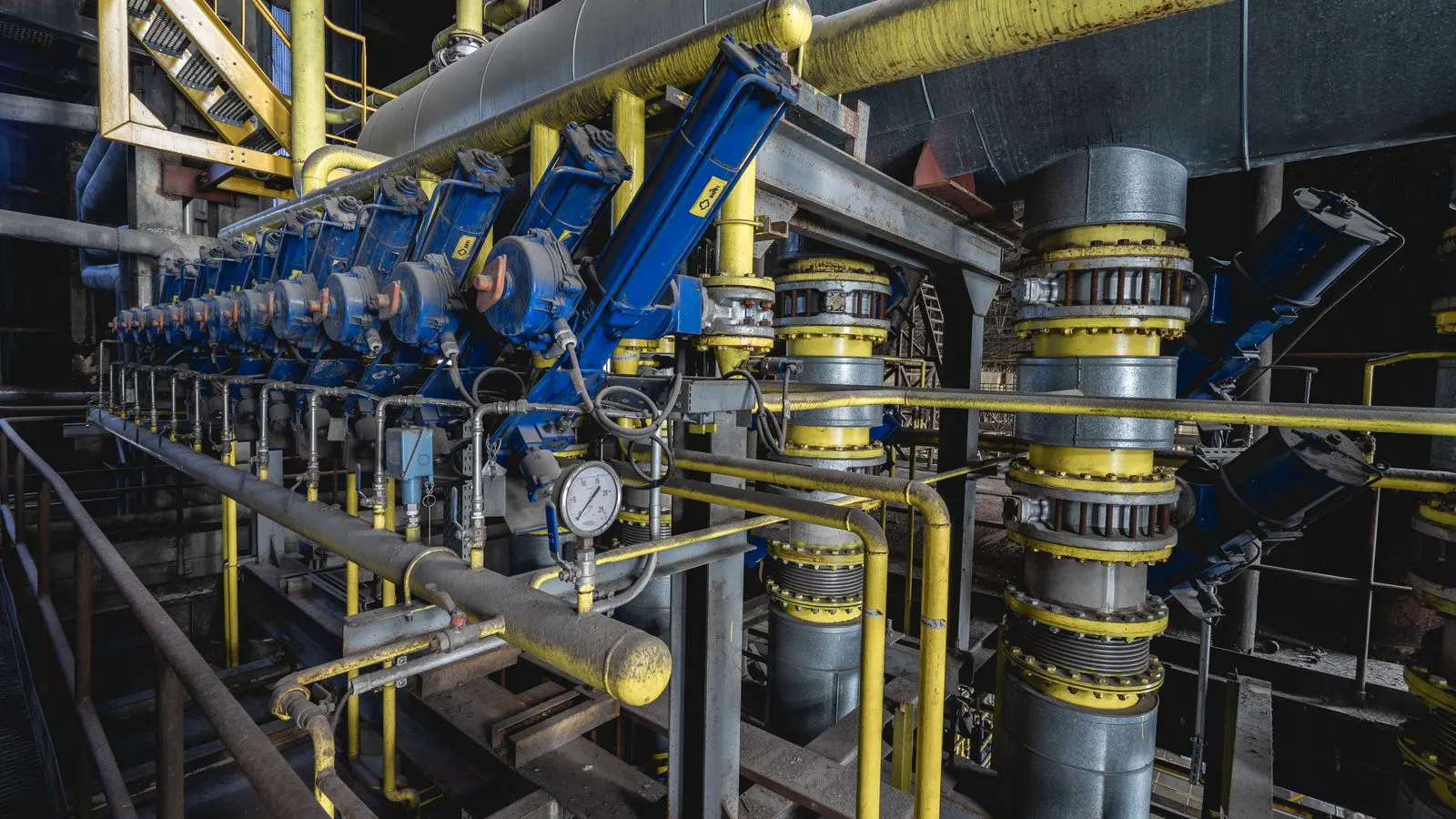
Oil-free screw compressors eliminate oil contamination, reducing maintenance but increasing capital costs. This guide helps buyers evaluate purity requirements against long-term budget constraints to select the right technology for their specific industrial needs.
- Oil-free screw compressors remove oil contamination risks but require higher upfront investment than oil-injected alternatives.
- Purity requirements must be matched to the specific industry standard to avoid overbuying technology.
- Total cost of ownership includes maintenance savings, but must be weighed against the initial premium of oil-free systems.
- Energy efficiency and duty cycle are critical factors in determining the long-term value of an oil-free unit.
- A structured evaluation process helps align budget constraints with technical purity needs for the best procurement decision.
Why Choose Oil-Free Technology?
Many industrial buyers face a fundamental trade-off: the need for absolutely dry, oil-free air versus the desire to keep capital expenditure low. Traditional oil-injected compressors are generally cheaper to buy and easier to service, but they carry the risk of microscopic oil carryover into the compressed air stream. For sensitive manufacturing processes, even trace amounts of oil can ruin a product, clog filters, or cause safety hazards.
Oil-free screw compressors address this by using a mechanical separation method rather than oil lubrication. This eliminates the primary source of contamination. However, this technology is typically more expensive to purchase and install. The decision to choose an oil-free screw compressor is not just a technical one; it is a financial decision that must be justified by the value of the air purity provided.
How Do Purity Requirements Drive the Decision?
Before comparing models, you must define exactly what “pure” means for your application. Different industries have different tolerances for oil content. In general, air for food and beverage processing, pharmaceutical packaging, or medical devices requires a much higher level of cleanliness than air for general pneumatic tools or simple material handling.
If your process can tolerate a small amount of oil, an oil-injected system with a high-quality coalescing filter might suffice and save you money. However, if your application involves direct product contact or high-precision electronics, the risk of oil contamination is unacceptable. You must check your industry standards and internal quality control requirements. The higher the purity requirement, the stronger the business case for an oil-free screw compressor becomes, as the cost of a contamination incident far outweighs the premium of the machine.
Evaluating Total Cost of Ownership
The purchase price of an oil-free unit is often higher than that of an oil-injected equivalent. This is where the concept of total cost of ownership (TCO) becomes critical. TCO looks at all costs over the life of the machine, not just the sticker price.
- Capital Expenditure: Oil-free compressors have a higher initial cost. This includes the machine itself, potential upgrades to the electrical supply, and installation.
- Operating Costs: Oil-free units consume slightly more electricity per unit of air due to the lack of oil lubrication efficiency, though modern designs minimize this gap.
- Maintenance Costs: This is where oil-free technology shines. You eliminate oil changes, oil filters, and oil drain maintenance. You still need to maintain air filters, check for leaks, and service the motor, but the frequency and complexity of maintenance are lower.
- Downtime Risk: Oil-free systems have fewer components that can cause oil-related failures. This can lead to more predictable uptime, which is valuable in continuous production lines.
When calculating TCO, you must project these costs over the expected lifespan of the compressor. If the savings on maintenance and the avoidance of quality failures outweigh the higher purchase price, the oil-free technology is the better financial choice.
Key Technical Criteria for Selection
When comparing specific oil-free screw compressor models, you need to look beyond the basic capacity ratings. The following table outlines the key criteria to evaluate during your selection process.
| Criterion | What to look for | Why it matters |
|---|---|---|
| Capacity (CFM/Bar) | Match the compressor’s output to your peak demand, not average. | Ensures the system does not run constantly at 100% load, which extends motor life and efficiency. |
| Duty Cycle | Check if the unit is rated for continuous (100%) or intermittent duty. | Mismatched duty cycles can lead to overheating or premature failure in 24/7 industrial environments. |
| Energy Efficiency | Look for ISO 8174 or similar efficiency class ratings. | Higher efficiency translates to lower electricity bills over the machine’s lifespan. |
| Filtration System | Evaluate the design of the final air filtration and drying stages. | Even oil-free compressors can have moisture; proper drying is essential for purity. |
| Service Access | Check how easily filters and other parts can be replaced. | Faster service times reduce downtime costs and make maintenance easier for your team. |
| Warranty Terms | Compare standard and extended warranty coverage. | Longer warranties reduce financial risk and can include parts and labor for a set period. |
Balancing Budget Constraints
If your budget is tight, an oil-free screw compressor might seem out of reach. However, there are strategies to manage this. First, consider the size of the machine. Buying a compressor that is too large for your needs inflates the capital cost without providing additional value. Right-sizing the system is the most effective way to control costs.
Second, look at the total cost of the air system, not just the compressor. An oil-free compressor might require different piping or drying equipment. Ensure you are comparing the full cost of the system. Third, consider financing options. In many cases, the higher interest on a loan is offset by the lower operating costs of the oil-free unit over time.
Finally, do not ignore the cost of “hidden” contamination. If you are using an oil-injected compressor and are constantly dealing with quality complaints, rework, or customer returns, you are already paying for oil contamination in a different currency. An oil-free system might be cheaper than the cost of the problems it prevents.
Decision Checklist
Use this checklist to finalize your evaluation of oil-free technology for your specific application.
- Purity Requirement: Have you documented the specific oil-free air requirements for your process?
- Duty Cycle: Is the compressor rated for the expected operating hours per day?
- Budget Analysis: Have you calculated the total cost of ownership, including maintenance and energy?
- Installation: Is the space and electrical infrastructure ready for an oil-free unit?
- Vendor Support: Does the supplier offer adequate training and maintenance support?
- Comparison: Have you compared at least one oil-injected alternative with the oil-free option to validate the trade-off?
If the answer to these questions is yes, you are in a strong position to make a confident procurement decision.
Final Thoughts
Choosing between oil-free and oil-injected compressors is a strategic decision. Oil-free screw compressors offer the highest level of air purity and lower long-term maintenance complexity, but they demand a higher initial investment. By carefully assessing your purity requirements and calculating the total cost of ownership, you can determine if the premium price is justified by the benefits of cleaner air and reduced downtime. This guide provides the framework for making that evaluation, ensuring your choice aligns with both technical needs and financial realities.
Frequently asked questions
Are oil-free screw compressors more efficient than oil-injected ones?
Oil-injected compressors are generally slightly more energy-efficient per unit of air produced because the oil lubrication reduces friction. However, the difference is often small in modern designs and can be offset by the lower maintenance costs of oil-free units.
How often do I need to change filters on an oil-free compressor?
Filter change frequency depends on the operating environment and the hours of use. Typically, intake filters may need changing every 2,000 to 4,000 hours. Always refer to the manufacturer's specific maintenance schedule for your model.
Can I switch from an oil-injected to an oil-free compressor without changing my piping?
Often, you can use existing piping, but it is best practice to inspect the system. Old oil residue in the pipes could potentially migrate if the system is not flushed. Your supplier can advise on whether a system flush is required.
What is the typical lifespan of an oil-free screw compressor?
With proper maintenance, an oil-free screw compressor can have a service life of 20 years or more. The rotor and housing are often designed to last the entire life of the machine, which is a key advantage over oil-injected units where the oil can degrade components over time.
Is an oil-free compressor worth it for a small business?
It depends on the application. If your small business uses air for simple tasks, an oil-injected compressor is likely more cost-effective. However, if you are packaging food or handling sensitive materials, the oil-free option is worth the investment to protect your product quality.