Screw Compressor Troubleshooting: Intermittent Air Supply
Intermittent air supply issues usually stem from pressure fluctuations, load cycling, or component wear. This guide helps engineers diagnose causes and apply targeted fixes to restore stable compressed air production.
- Intermittent air compressor problems often trace back to pressure fluctuations, load cycling, or worn components.
- A structured diagnostic approach—starting with pressure data, then filters, then mechanical parts—speeds up resolution.
- Preventive maintenance reduces unexpected stops by catching wear before it becomes a failure.
- Monitoring system pressure and load patterns helps identify recurring issues early.
- Documenting every fault and fix builds a reliable maintenance history for future reference.
Understanding the Problem
Intermittent air supply issues in screw compressors are among the most common complaints in industrial facilities. A compressor may run normally for hours, then suddenly lose pressure or stop entirely without warning. This behavior is frustrating because it disrupts production schedules and makes root-cause analysis difficult.
Engineers typically encounter these problems when compressed air demand fluctuates sharply or when key components begin to degrade. The good news is that most intermittent failures are predictable and correctable with the right diagnostic steps.
This guide walks through the most likely causes of intermittent air compressor behavior, organizes symptoms into a practical troubleshooting table, and offers prevention strategies that reduce downtime over time.
Common Symptoms of Intermittent Air Supply
Before diving into causes, it helps to recognize the specific symptoms engineers and operators observe in the field. These symptoms often overlap, so careful observation is essential.
Typical signs include:
- Sudden drops in line pressure that recover after a short period
- The compressor cycling on and off more frequently than expected
- Unusual noise patterns that appear only under load
- Inconsistent air flow at downstream equipment
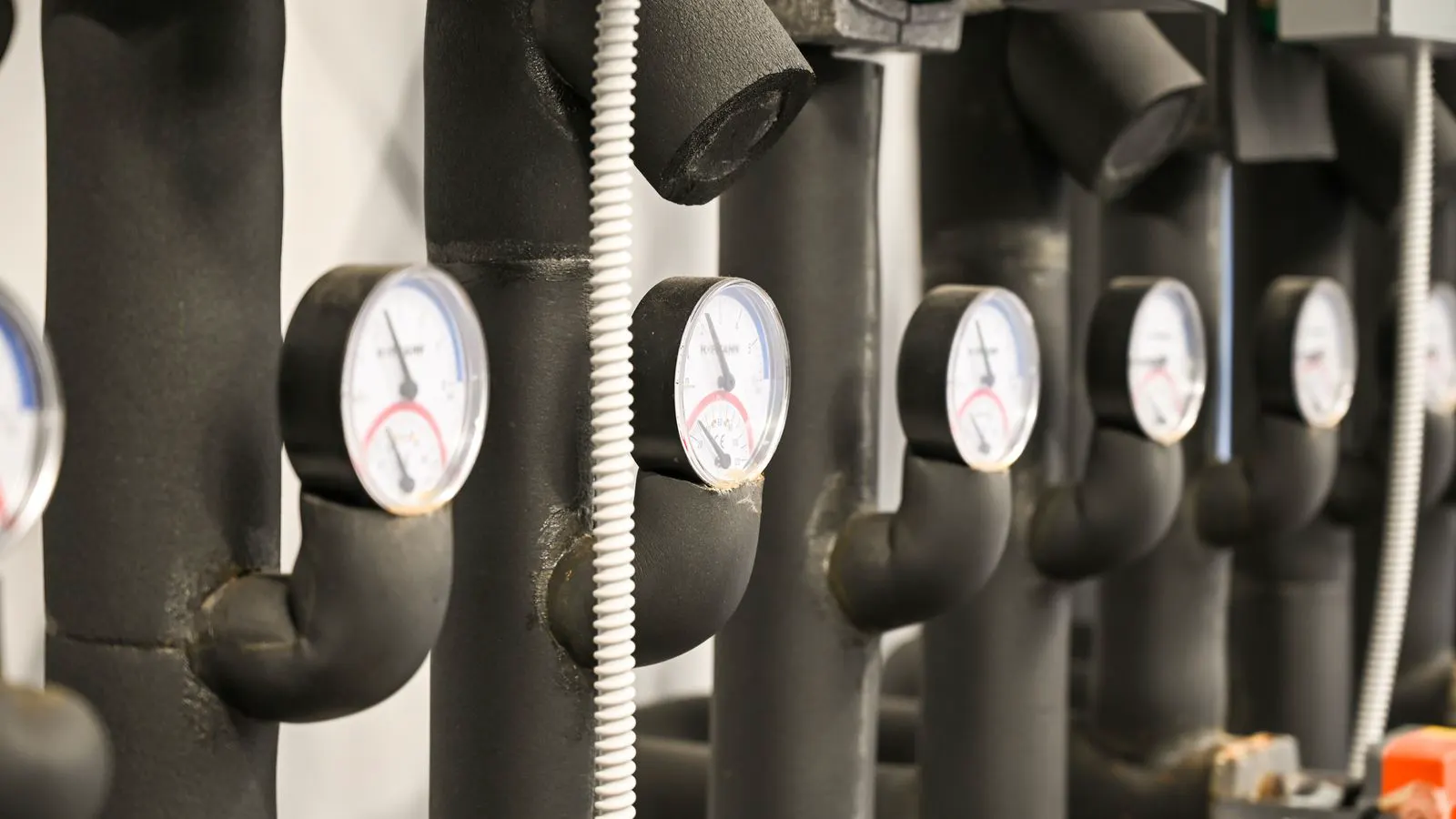
- Pressure gauges showing erratic readings that do not match actual demand
Each of these symptoms points to a different part of the system. The table below maps common symptoms to likely causes and the corrective actions that usually resolve them.
| Symptom | Likely cause | What to do |
|---|---|---|
| Pressure drops briefly, then recovers | Clogged air intake filter or intake valve issue | Inspect and replace the intake filter; check the intake valve for proper operation |
| Compressor cycles on and off frequently | Pressure switch miscalibration or load cycling from variable demand | Recalibrate the pressure switch; evaluate whether demand patterns are causing excessive cycling |
| Intermittent loss of air under heavy load | Worn piston seals or rotor bearings allowing internal leakage | Inspect seals and bearings; replace worn parts and verify oil level |
| Erratic pressure gauge readings | Faulty gauge or damaged pressure sensor | Test the gauge with a known reference; replace the sensor if it fails calibration |
| Sudden stop followed by restart | Thermal overload or electrical contactor failure | Check the thermal protector; inspect the contactor for burn marks or welding; replace if needed |
| Air flow inconsistent at downstream points | Moisture or oil contamination in the receiver tank | Drain the receiver tank; inspect and service the coalescer filter; check for oil carryover |
Pressure Fluctuations and Their Impact
Pressure fluctuations are one of the primary drivers of intermittent air supply problems. When the air demand in a plant changes rapidly, the compressor must respond by ramping up or down. If the system is not sized or tuned correctly, small demand changes can trigger large pressure swings.
These fluctuations stress the compressor in several ways:
- The unloader and control valve work harder, accelerating wear on internal components.
- The pressure switch cycles more often, increasing electrical load and contactor wear.
- The receiver tank experiences repeated pressure changes, which can lead to moisture condensation and corrosion.
- Downstream equipment that expects a steady air supply may malfunction or produce defective parts.
Engineers should start by recording pressure data over a full operating cycle. A simple data logger or a trend display on the controller can reveal whether fluctuations are caused by external demand spikes or internal system issues.
If the pressure curve shows sharp, regular spikes, the problem is likely in the control system or load management. If the curve shows gradual drift or random drops, mechanical wear or contamination is more probable.
Load Cycling and Its Relationship to Intermittent Stops
Load cycling refers to the repeated start-stop pattern that a compressor experiences as it responds to changing air demand. While some cycling is normal, excessive cycling is a red flag.
A compressor that cycles every few minutes rather than every ten to fifteen minutes is working harder than it should. This has several consequences:
- The motor and starter components experience repeated thermal stress.
- Oil temperature spikes with each start, reducing lubricant life.
- The unloader mechanism is engaged and disengaged more frequently, wearing seals and springs.
- The pressure switch contacts fatigue faster, leading to intermittent electrical contact.
To evaluate load cycling, engineers should compare the compressor’s duty cycle against its nameplate rating. If the unit is running above 75% of its rated cycle frequency, it may be undersized for the application or the pressure settings may be too tight.
Adjusting the pressure switch settings to allow a wider differential can reduce cycling. In some cases, adding a larger receiver tank or smoothing out downstream demand with a buffer tank is a more effective solution.
Mechanical and Electrical Faults to Check
When pressure data and load patterns do not explain the intermittent behavior, the next step is to inspect mechanical and electrical components. These are the areas where wear and failure are most likely to cause sudden stops or pressure loss.
Key components to examine:
- Unloader and control valve: Worn seals or a sticking valve can cause the compressor to continue running when it should unload, or to stop when it should continue.
- Pressure switch and start-stop relay: Faulty contacts or a misadjusted switch can cause the compressor to cycle incorrectly.
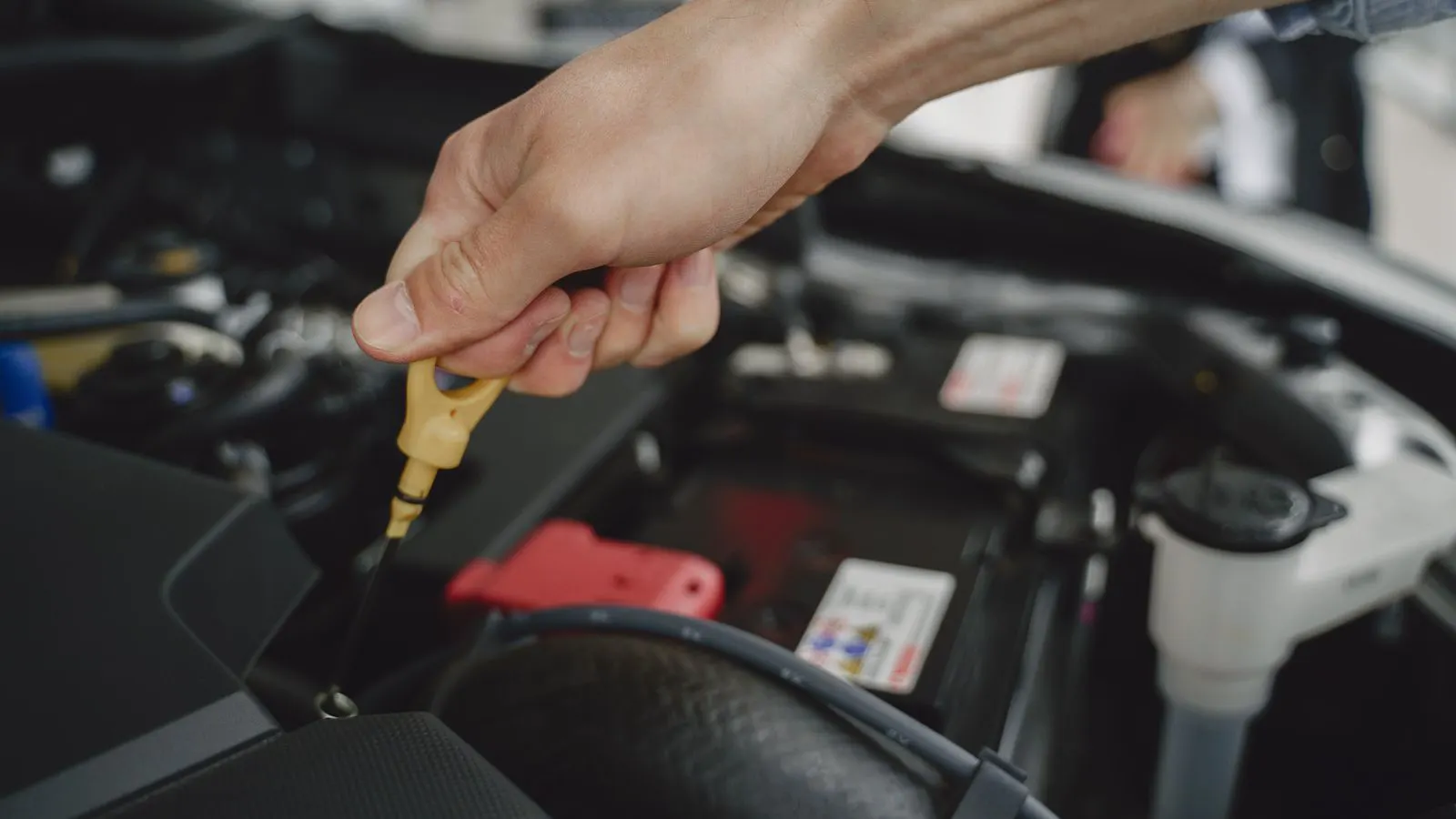
- Oil system: Low oil level, contaminated oil, or a failing oil pump can trigger a thermal or pressure trip.
- Suction line and intake filter: Restriction at the intake reduces the compressor’s ability to maintain pressure.
- Receiver tank and drain valves: A partially blocked drain valve can allow moisture to accumulate, leading to corrosion and valve sticking.
A systematic inspection should start with the simplest items first. Checking oil level, inspecting the intake filter, and verifying pressure switch operation can resolve many intermittent issues before more invasive maintenance is required.
Preventive Maintenance for Stable Operation
Prevention is always more cost-effective than reactive repair. A structured maintenance program reduces the likelihood of intermittent air supply problems and extends the life of key components.
Recommended preventive actions include:
- Change the intake filter on schedule. A clogged filter is one of the simplest causes of pressure loss and should be inspected at least monthly.
- Check and top up oil level weekly. Low oil is a common trigger for thermal trips and mechanical wear.
- Inspect the pressure switch and reset the thermal protector after each stop. This catches early signs of electrical or thermal issues.
- Drain the receiver tank and coalescer filter regularly. Moisture control is essential for preventing corrosion and contamination.
- Review pressure data quarterly. Trending pressure readings helps identify gradual degradation before it becomes a failure.
- Keep a maintenance log. Recording every fault, part replaced, and adjustment made creates a history that helps predict future issues.
For facilities with multiple compressors, a shared maintenance calendar and a centralized monitoring system can improve consistency and reduce the chance that one unit’s intermittent behavior goes unnoticed.
When to Call in a Specialist
Some intermittent air supply problems are beyond the scope of routine maintenance. If the compressor continues to fail after checking filters, oil, pressure settings, and basic electrical components, the issue may involve the rotor assembly, main shaft, or internal valve components.
Signs that a specialist is needed:
- Unusual grinding or knocking noises that persist after oil and filter changes
- Oil carryover into the discharge line or receiver tank
- Repeated thermal trips that are not resolved by cleaning the cooling fins or improving airflow
- Pressure loss that occurs only at specific load levels
In these cases, a qualified technician can perform a borescope inspection, oil analysis, or vibration analysis to pinpoint the exact failure. Early intervention at this stage can prevent a minor wear issue from becoming a major repair.
Final Thoughts
Intermittent air compressor problems are rarely mysterious. Most stem from pressure fluctuations, excessive load cycling, or component wear that follows a predictable pattern. By starting with pressure data, inspecting the simplest components first, and maintaining a disciplined preventive care program, engineers can diagnose and resolve these issues efficiently.
The key is to treat every intermittent event as a data point. Documenting symptoms, recording pressure trends, and keeping a detailed maintenance log turn isolated failures into a clear picture of system health. That picture is what allows teams to move from reactive fixes to proactive management.
Frequently asked questions
What is the most common cause of intermittent air supply in a screw compressor?
Clogged intake filters and pressure switch miscalibration are among the most common causes. Excessive load cycling from variable demand also contributes to frequent start-stop behavior.
How can I tell if the problem is mechanical or electrical?
Mechanical issues often present as unusual noise, oil carryover, or pressure loss under load. Electrical issues tend to show up as irregular cycling, contactor burn marks, or thermal trips without corresponding mechanical symptoms.
Is frequent compressor cycling normal?
Some cycling is normal, but a compressor that cycles every few minutes is likely undersized for the load or has pressure settings that are too tight. This pattern accelerates wear and should be investigated.
How often should I inspect the intake filter?
In dusty or high-contamination environments, inspect the intake filter monthly. In cleaner environments, a quarterly inspection is usually sufficient, but always check it if pressure begins to drop unexpectedly.
Can a larger receiver tank reduce intermittent problems?
Yes. A larger receiver tank smooths out short-term demand spikes, reducing the frequency of compressor cycling. This can extend component life and improve pressure stability.