Cost and Lead Time: Oil-Free Compressor Maintenance Parts
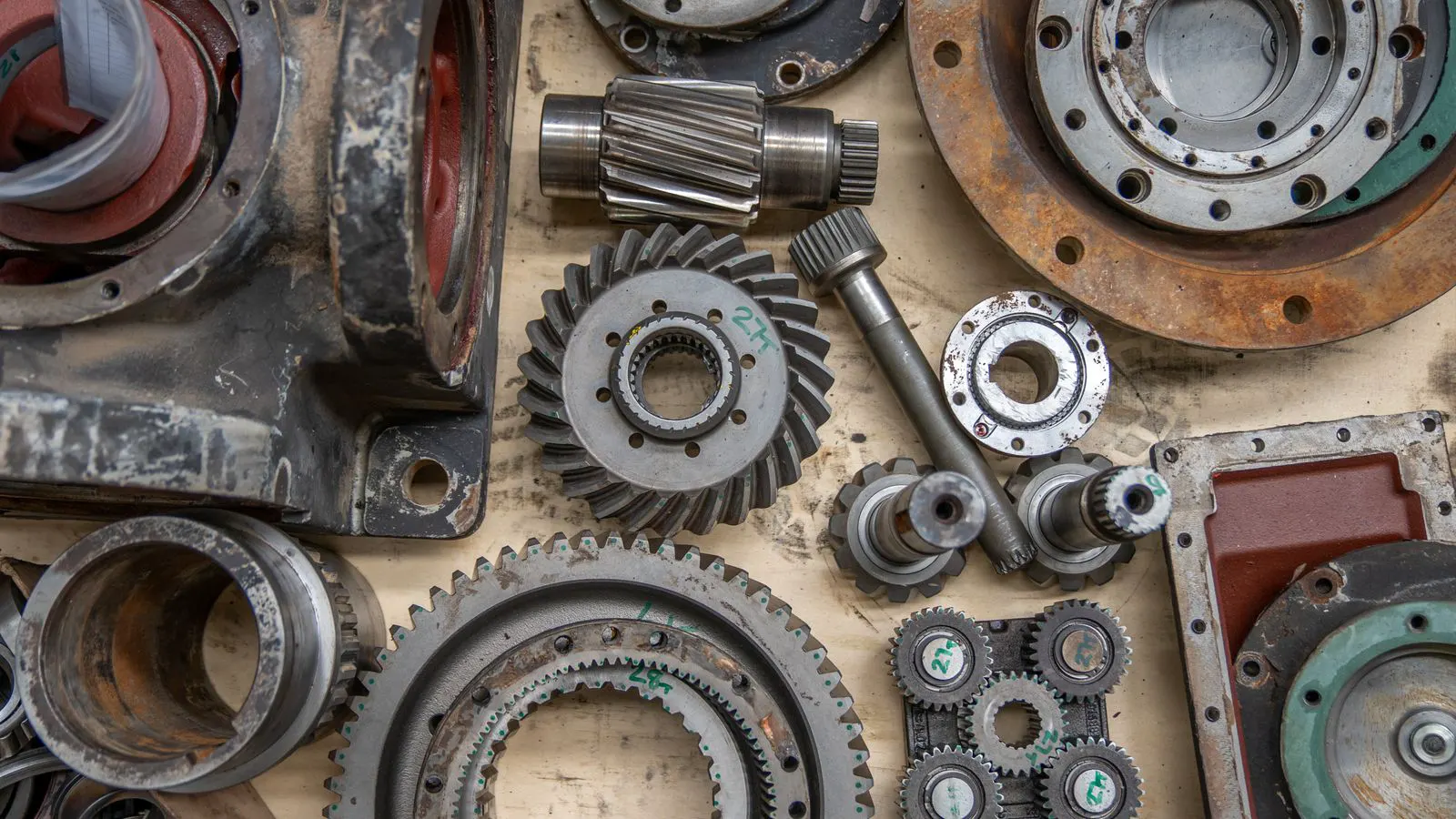
Oil-free compressors maintenance parts costs vary by component type, material, and service level. Lead times depend on global supply chains and regional distributor networks. A structured RFQ and clear spare parts availability strategy minimize downtime and operational expenses for procurement teams.
- Maintenance parts for oil-free compressors include piston rings, valves, and seals with different cost profiles
- Lead times vary significantly based on component type, supplier location, and service agreements
- A clear RFQ with specific part numbers and technical specs improves quote accuracy and speed
- Comparing quotes on total landed cost, not just unit price, reveals true operational expenses
- Establishing a spare parts availability strategy with critical components reduces unplanned downtime
Procurement teams managing industrial air compressors face a recurring challenge. Oil-free compressors reduce maintenance complexity compared to oil-injected units, yet their components still require periodic replacement. The cost and lead time for sourcing these parts directly affect production schedules and operational budgets.
This guide examines what drives pricing and delivery times for oil-free compressor maintenance parts. It covers how to structure an RFQ that yields accurate quotes, how to compare offers fairly, and how to build a spare parts availability strategy that protects uptime.
What Drives the Cost of Maintenance Parts
The price of any replacement component reflects its material, manufacturing process, and function within the compressor. Not all parts carry the same price tag. A set of piston rings costs less than a full valve assembly, which in turn costs less than a complete cylinder head or a specialized air purity seal.
Material selection matters. Aluminum components cost more than cast iron but weigh less and resist corrosion better. Stainless steel seals handle higher purity requirements and longer service intervals. The specification sheet you reference when requesting a part determines whether the supplier quotes a standard item or a custom-manufactured piece.
Manufacturing method adds another layer of cost. Precision-machined parts for oil-free systems require tighter tolerances than oil-injected equivalents. The absence of oil as a lubricant means the metal surfaces must meet stricter standards to prevent wear.
Service level also influences price. Standard delivery quotes cover the part alone. Premium quotes include testing, calibration, or installation support. A quoted part price of $50 becomes $120 when the supplier includes a leak test and a 48-hour delivery guarantee.
Procurement managers should treat the part price as the baseline. The true cost includes freight, import duties, handling, and the opportunity cost of production downtime while the unit waits for the component.
How Lead Time Varies by Component and Region
Delivery time for oil-free compressor maintenance parts depends on three factors. The first is component complexity. Standard items like air filter elements, intake valves, and basic gaskets move quickly through distribution channels. Specialized parts such as multi-stage piston assemblies or high-altitude rated seals take longer to source.
The second factor is supplier location. Components manufactured in the compressor’s home region typically move faster than those shipped from distant continents. A distributor network with regional warehouses shortens delivery time by several days compared with ordering directly from a single overseas factory.
The third factor is demand seasonality. Industrial procurement often clusters around fiscal year-end and pre-holiday periods. Lead times stretch during these windows. Ordering critical spares during the off-season, when factory production capacity is underutilized, can reduce waiting periods.
A single part number can show different lead times across three suppliers. The first supplier stocks the item locally and promises two business days. The second supplier imports it from Asia and quotes ten to fourteen days. The third supplier manufactures it in-house and promises five days with a production slot reserved. Each option carries different risk and cost.
How to Write a Clear RFQ That Gets Accurate Quotes
A vague RFQ produces a vague quote. If you write “need replacement parts for oil-free compressors, quantity 10,” the supplier must guess which model, which component, and which material grade. They will either ask follow-up questions that delay the process or quote a generic item that does not fit your application.
Structure your RFQ around specific technical data. Include the compressor model and serial number if available. List each part by manufacturer part number or OEM designation. If you do not have the part number, describe the component with its function, material, and dimensions. A sentence like “aluminum intake valve plate, 150mm diameter, anodized finish, for single-stage oil-free compressor” gives the supplier enough information to identify the correct item.
State the required quantity and the delivery date. The delivery date signals urgency. A part needed for a scheduled maintenance window on a specific date carries different weight than a spare held for future use. Include the delivery address with country, city, and postal code. Import duties, customs clearance, and last-mile delivery all depend on this information.
Specify the quality standard. If the part serves a pharmaceutical or food-grade application, mention the required air purity rating or material certification. A supplier that does not know your application may quote a standard industrial part that fails under your operating conditions.
Finally, request a quote breakdown. A single line item with a total price hides the cost structure. Ask for the unit price, freight, insurance, and any handling fees. This breakdown allows you to compare quotes on the same basis and identify where one supplier saves money or adds unnecessary cost.
How to Compare Quotes Fairly
Two quotes for the same part can differ by a wide margin. The lower price may reflect a longer lead time, a lower quality material, or a supplier that has not included required documentation. Comparing quotes on unit price alone creates a false sense of savings.
Build a comparison table with these columns. Part number, supplier name, unit price, freight and insurance, estimated delivery date, warranty terms, and minimum order quantity. The estimated delivery date matters as much as the price. A part that costs 10 percent less but arrives three weeks later may force you to extend production downtime or pay for expedited shipping to make up the difference.
Warranty terms deserve close attention. A standard part may come with a 90-day warranty. A premium part may carry a one-year warranty with replacement service. If the part fails during installation, the warranty covers the cost of a replacement and the labor to swap it. Without that coverage, a defective part becomes a full cost loss.
Minimum order quantity affects your cash flow. A supplier that requires a minimum order of 50 units when you need 5 may lock your budget into a single purchase. A supplier that accepts single-unit orders gives you flexibility but may charge a higher unit price. Factor both into your decision.
A Practical Table of Cost and Lead Time Drivers
The table below summarizes the major factors that influence cost and delivery time for oil-free compressor maintenance parts. Use it as a reference when reviewing quotes or when negotiating with suppliers.
| Cost and Lead Time Driver | Typical Impact on Price | Typical Impact on Lead Time |
|---|---|---|
| Component complexity (valve vs. gasket) | High for complex assemblies | High for precision-machined items |
| Material grade (aluminum vs. steel) | Higher for corrosion-resistant materials | Moderate, depends on supplier inventory |
| Regional supplier location | Higher for cross-border freight | Higher for long-distance shipping |
| Service level (standard vs. premium) | Higher for included testing and support | Lower for priority production slots |
| Demand seasonality | Stable or higher during peak periods | Higher during fiscal year-end |
| Order quantity | Lower unit price at higher volumes | Lower for bulk production runs |
| Quality certification requirements | Higher for documented material certificates | Higher for inspection and testing time |
Building a Spare Parts Availability Strategy
A reactive approach to maintenance parts sourcing means waiting for a failure before acting. By then, the lead time has already begun and the production schedule is under pressure. A proactive strategy identifies the components most likely to fail and keeps a minimum quantity in stock.
Start with a failure history review. Pull the service logs from the past two years. List every part that was replaced and note the operating hours at which it failed. This data shows which components wear out predictably and which fail suddenly. Piston rings and intake valves often follow a predictable wear curve. A cracked cylinder head or a failed air purity seal may fail without warning.
Set a minimum stock level for each critical part. The level should cover the longest expected lead time plus a buffer for demand spikes. If the longest lead time for a valve assembly is 14 days and your maintenance team can replace it within one day, a stock level that covers 15 days of operation is reasonable. If you operate 24/7, the buffer increases.
Designate a primary supplier and a secondary supplier for each critical part. The primary supplier handles routine orders. The secondary supplier covers scenarios where the primary source is delayed or out of stock. Keep both suppliers’ contact information and part cross-reference numbers in a shared document.
Review the strategy quarterly. Compressors age. New models enter service. Supplier relationships shift. A part that was easy to source two years ago may now have a longer lead time due to changes in the supply chain. A quarterly review catches these changes before they become production problems.
Managing Import and Duty Considerations
Many industrial air compressor components cross borders. The part may be manufactured in one country, distributed through a third country, and delivered to your facility in a fourth. Each border crossing adds a layer of cost and risk.
Duty rates vary by country and by the specific classification of the part. A metal valve plate falls under a different tariff code than a rubber seal. Misclassification at customs can trigger a delay or an additional charge. Work with a broker who understands industrial equipment parts. They can confirm the correct classification before the shipment arrives.
Incoterms matter. A quote quoted as FOB means the seller delivers the part to the port of export. The buyer handles all freight, insurance, and customs from that point. A quote quoted as DDP means the seller delivers the part to your door, duties paid. The DDP price is higher, but the risk of delay shifts to the supplier.
Keep documentation in order. A commercial invoice, packing list, and certificate of origin must match the physical shipment. A mismatch can hold the part at customs for days. For parts used in regulated industries, include any material test certificates or air purity documentation with the shipment.
Reducing Downtime with Strategic Sourcing
The goal of sourcing oil-free compressor maintenance parts is not to buy the cheapest component. The goal is to keep the compressor running and keep the air quality specification met. A slightly higher unit price with a shorter lead time and a stronger warranty may save more money over the life of the equipment than a low-price option that fails early.
Track your total cost of ownership for each critical part. Include the purchase price, installation labor, and the production loss during downtime. A part that costs 20 percent more but arrives in two days instead of ten may protect a high-value production run. The numbers justify the decision when you present it to leadership.
Build relationships with your suppliers. A supplier who knows your operating environment, your maintenance schedule, and your air purity requirements can anticipate your needs. They may notify you before a production run of a specific part is exhausted. They may offer a price hold for the coming quarter. These relationships reduce the friction of procurement and shorten the path from need to delivery.
Keep your records current. A spare parts availability strategy only works if the data behind it is accurate. Update your part list when you change models, when a supplier discontinues a component, or when a new failure pattern emerges. An outdated list leads to ordering the wrong part, which creates a second delay on top of the first.
The cost and lead time of maintenance parts is manageable. It requires specificity in your RFQ, fair comparison of quotes, and a stock strategy that matches your operational risk. The components that matter most are the ones that keep the air free of oil and the compressor running through its expected service life.
Frequently asked questions
How long does it typically take to receive oil-free compressor maintenance parts?
Standard items like gaskets and filters often arrive within a few days from regional distributors. Complex components such as valve assemblies or piston sets can take two to four weeks depending on the supplier and shipping route.
What is the biggest factor that increases the cost of a replacement part?
Material grade and manufacturing precision drive the highest cost increases. Parts made from corrosion-resistant alloys or requiring tight tolerances cost significantly more than standard cast iron or basic rubber components.
Can I get a longer warranty on a higher-priced part?
Many suppliers offer extended warranty terms on premium parts, often covering one year instead of 90 days. This is especially common for components that require precision machining or serve high-purity applications.
How do I know if a lower-priced quote is risky?
Check the lead time, warranty terms, and whether the quote includes required documentation. A low price with a long lead time, no warranty, or missing certification can create more cost than it saves.
What should I do if my primary supplier is out of stock?
Contact your secondary supplier immediately and request a cross-reference part number. If the secondary supplier cannot source the item, check with the manufacturer directly or with a distributor network that covers your region.