Piston Compressor Buyers Guide: Single vs Multi-Stage
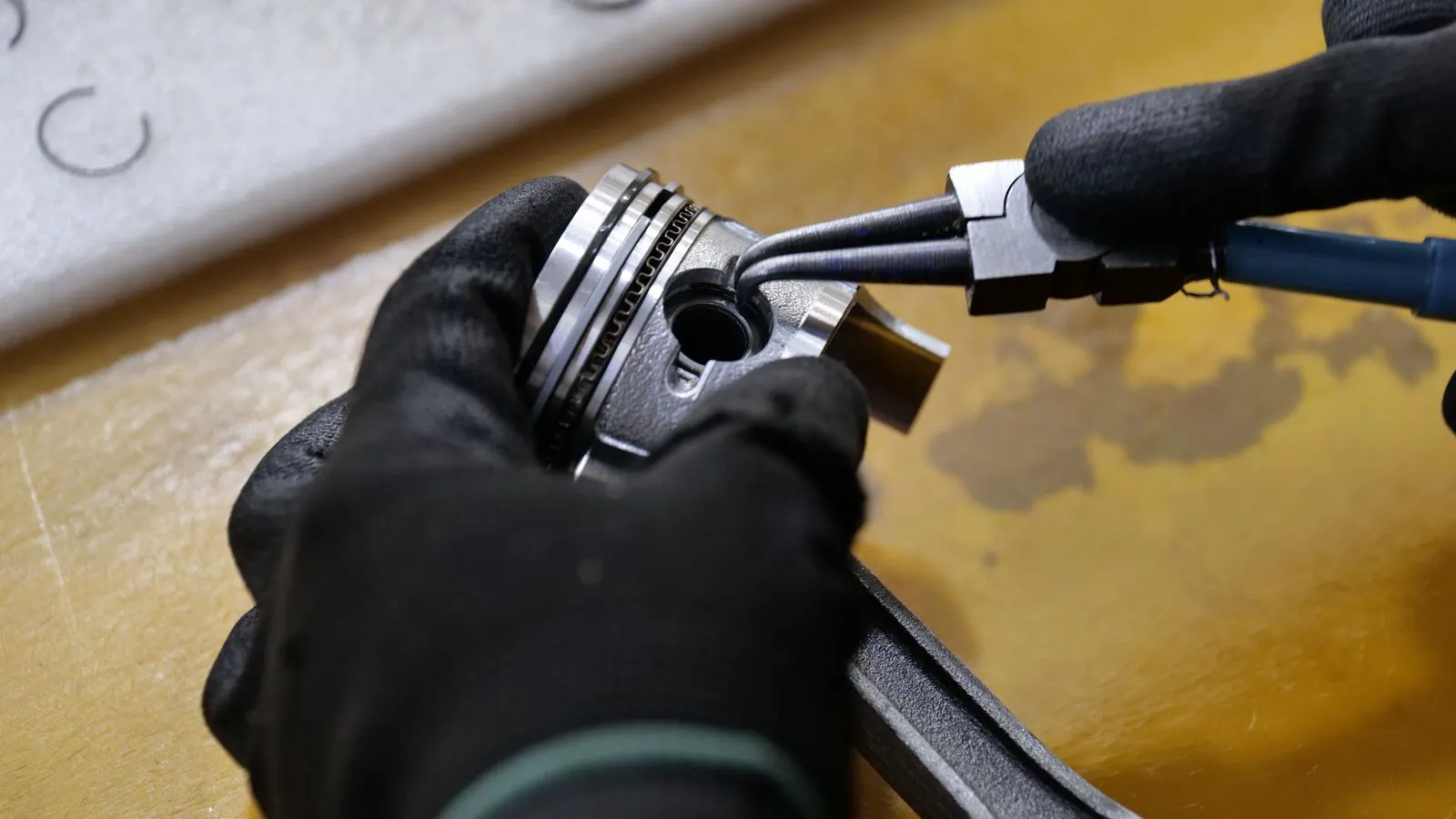
Single-stage piston compressors handle low to medium pressure tasks. Multi-stage units deliver higher discharge pressures and larger flow rates. Match the staging architecture to your specific PSI and CFM requirements to avoid undersizing or overspending.
- Single-stage piston compressors are best for low-pressure applications under 100 PSI.
- Multi-stage piston compressors provide higher pressures and greater flow capacity for heavy industrial use.
- Oil-free piston technology eliminates lubrication maintenance and reduces contamination risk for sensitive applications.
- Always verify actual CFM at working pressure, not just maximum rated capacity.
- Match the compressor staging to your specific duty cycle and pressure requirements.
Choosing between single-stage and multi-stage piston compressors depends on two factors: the pressure you need at the outlet and the volume of air your process consumes. Most procurement decisions get this wrong. Buyers specify a model based on nameplate PSI without verifying whether the unit can sustain that pressure when multiple air tools run simultaneously.
This guide explains how staging architecture changes performance. It covers when single-stage units are sufficient, when multi-stage designs are required, and how to evaluate oil-free piston options for industrial service. You will find a comparison table and a decision checklist at the end to support your purchase order.
How Staging Changes Pressure and Flow
A piston compressor works by trapping air in a cylinder and compressing it as the piston moves. Single-stage units use one cylinder to take air from atmospheric pressure to the final discharge pressure. Multi-stage units use two or more cylinders. Air passes through the first stage, cools in an intercooler, then enters the second stage for further compression.
The difference matters for pressure limits. Single-stage designs typically cap out around 100 to 150 PSI because the temperature rise in one cylinder becomes too high for safe operation without serious lubrication issues or oil-free material degradation. Multi-stage designs handle 200 PSI and above. The interstage cooling prevents the final cylinder from seeing air that is too hot to compress safely.
Flow capacity follows the same logic. A single-stage unit with a 15 CFM rating at 100 PSI cannot deliver 15 CFM at 200 PSI. The pressure ratio forces the volumetric efficiency down. Multi-stage units maintain better volumetric efficiency across higher pressure ranges because the work is divided between cylinders.
For most shop-floor applications involving pneumatic tools, air blow-off, or light manufacturing, single-stage oil-free compressors cover the range. For pneumatic conveying, high-pressure testing, or processes requiring sustained high CFM at elevated PSI, multi-stage designs are the standard.
Oil-Free vs. Oil-Lubricated Piston Design
Oil-free piston compressors eliminate the need for internal lubricants. The pistons, rings, and cylinder liners use low-friction materials such as PTFE or engineered polymers. This design has two major consequences for buyers.
First, maintenance drops. There is no oil drain interval, no oil filter change, and no risk of oil carry-over into the compressed air stream. For food, beverage, pharmaceutical, or electronics assembly, this removes a contamination vector. You do not need aftertreatment oil separators or coalescing filters as aggressively, though dryer and filtration stages are still required for moisture and particulates.
Second, service life and operating costs shift. Oil-free piston compressors generally have a lower initial purchase price than equivalent oil-lubricated units. However, the cylinder liners and piston rings wear faster because they rely on solid lubrication rather than oil film protection. Expect more frequent liner replacement intervals. For a procurement manager, this means calculating total cost of ownership over a five to ten year horizon, not just the sticker price.
Oil-lubricated piston compressors still hold value in high-duty-cycle industrial service. They handle heavy load surges better and have longer component life for the same duty cycle. The trade-off is the risk of oil mist in the air stream and the maintenance burden. If your application tolerates trace oil and you need maximum reliability under continuous loading, oil-lubricated may be the practical choice despite the extra upkeep.
Evaluating Single-Stage Compressors for Your Application
Single-stage piston compressors are the workhorse for light to medium industrial tasks. They suit pneumatic nailers, sandblasting with low pressure requirements, air blow-off, pneumatic conveying at low pressure, and general shop maintenance.
When specifying a single-stage unit, focus on three numbers. Maximum operating pressure, continuous CFM at that pressure, and duty cycle. The nameplate often lists CFM at 90 PSI as a standard reference point. If your process runs at 120 PSI, that CFM number will be lower. Request the manufacturer’s performance curve at your actual working pressure.
Duty cycle matters more than peak power. A single-stage compressor rated for 25 percent duty cycle will overheat if your process runs for ten minutes continuously and rests for twenty. Many industrial buyers assume a unit is fine because it meets peak CFM, then discover it trips the thermal overload after two hours of continuous operation. Check the rated duty cycle against your actual run time.
For oil-free single-stage units, verify the liner material and warranty. Some manufacturers offer liner replacement guarantees that reduce long-term cost. If your application runs at the upper pressure limit of a single-stage design, you will get higher discharge temperatures, which accelerates liner wear and may void warranties that assume cooler operating conditions.
When Multi-Stage Piston Compressors Are Required
Multi-stage piston compressors become necessary when your process demands pressures above 150 PSI or sustained high flow at moderate pressure. Typical applications include pneumatic conveying at elevated pressure, high-pressure air testing, pneumatic actuation for heavy machinery, and air-driven tools that require significant torque at higher PSI.
The interstage cooler is a critical component. It removes heat between stages and allows the second cylinder to operate at a safe temperature. If your facility has poor ventilation or ambient temperatures run high, the intercooler may need to be oversized or supplemented with a forced-air fan. In closed plant rooms, heat rejection can be a bottleneck that limits effective CFM even if the compressor nameplate looks adequate.
For multi-stage units, verify the pressure ratio split. A well-designed machine divides the compression ratio evenly between stages to minimize temperature rise. Poor ratio design causes the final stage to overheat, reducing efficiency and increasing wear. Ask the manufacturer for the stage pressure split and the maximum ambient temperature rating.
Maintenance intervals for multi-stage oil-free units are more complex. You have two sets of liners and rings to inspect. The intercooler also requires periodic cleaning to prevent heat buildup. Budget for these service tasks when building your maintenance plan.
Piston Compressor Sizing for Real-World Demand
Sizing is where most procurement decisions fail. The common mistake is summing the CFM of all air tools and ordering a compressor that matches that total. This ignores duty cycles, simultaneous use, and pressure drop.
Start by listing every air-consuming device. Note its CFM requirement at working pressure. Then determine which tools run at the same time. A pneumatic drill might draw 5 CFM, a compressor blower 10 CFM, and a small sandblaster 8 CFM. If all three run simultaneously, you need at least 23 CFM plus a margin.
Add a 15 to 25 percent margin for pressure drop in the piping and for tool inefficiency. Long runs of hose, small diameter lines, and multiple fittings all reduce the CFM reaching the tool. If your plant layout has significant piping distance, increase the margin.
Finally, match the compressor capacity to the pressure. A unit rated 40 CFM at 90 PSI may deliver only 28 CFM at 150 PSI. For multi-stage applications, this difference is significant. Request the performance table at your specific working pressure, not the standard 90 PSI reference.
Decision Checklist for Purchasing
Use this checklist before finalizing your selection.
- Confirm your maximum working pressure and the minimum pressure required for your most demanding tool.
- Calculate the peak simultaneous CFM demand and add a 15 to 25 percent margin.
- Determine the duty cycle. Estimate continuous run time versus rest time for a typical shift.
- Choose single-stage if pressure is under 150 PSI and duty cycle allows. Choose multi-stage for higher pressures or sustained high flow.
- Decide on oil-free versus oil-lubricated based on contamination sensitivity and total cost of ownership.
- Verify the performance curve at your actual working pressure, not the standard reference point.
- Check warranty coverage for cylinder liners and pistons.
- Confirm ambient temperature rating matches your facility conditions.
- Review maintenance intervals and budget for liner replacement and intercooler cleaning if applicable.
- Confirm the unit fits the available space and has adequate ventilation for heat rejection.
Common Selection Mistakes
Buyers often order a compressor based on the highest CFM nameplate without checking the pressure rating. A unit that delivers high CFM at low pressure may be useless for a process that requires moderate CFM at high pressure. Always read the curve.
Another error is ignoring duty cycle. A compressor that meets peak CFM but has a low duty cycle will trip thermal protection under sustained load. For industrial service, a 100 percent duty cycle rating is preferred for continuous processes.
Finally, buyers underestimate the impact of poor ventilation. Compressors reject heat. In a small or enclosed room, ambient temperature rises, which reduces volumetric efficiency and shortens component life. Plan for adequate airflow around the unit.
Final Thoughts
The choice between single-stage and multi-stage piston compressors comes down to pressure, flow, and duty cycle. Single-stage units are simpler, cheaper, and sufficient for light to medium industrial tasks under 150 PSI. Multi-stage units handle higher pressures and sustained high flow with better efficiency at elevated PSI. Oil-free designs reduce maintenance and eliminate oil contamination, at the cost of shorter liner life. Match the architecture to your actual process requirements, verify the performance curve at working pressure, and calculate total cost of ownership over the unit’s life. That approach will prevent most sizing errors and deliver a compressor that performs reliably in your facility.
Frequently asked questions
What is the maximum pressure for a single-stage piston compressor?
Most single-stage piston compressors operate safely up to 100 to 150 PSI. Above this range, temperature rise in the cylinder becomes too high for reliable operation without excessive wear or oil carry-over.
When should I choose a multi-stage over a single-stage piston compressor?
Choose multi-stage when your process requires pressures above 150 PSI or sustained high CFM at moderate pressure. Multi-stage designs handle higher pressure ratios more efficiently and maintain better volumetric efficiency at elevated PSI.
How does oil-free piston technology affect maintenance costs?
Oil-free piston compressors eliminate oil filter changes and oil drain intervals, reducing routine maintenance. However, they require more frequent replacement of cylinder liners and piston rings because they rely on solid lubrication rather than oil film.
How do I size a piston compressor for multiple air tools?
Sum the CFM of all tools that run simultaneously, add a 15 to 25 percent margin for piping loss, and verify the compressor's CFM at your actual working pressure, not the standard 90 PSI reference.
Can a single-stage compressor be used for pneumatic conveying?
For low-pressure pneumatic conveying, a single-stage oil-free compressor can work if the pressure requirement is under 100 to 150 PSI and the duty cycle is manageable. For higher pressure conveying, a multi-stage design is typically required.