Explainer: Interstage Cooling in Twin-Screw Units
Interstage cooling rejects heat between compression stages in twin-screw compressors. This lowers discharge temperature, reduces oil stress, and improves specific power. It directly affects efficiency, maintenance intervals, and the sizing of aftercoolers.
- Interstage cooling removes heat generated in the first compression stage before it reaches the second stage.
- Lower interstage temperatures reduce oil viscosity changes, extend oil life, and lower discharge air temperature.
- Sourcing decisions must account for the added cost of interstage coolers against the gains in efficiency and reduced thermal stress.
- Twin-screw compressors use this method to approach the ideal polytropic efficiency curve more closely than single-stage designs.
- Proper thermal management is a key specification when comparing multi-stage screw compressor options for continuous duty.
Twin-screw compressors are built for continuous industrial duty. They handle high volumes of compressed air with stable performance. Multi-stage compression is the core design choice that separates these units from simpler single-stage machines. The heat generated during compression creates a thermal challenge that must be managed. Interstage cooling is the primary method used to control that heat.
What Is Interstage Cooling?
Interstage cooling is the rejection of heat from the compressed air between two compression stages. In a twin-screw compressor, the first screw pair compresses the air, raising its pressure and temperature. An interstage cooler, usually an air-cooled or liquid-cooled heat exchanger, removes heat from the air before it enters the second screw pair.
The physical principle is straightforward. Compression work increases the internal energy of the gas. That energy manifests as heat. If that heat remains in the gas, the second stage must compress a hotter, higher-temperature volume. The second stage performs more work to reach the final discharge pressure. By removing heat between stages, the second stage starts with a cooler, denser gas. The work required for the second stage drops.
This process is distinct from discharge air cooling, which happens after the final stage. Interstage cooling is internal to the compression cycle. It changes the thermodynamic path of the gas during compression. It is a design feature, not an accessory.
How It Affects Efficiency
The efficiency of compression is measured by comparing the actual work done to the ideal work in a theoretical process. The ideal path for compression is isothermal, where temperature stays constant. Real compression is polytropic, where temperature rises. The closer the actual process is to the isothermal path, the lower the specific power consumption, measured in kilowatts per standard cubic meter of air.
Single-stage compression follows a steep temperature rise. The gas exits the single screw at a high temperature. There is no opportunity to reject heat before the gas leaves the compressor.
Twin-screw compressors split the pressure ratio into two steps. The first stage raises pressure to an intermediate level. The interstage cooler removes heat. The second stage raises pressure to the final discharge level. This two-step process flattens the temperature rise. The gas enters the second stage cooler than it would in a single-stage machine.
The result is lower specific power. The machine consumes less energy per cubic meter of air delivered. The gains are most visible at higher discharge pressures. At low pressures, the thermal penalty is smaller, and the cost of an interstage cooler may not justify the efficiency gain.
How It Affects Maintenance and Oil Life
Compressed air compressors that use oil typically rely on that oil for lubrication, sealing, and cooling. The oil circulates through the compressor housing and picks up heat from the screws. The oil then releases that heat to the air stream. The temperature of the oil affects its viscosity.
When oil gets too hot, its viscosity drops. Thinner oil provides a weaker lubricating film between the screw profiles and the main bearings. The risk of metal-to-metal contact increases. Wear accelerates. The oil also oxidizes faster at high temperatures. Oxidation creates acidic byproducts that corrode internal parts.
Interstage cooling lowers the peak temperature the oil experiences. The oil does not have to reject all the compression heat in a single pass. The heat is spread over the first and second stages, and the interstage cooler removes a significant portion before the second stage adds more heat.
This lower thermal load extends oil change intervals. The oil stays within its recommended temperature range for longer. It also reduces the risk of carbon buildup on the screws and in the housing. Cleaner internal surfaces reduce friction and maintain efficiency over the life of the machine. For facilities that run compressors at 24/7 duty, this maintenance benefit is a direct cost saver.
Sourcing Decisions: What to Look For
When sourcing twin-screw compressors, thermal management is a specification you must verify. Not all multi-stage designs are built the same. The interstage cooler can be air-cooled or liquid-cooled. Air-cooled coolers are simpler and cheaper but less effective in hot ambient conditions. Liquid-cooled coolers use a chiller or water loop to remove heat more aggressively. They cost more but maintain tighter temperature control.
The placement of the interstage cooler matters. Some designs place it directly between the two screw housings. Others route the air to a remote heat exchanger. Remote placement allows for better airflow around the cooler but adds piping length and pressure drop. Piping losses add to the energy cost.
The control system must monitor interstage pressure and temperature. If the interstage pressure is too low, the second stage may not get enough gas flow. If the interstage temperature is too high, the efficiency gains are lost. Modern twin-screw compressors use variable frequency drives to adjust the rotation speed and match demand. The control system uses interstage sensors to optimize the drive.
When comparing quotes, ask for the specific power rating at your target pressure and duty cycle. Ask for the interstage cooling method. Ask for the oil temperature rating at maximum ambient conditions. These numbers tell you how well the machine manages heat. A machine with a lower specific power rating at your operating point will cost less to run over its life.
Worked Example: A Paint Shop Application
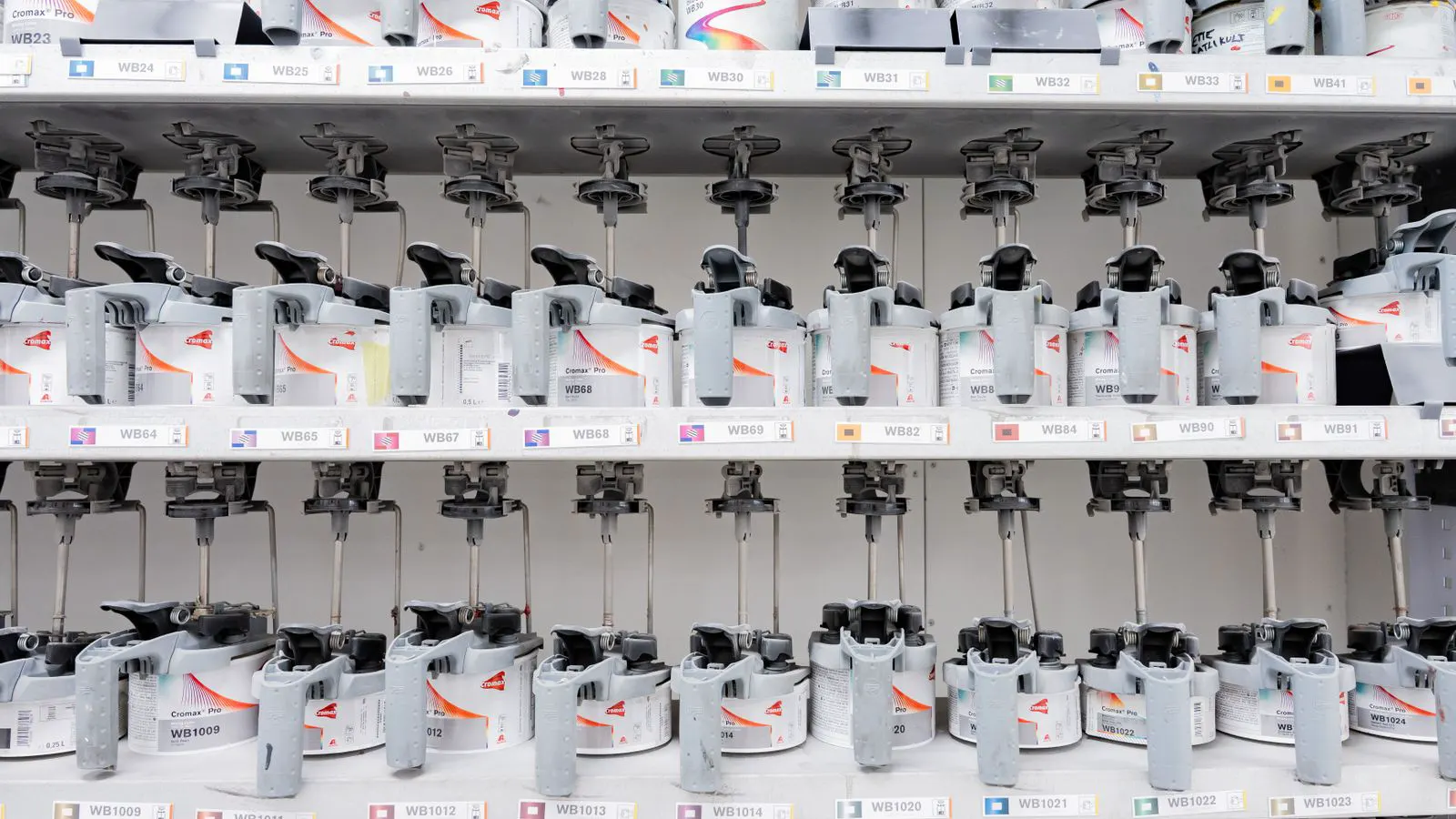
A paint shop needs a steady supply of dry, low-temperature compressed air for spray equipment. The air must be clean and free of oil mist. The shop runs at 3 bar gauge pressure. The ambient temperature in the compressor room can reach 35 degrees Celsius in summer.
The shop evaluates two options. Option one is a single-screw compressor. Option two is a twin-screw compressor with an interstage cooler.
In the single-screw design, the air enters the first stage at ambient temperature. It is compressed to 3 bar. The temperature rises significantly. The air exits the compressor hot. It must pass through an aftercooler to bring the temperature back down to a usable level. The oil in the machine runs hot because it absorbs all the compression heat. The oil changes frequently.
In the twin-screw design, the first screw pair compresses the air to an intermediate pressure. The interstage cooler removes heat from the air. The air enters the second screw pair cooler than it would in the single-screw case. The second screw pair finishes the compression to 3 bar. The final discharge temperature is lower. The oil in the machine runs cooler because the heat is distributed and rejected by the interstage cooler.
The shop selects the twin-screw compressor. The initial cost is higher. The interstage cooler adds to the footprint. The specific power is lower. The oil life is longer. The discharge air is cooler, which is better for the spray equipment. The shop accepts the higher capital cost for the lower operating cost and better air quality.
Common Mistakes in Thermal Management Design
The most common mistake is undersizing the interstage cooler. A cooler that is too small cannot remove enough heat. The air enters the second stage hotter than designed. The efficiency gains disappear. The oil runs hot. The machine shortens its life.
Another mistake is ignoring ambient temperature. An air-cooled interstage cooler performs well in a cool, ventilated room. In a hot, enclosed space, the same cooler may overheat. The designer must check the ambient conditions for the specific installation location. Liquid cooling may be the better choice in hot environments.
A third mistake is poor piping design. Long, small-diameter pipes between the first stage, the interstage cooler, and the second stage create pressure loss. The pressure drop reduces the effective pressure ratio of the first stage. The second stage must work harder. The energy savings from interstage cooling are eaten up by the piping losses. Keep the piping short and large enough to minimize friction.
How to Verify the Design
When you are evaluating a twin-screw compressor, request the technical data sheet. Look for the interstage cooling method. Look for the maximum and minimum ambient operating temperatures. Look for the specific power at your target pressure.
Ask the supplier for the interstage temperature range at rated conditions. A well-designed machine will maintain interstage temperatures within a narrow band. Ask about the oil temperature at maximum load. If the oil temperature is high, the thermal management may be inadequate.
Check the control system documentation. The system should have sensors for interstage pressure and temperature. It should have alarms for high interstage temperature. It should adjust the drive speed to maintain the setpoint.
Review the maintenance plan. The oil change interval should be based on the expected oil temperature. A machine with good thermal management will have a longer oil change interval than a machine with poor thermal management. This is a direct indicator of the thermal design quality.
Final Considerations
Interstage cooling is a defining feature of twin-screw compressors. It is not a minor detail. It determines the efficiency, the maintenance cycle, and the quality of the discharge air. When you source a screw compressor for a continuous duty application, you must evaluate the thermal management design as carefully as you evaluate the pressure rating and the flow capacity.
The cost of an interstage cooler is a small fraction of the total capital cost. The savings in energy and oil over the life of the machine are significant. The lower discharge temperature protects the downstream equipment. The cooler oil extends the life of the internal components.
Twin-screw compressors with proper interstage cooling are the standard for high-reliability industrial air supply. They offer a balance of efficiency, durability, and low maintenance that single-stage designs cannot match. The key is to choose the right thermal management method for your specific operating conditions.
Frequently asked questions
Does every twin-screw compressor have an interstage cooler?
Yes, interstage cooling is a standard part of the twin-screw design. The specific method, such as air-cooled or liquid-cooled, varies by model and duty cycle.
What is the difference between interstage cooling and discharge air cooling?
Interstage cooling happens between the two compression stages. Discharge air cooling happens after the final stage. Interstage cooling reduces the work of the second stage. Discharge air cooling reduces the temperature of the final air for use.
How does interstage cooling affect the oil life in an oil-injected compressor?
It lowers the peak oil temperature. Lower temperatures slow oxidation and reduce viscosity loss. This extends the oil change interval and reduces internal wear.
Is an air-cooled interstage cooler enough for all applications?
No. In high ambient temperatures or enclosed spaces, an air-cooled cooler may not remove enough heat. A liquid-cooled cooler may be required to maintain the designed temperature.
What should I check in the technical data sheet for a twin-screw compressor?
Check the interstage cooling method, the specific power at your target pressure, the maximum ambient operating temperature, and the oil temperature at rated conditions.