How Suction Air Quality Affects Screw Compressor Performance
Moisture and particulates in intake air significantly degrade screw compressor performance and longevity. Proper air filtration and intake management are critical sourcing decisions that protect efficiency, reduce downtime, and extend the life of the equipment, ensuring reliable industrial air supply.
- Moisture in suction air can cause oil emulsification and internal corrosion.
- Particulates act as abrasives that wear down rotor blades and seals.
- High-temperature intake air increases energy consumption and reduces compressor output.
- Selecting the correct intake filtration system is as important as selecting the compressor.
- Regular inspection of intake filters is essential for maintaining peak performance.
Why Intake Air Conditions Matter for Screw Compressors
A screw compressor is not a self-contained machine; it is a component of a larger system that relies on the quality of the air it pulls from the environment. While much of the focus in industrial procurement goes toward the horsepower rating, the discharge pressure, and the volumetric flow rate of the compressor itself, the condition of the air entering the machine is just as critical. The term suction air quality refers to the state of the atmosphere being drawn into the compressor, including the concentration of moisture, particulate matter, temperature, and humidity.
When the intake air is poor, the compressor must work harder to compress it, which directly impacts energy usage and mechanical stress. For facility managers and engineers, understanding the relationship between intake conditions and machine output is fundamental. It is not merely a matter of maintenance; it is a core part of the sizing and selection process. Ignoring the quality of the source air can lead to premature component failure, higher operating costs, and unexpected downtime.
How Moisture Impacts Mechanical Longevity
Moisture is often the most damaging factor in the suction air. In many industrial settings, the intake air is cool and humid. When this air enters the compressor, it is compressed and heated. The physical laws of thermodynamics dictate that the moisture will condense into liquid water. In a well-designed system, this water is separated and drained. However, if the intake air is already saturated or if the internal drainage systems are overwhelmed, residual moisture remains in the oil system.
This residual moisture mixes with the lubricating oil, creating an emulsion. An emulsified oil loses its lubricating properties and becomes acidic over time. This acidity attacks the internal components, such as the rotor shafts and bearings, leading to corrosion. Furthermore, water droplets in the oil can cause cavitation in the bearings, which accelerates wear. Over time, this leads to increased clearances between the rotor and the housing, reducing the efficiency of the compression process. The result is a machine that consumes more energy to produce the same amount of air.
The Abrasive Nature of Particulate Matter
Particulate matter includes dust, sand, fibers, and other solids suspended in the air. In many industrial environments, such as construction sites, woodworking shops, or manufacturing plants with loose powders, the intake air can be heavy with these materials. When unfiltered particulates enter the compressor, they act as tiny, hard abrasives.
As the rotor blades spin at high speeds to compress the air, any particles trapped in the oil or stuck to the blades will scrape against the housing and other moving parts. This is a form of abrasive wear that is significantly harder and faster than normal mechanical wear. It can pit the rotor blades, damaging the critical clearance profile. Even a small amount of surface damage can prevent the rotor and housing from sealing properly, leading to air leakage and a drop in efficiency. In severe cases, particulate matter can jam the internal mechanisms, causing catastrophic failure.
Temperature and Humidity Effects on Energy Efficiency
The physical properties of air change with temperature and humidity, and these changes directly affect the energy required to compress it. Warm air is less dense than cold air. To achieve the same volumetric flow rate, a compressor must pull in more mass of air when the intake temperature is high. This means the motor must do more work. Conversely, cold, dense air is easier to compress and requires less energy.
Humidity also plays a role. Water vapor has a lower molecular weight than the nitrogen and oxygen in dry air. A humid atmosphere is actually less dense than a dry atmosphere at the same temperature. Therefore, compressing humid air requires slightly more energy than compressing dry air. For a facility operating in a hot, humid climate, the impact on energy costs can be substantial over the lifespan of the compressor. When selecting equipment, it is important to consider the average intake temperature and humidity of the specific location to ensure the compressor is sized appropriately.
The Role of Air Filtration in Selection
Given the risks posed by poor suction air quality, the selection of an air filtration system is a critical component of the overall project. An air compressor is typically installed with an intake filter, but the effectiveness of this filter depends on the severity of the environment. In a clean office or warehouse, a standard filter may suffice. In a dusty or wet environment, a more robust filtration system is required.
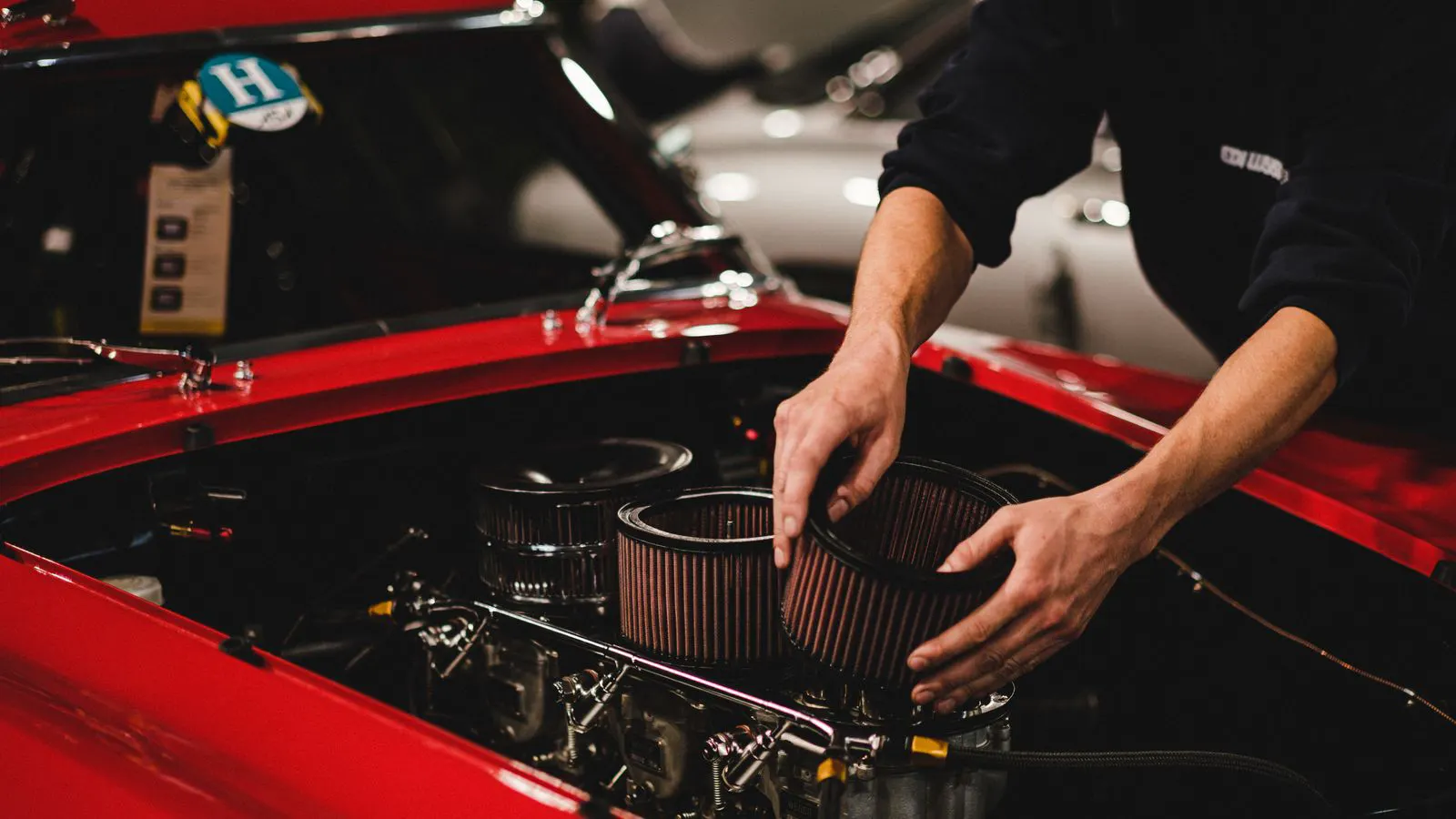
There are two main stages of filtration to consider. The first is the intake filter, which sits directly on the compressor and removes larger particles. The second is a pre-filter or a dedicated intake filtration system installed further upstream, such as at a window or a dedicated intake point. This upstream system protects the compressor from the bulk of the contaminants. When sourcing a compressor, it is essential to specify the filtration requirements based on the site conditions. A vendor will often recommend a specific filter class based on the expected particulate load. Choosing the wrong filter can lead to frequent clogging, which increases the pressure drop across the intake and forces the compressor to work harder, or it can allow contaminants to pass through, causing damage.
A Worked Example of Selection Impact
Consider a facility that manufactures concrete blocks. The workshop floor is covered in fine concrete dust, and the air is often humid due to the mixing process. If a standard screw compressor were selected without accounting for this environment, the intake filters would clog rapidly. The maintenance team would find that they need to replace filters every few weeks, increasing labor costs. More importantly, the pressure drop across the clogged filter would force the compressor to draw more air from the intake, increasing energy consumption.
Furthermore, any small amount of dust that bypasses the filter would act as an abrasive, wearing down the rotor blades. Over a year or two, the efficiency of the compressor would drop significantly, and the oil would become contaminated, leading to bearing failures. By contrast, if the selection process included a heavy-duty intake filtration system and a compressor rated for harsh environments, the machine would operate efficiently for many years. The initial cost of the filtration system and the premium compressor would be offset by lower maintenance costs, higher energy efficiency, and a longer service life.
Best Practices for Maintaining Suction Air Quality
To protect the investment in a screw compressor, facility managers must implement a routine program for monitoring and maintaining suction air quality. This involves regular inspection of the intake filters. Filters should be checked for clogging and replaced or cleaned according to the manufacturer’s recommendations. In dusty environments, this may need to be done every few weeks, while in clean environments, it may be every few months.
It is also important to monitor the temperature of the intake air. If the compressor is installed in a hot area, such as under a roof or near a heat source, it will run hotter and less efficiently. Consider moving the intake to a cooler location or installing a shaded intake. Additionally, the condensation system should be checked regularly to ensure that moisture is being removed effectively. A simple drain trap can be a point of failure if it becomes clogged with oil or sludge.
Conclusion
The performance and longevity of a screw compressor are inextricably linked to the quality of the air it ingests. Moisture, particulates, and high temperatures are not just nuisances; they are active agents that degrade mechanical components and increase energy costs. By understanding the specific conditions of the operating environment, buyers can make informed decisions about both the compressor and the filtration system. Treating suction air quality as a primary selection criterion, rather than an afterthought, ensures that the equipment operates at peak efficiency and serves the facility for the maximum possible duration.
Frequently asked questions
What is the most common cause of premature screw compressor failure?
Yes, intake temperature has a direct impact. Warmer intake air is less dense, meaning the compressor must work harder to move the same volume of air, which increases energy consumption and wear on the motor.
How often should I check my intake filters?
The frequency depends on the environment. In clean settings, every six months may be sufficient. In dusty or wet environments, you may need to check them every two to four weeks to prevent excessive pressure drop.
Can I use a standard air compressor in a very dusty environment?
It is not recommended. Standard compressors are not designed to handle high loads of particulate matter. You should use a unit with a heavy-duty filtration system and ensure the intake is protected from direct dust exposure.
What is the difference between an intake filter and a pre-filter?
An intake filter is attached directly to the compressor and acts as the final barrier. A pre-filter is usually installed upstream, such as at the window or intake point, to remove the bulk of contaminants before they reach the compressor.