Outlook: Predictive Maintenance for Industrial Compressors
Predictive maintenance moves compressor care from fixed schedules to condition-based decisions. Buyers should expect shifts in data ownership, sensor integration, and maintenance planning. This guide outlines five practical changes to prepare for, from vibration analysis to software platforms, to reduce unplanned downtime.
- Predictive maintenance shifts focus from calendar-based service to real-time condition monitoring.
- Vibration analysis and thermal imaging are the most common starting points for condition monitoring.
- Data integration requires linking compressor controls with maintenance management systems.
- Buyers should prioritize vendor support for data export and sensor compatibility.
- Planning for software platforms and training is as important as hardware selection.
Why Fixed Schedules Are Losing Ground
Traditional compressor maintenance relies on fixed intervals. Oil changes happen every ten or fifteen hundred hours. Filters get replaced on a set number of cycles. These schedules work well when failure modes are predictable, but they often lead to two problems. Maintenance happens too early, replacing parts that still have life left. Or it happens too late, after a small fault has grown into a major breakdown.
Predictive maintenance changes this approach. Instead of replacing parts on a calendar, technicians monitor the actual condition of the machine. They use sensors to track parameters that indicate wear, imbalance, or developing failure. When a trend moves outside normal limits, service happens. This requires different skills, different tools, and different planning.
The shift is not just about technology. It changes how maintenance teams organize work, how vendors support equipment, and how buyers evaluate total cost of ownership. Understanding these changes helps procurement teams prepare for a maintenance model that is less reactive and more data-driven.
The Five Shifts Buyers Should Plan For
The move toward condition monitoring is not a single product purchase. It is a series of operational changes. Five shifts are becoming standard in industrial facilities that take air compressor reliability seriously.
First is the shift from reactive to condition-based decisions. Teams no longer wait for a breakdown or a scheduled service date. They monitor trends and intervene when data shows a problem. This requires a baseline of normal operating conditions for each compressor.
Second is the shift to continuous data collection. Sensors on motors, bearings, and valves generate data around the clock. This data must be stored, reviewed, and acted on. Facilities need systems to manage the information flow.
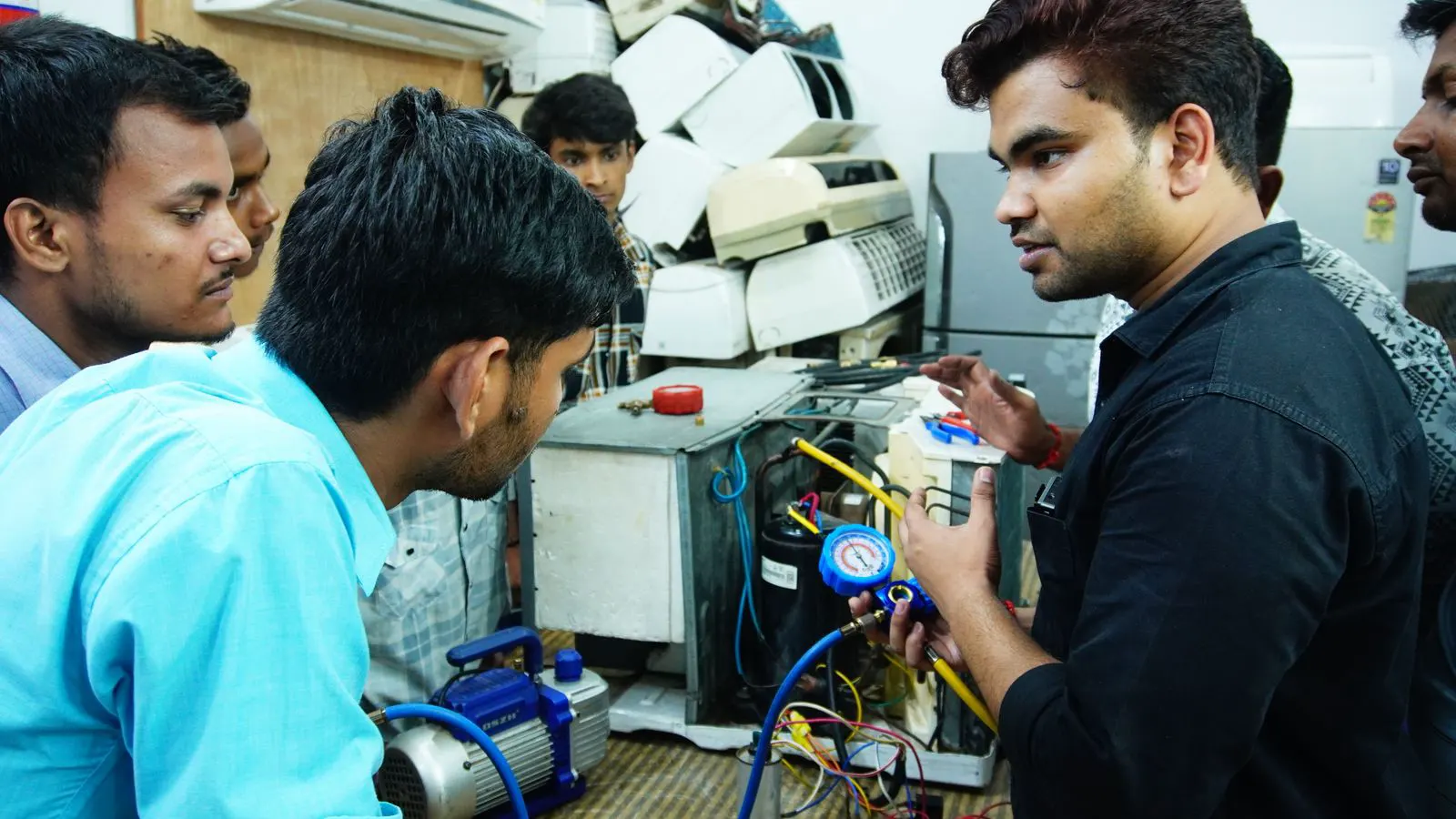
Third is the shift in skill requirements. Maintenance staff need training to interpret vibration signatures and thermal images. A technician who only knows how to change oil may not recognize a developing bearing fault.
Fourth is the shift in vendor relationships. Buyers must ask how data is stored, who owns it, and whether it can be exported. Vendors who lock data into proprietary systems limit long-term flexibility.
Fifth is the shift to integrated platforms. Standalone monitors are giving way to software platforms that combine multiple data sources into a single view. This makes it easier to correlate compressor issues with other plant systems.
How Vibration Analysis Fits Into the Picture
Vibration analysis is one of the most established methods in predictive maintenance. It measures the mechanical motion of rotating equipment. Motors, pumps, and compressors all vibrate at their operating speed. The pattern of that vibration changes as components wear.
A healthy motor produces a consistent vibration signature. As bearings wear, the signature develops harmonics that indicate imbalance or misalignment. These changes can appear weeks or months before a failure becomes visible to the operator.
Most modern compressors can accept vibration sensors. Some come with built-in monitoring, while others require external sensors mounted on the motor or bearing housing. The key is consistent placement. Sensors must be mounted in the same location each time to allow trend comparison.
Thermal imaging adds another layer. Infrared cameras detect heat patterns that indicate electrical issues, friction, or loose connections. A bearing running hot may show a temperature rise before vibration levels increase. Combining both methods gives a fuller picture of mechanical health.
What Data Integration Actually Requires
Collecting data is the easy part. Making sense of it is harder. Predictive maintenance fails when data sits in silos, disconnected from the people who need to act on it.
A basic setup connects a sensor to a local monitor. The monitor stores data and displays trends on a screen. This works for a single compressor or a small group of units. As the fleet grows, the data volume increases. Manual review becomes impractical.
Larger facilities integrate compressor data into a maintenance management system. This system stores work orders, asset history, and sensor readings in one place. When a vibration alarm triggers, the system can create a work order automatically. It can also pull up the service history for that specific compressor.
Integration requires attention to data standards. Different sensors and controllers speak different protocols. Buyers should ask about compatibility with common industrial communication standards. Open formats make it easier to work with multiple vendors and avoid long-term lock-in.
The human side matters too. If the system generates too many alerts, technicians ignore them. A well-tuned platform uses thresholds and trend lines to highlight only meaningful changes. This reduces alert fatigue and keeps attention on real problems.
How to Prepare Your Facilities and Staff
Preparing for predictive maintenance is not just about installing sensors. It involves changes to processes and training.
The first step is a baseline assessment. Before implementing monitoring, technicians should record normal operating conditions for each compressor. This includes vibration levels, temperature readings, pressure patterns, and current draw. Without a baseline, it is difficult to know what is abnormal.
Training is the second step. Maintenance staff need to understand what the data means. A short course on vibration analysis basics can help technicians recognize common fault patterns. They should also learn how to respond when an alert triggers. Does it require immediate shutdown, or can the issue be monitored over the next shift?
The third step is updating maintenance procedures. Work instructions should reflect the new condition-based approach. Instead of “replace oil every 1,500 hours,” the procedure might say “check oil condition and replace when viscosity drops below threshold.” This requires different documentation and different approval processes.
The fourth step is reviewing spare parts strategy. Predictive maintenance can extend component life, but it also requires quick access to replacement parts when a fault is confirmed. Facilities should review their inventory levels and supplier agreements to ensure critical parts are available on short notice.
Finally, leadership should set clear goals. What does success look like? Reduced unplanned downtime? Lower maintenance costs? Longer component life? Without clear goals, the program may drift or lose support.
Questions to Ask Vendors Before Buying
The compressor purchase is only part of the picture. The maintenance ecosystem matters just as much. When evaluating units, buyers should ask specific questions about condition monitoring support.
Can the compressor data be exported in a standard format? If the vendor locks data into a proprietary app, the facility may be stuck when the platform changes.
Are built-in sensors included, or do they cost extra? Built-in vibration and temperature sensors simplify installation but increase the upfront cost.
How does the vendor support sensor calibration? Sensors drift over time. A calibration schedule and procedure are part of the total cost of ownership.
Does the vendor provide technical support for interpreting alerts? Some vendors sell the hardware but leave the interpretation to the customer. This is a gap that can be expensive to fill.
Is there a service agreement that includes data review? Some vendors offer regular remote monitoring where they analyze trends and flag potential issues. This can be valuable for facilities without in-house expertise.
These questions help separate vendors who support a condition-based model from those who only sell hardware.
What to Do With the Data You Collect
Collecting data without acting on it is a waste of money. The value of predictive maintenance comes from closed-loop action.
When a trend shows a developing problem, the response should be clear. A minor vibration increase might warrant a closer look at the next scheduled service. A sharp spike might require immediate shutdown and inspection. The decision should be based on predefined thresholds, not gut feeling.
After service, the data should be updated. If a bearing was replaced, the baseline should reset. The system should reflect the new condition. This keeps future comparisons accurate.
Regular audits help the program improve. Maintenance managers should review false alarms, missed detections, and response times. Adjusting thresholds and procedures based on this review keeps the system useful.
The goal is not to replace all judgment with software. It is to give technicians better information so they can make better decisions. The human element remains central. Data supports the technician; it does not replace them.
A Practical Roadmap for the Next 12 to 24 Months
The transition to predictive maintenance happens in stages. A phased approach reduces risk and builds capability.
The first phase is baseline collection. Identify the highest-risk compressors and install sensors on them. Record normal operating conditions. Train a small group of technicians on the new tools.
The second phase is pilot implementation. Use the pilot data to tune thresholds and refine procedures. Test the workflow from alert to work order to service. Identify bottlenecks and fix them before scaling up.
The third phase is expansion. Add more compressors to the monitoring program. Integrate the data into the maintenance management system. Train the broader maintenance team.
The fourth phase is optimization. Review the full dataset to identify patterns. Adjust preventive maintenance schedules based on actual condition rather than fixed intervals. Negotiate service agreements that align with condition-based planning.
Each phase should have clear success criteria. If the pilot does not reduce unplanned downtime or improve response times, adjust the approach before moving forward.
Bottom Line for Buyers
Predictive maintenance is not a luxury. It is becoming a standard expectation for industrial air compressor reliability. The shift is from reactive fixes to condition-based decisions, and it requires changes in data handling, staffing, and vendor relationships.
Buyers should plan for five shifts: from calendar to condition, from isolated data to integrated platforms, from fixed skills to new competencies, from hardware-only purchases to data-support agreements, and from manual review to automated alerting.
The preparation starts before the purchase. Define what data you need, what training your staff requires, and what vendor support looks like. Ask the right questions early. The compressor you buy today should fit the maintenance model you are building for the next decade.
Frequently asked questions
What is the difference between predictive maintenance and preventive maintenance?
Preventive maintenance follows a fixed schedule, such as oil changes every set number of hours. Predictive maintenance uses condition monitoring data to service equipment only when needed.
Do all industrial compressors support predictive maintenance?
Most modern units can accept external sensors. Some come with built-in monitoring. Older units can often be retrofitted, but compatibility varies.
How much time does it take to implement a basic monitoring system?
A single compressor with external sensors can be set up in a few hours. Integration into a larger maintenance system takes longer, depending on the existing infrastructure.
What is the most common failure that predictive maintenance catches?
Bearing degradation is the most frequently detected issue. Vibration analysis is particularly effective at identifying bearing problems before they lead to seizure.
Can predictive maintenance reduce maintenance costs?
It can reduce unplanned downtime and extend component life. The savings vary by facility, but most programs report lower emergency repair costs over time.
Do I need specialized software to run predictive maintenance?
A basic setup can use standalone monitors. Larger facilities benefit from integrated platforms that combine multiple data sources into a single view.