Troubleshooting: Why Compressor Discharge Pressure Fluctuates
Pressure fluctuation often stems from control lag, air leaks, or undersized receivers. This guide identifies the root causes and provides practical steps to stabilize your air supply for manufacturing.
- Identify pressure fluctuation by monitoring trends, not just single readings.
- Check the control valve and receiver volume before replacing expensive components.
- Fix air leaks to reduce the load on the compressor.
- Verify that the control system response time matches the process demand.
Why does discharge pressure jump during operation
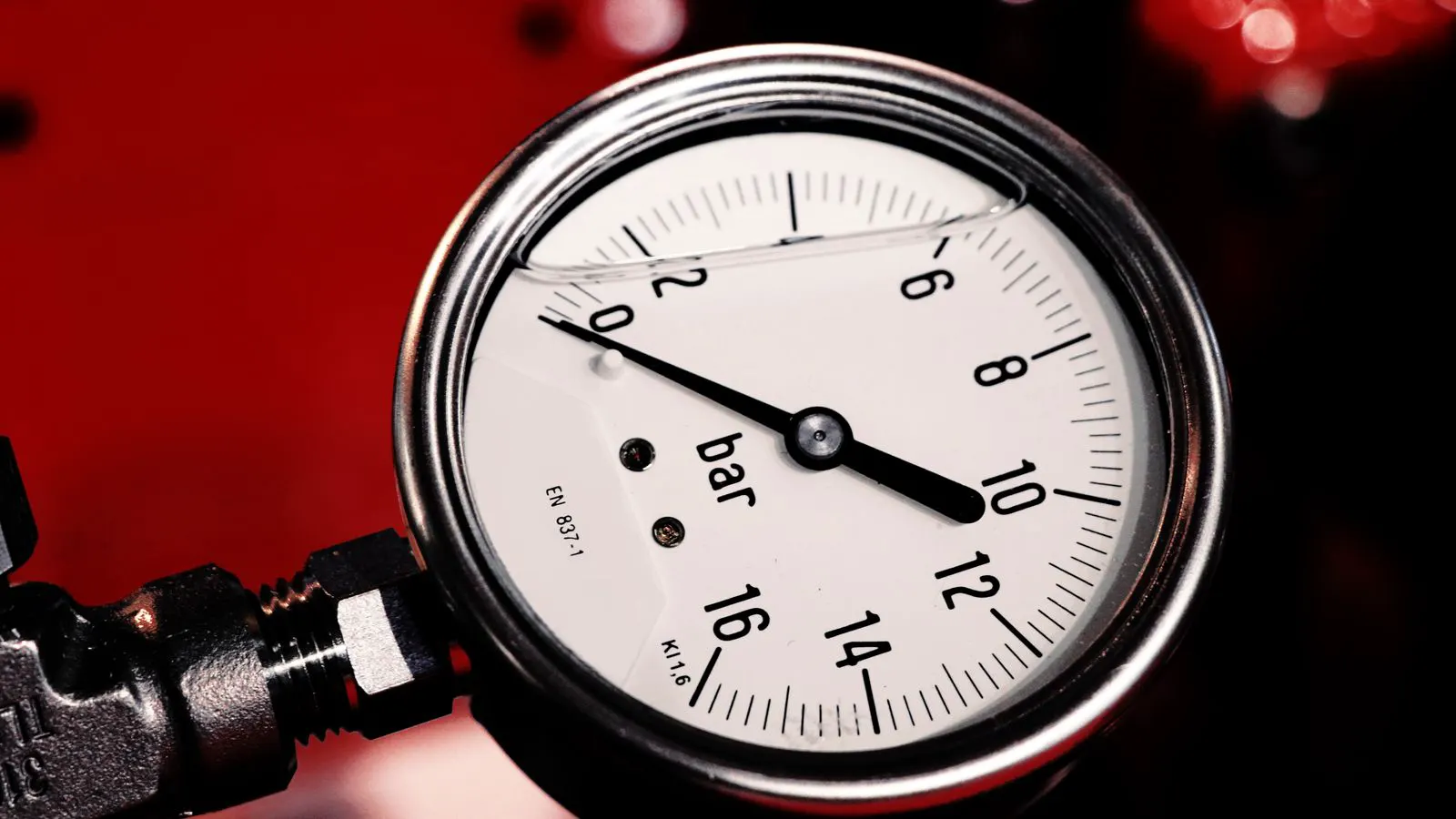
Unstable air supply creates immediate problems for sensitive manufacturing. Paint lines stall. Vacuum sealers fail. Pneumatic tools lose torque. When the gauge needle jumps or drifts, the first assumption is often that the compressor is failing. In many cases, the problem is not the machine itself but the way it is controlled or connected to the plant.
Discharge pressure fluctuation usually means the compressor is fighting a load that changes faster than the control system can respond. The system overshoots, then undershoots, and the cycle repeats. This pattern is visible on the gauge and in the production logs. It also affects the air quality because rapid pressure changes can introduce moisture and oil carryover into the distribution lines.
The goal of this section is to help you isolate the source. You need to distinguish between a mechanical fault, a control issue, and a system design flaw. The table below lists the most common symptoms, the likely causes, and the actions required to resolve them.
| Symptom | Likely cause | What to do |
|---|---|---|
| Pressure rises then drops in a regular cycle | Control valve is too slow or receiver is too small | Adjust the control valve response time or increase the receiver volume to smooth out the load. |
| Pressure drops when a large motor or vacuum line starts | Undersized compressor for the peak load | Calculate the peak demand and verify the compressor capacity against the specific process requirements. |
| Pressure oscillates around the set point | Control system hysteresis is too tight | Increase the pressure band width in the control system to give the compressor time to stabilize. |
| Gauge needle shakes or vibrates | Air leak in the distribution line or worn check valve | Perform a leak test on the lines and inspect the check valve for wear or debris. |
| Pressure fluctuates only when the unit cools down | Moisture in the line or cold receiver reducing capacity | Install a proper air dryer and ensure the receiver is sized for the ambient operating temperature. |
How to verify the control system response
The control system is the brain of the air compression plant. It monitors the pressure and commands the compressor to start or stop. If the brain reacts too slowly, the body (the compressor) overcompensates. This creates the classic sawtooth pattern on the gauge.
Start by checking the pressure set points. If the start-up and cut-off pressures are too close together, the compressor will cycle frequently. Each cycle adds heat and wear. A wider pressure band gives the system time to stabilize. For example, if the set point is 8 bar, the cut-off might be set at 9 bar. If the band is too narrow, the unit may stop and start every few seconds. This short cycling is a common source of pressure fluctuation.
Next, check the control valve itself. In older systems, the valve might be mechanical. In newer systems, it is often electronic. A mechanical valve can stick if the diaphragm is damaged or the spring is weak. An electronic valve might have a faulty sensor. Clean the sensor port and verify that the signal is reaching the controller. If the sensor is dirty, it reads the wrong pressure and sends the wrong command.
Is the receiver volume sufficient for the load
The receiver tank acts as a buffer. It stores compressed air so that the compressor does not have to run constantly to meet demand. If the tank is too small, the pressure will swing violently every time a load changes.
Check the receiver size against the air demand of the connected equipment. A large receiver smooths out short spikes in usage. It allows the compressor to run longer cycles rather than frequent starts and stops. If you have added new equipment to the line, the original receiver may no longer be adequate.
Also consider the location of the receiver. If the tank is far from the point of use, pressure drops occur in the piping. This creates a local fluctuation even if the compressor is stable. Moving the receiver closer to the sensitive process can reduce this issue. In some plants, multiple small receivers at different zones perform better than one large receiver at the central location.
Check for air leaks in the distribution lines
Air leaks are a major cause of unstable air supply. Every leak increases the load on the compressor. When the compressor runs harder to compensate for the leak, the pressure control system works harder as well. This can lead to fluctuations, especially if the leak is near a pressure-sensitive process.
Listen for hissing sounds. These are often the first sign of a leak. However, not all leaks hiss loudly. Small pinholes in fittings or worn O-rings can release air quietly. Use soapy water to check joints. A stream of bubbles indicates a leak.
Pay attention to the check valve. If the check valve is worn or blocked with debris, air from the receiver can flow back into the compressor discharge line when the unit stops. This causes a pressure drop immediately after shutdown. Replacing a worn check valve is a simple fix that often resolves pressure fluctuation issues.
How moisture and temperature affect pressure stability
Moisture in the air line changes the physics of the system. As air cools in the distribution lines, the moisture condenses. This liquid water takes up space in the pipe. It reduces the effective capacity of the line and can cause erratic pressure readings.
The temperature of the receiver also matters. Cold air is denser, but a cold receiver may have less capacity to hold the same mass of air. In winter, the pressure may drop faster than expected. In summer, heat from the compressor adds to the ambient temperature, which can cause the pressure to rise higher than the set point.
Install a proper air dryer to remove moisture. A coalescing filter is not enough for sensitive processes. A desiccant dryer or a refrigerated dryer will keep the air dry and stable. Ensure the dryer is sized for the total volume of air being treated, not just the peak demand.
Prevention tips for stable air pressure
Preventing pressure fluctuation is easier than fixing it. A few regular checks can save significant downtime.
- Monitor pressure trends over time. Do not rely on a single gauge reading. Use a data logger to record pressure at regular intervals. Look for patterns. A consistent oscillation suggests a control issue. A random drop suggests a leak or a sudden load change.
- Inspect the check valve and unloader valve. These parts wear out over time. Replace them during routine maintenance. A worn unloader valve can cause the compressor to work against its own discharge, leading to pressure spikes.
- Keep the intake filters clean. A clogged intake filter restricts airflow. The compressor has to work harder to pull air in. This increases the load and can cause pressure fluctuations during start-up.
- Verify the control system settings annually. As equipment changes, the air demand changes. Recalculate the required capacity and adjust the control set points if necessary.
- Maintain proper oil levels and oil quality. Low oil levels can cause the unloader valve to stick. Degraded oil can clog the control system. Follow the manufacturer’s maintenance schedule for oil changes and filter replacements.
Stable air pressure is a function of design, maintenance, and control. When one of these elements fails, the pressure fluctuation appears. By systematically checking the control system, the receiver, the leaks, and the moisture, you can isolate the problem and restore stable operation.
Frequently asked questions
What is the difference between pressure fluctuation and pressure drop?
A pressure drop is a reduction in pressure, often caused by a leak or increased load. A pressure fluctuation is a repeated rise and fall in pressure, usually caused by control system issues or cycling.
Can a small air leak cause pressure fluctuation?
Yes. Even a small leak increases the load on the compressor. This forces the control system to work harder, which can lead to unstable pressure readings, especially in sensitive processes.
How do I know if my receiver is too small?
If the pressure drops quickly when a load starts and rises quickly when it stops, the receiver is likely too small. A larger receiver will smooth out these changes and reduce the cycling frequency.
Is it safe to operate a compressor with pressure fluctuation?
It is not safe for sensitive processes. Fluctuating pressure can cause product defects, damage equipment, and reduce the lifespan of the compressor. It is better to address the issue immediately.
What is the best way to monitor pressure fluctuation?
Use a data logger or a digital controller that records pressure over time. Visual inspection of the gauge is not enough. You need to see the trend to identify the pattern.