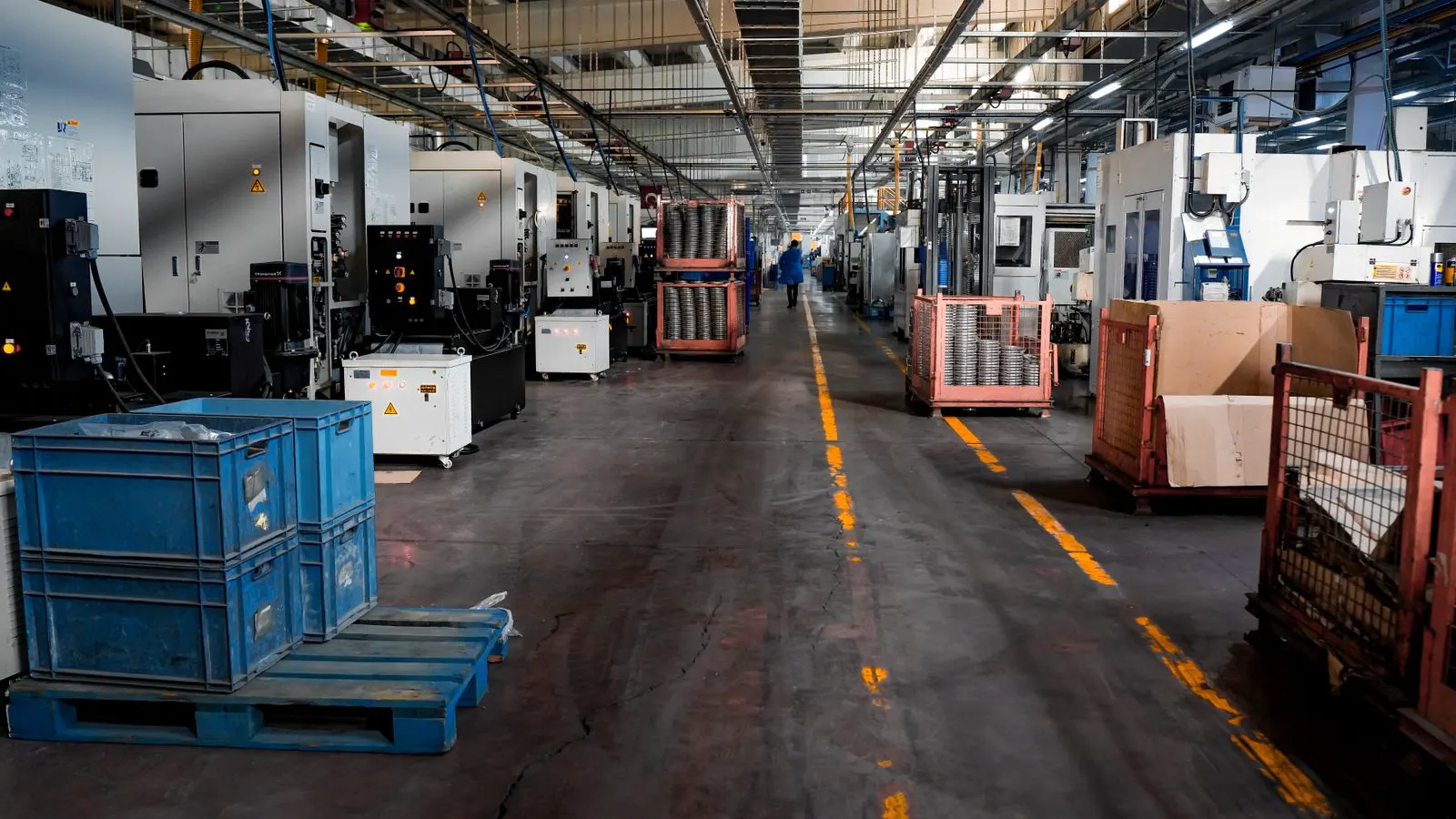
Comparison: Refrigerated vs Membrane Dryers
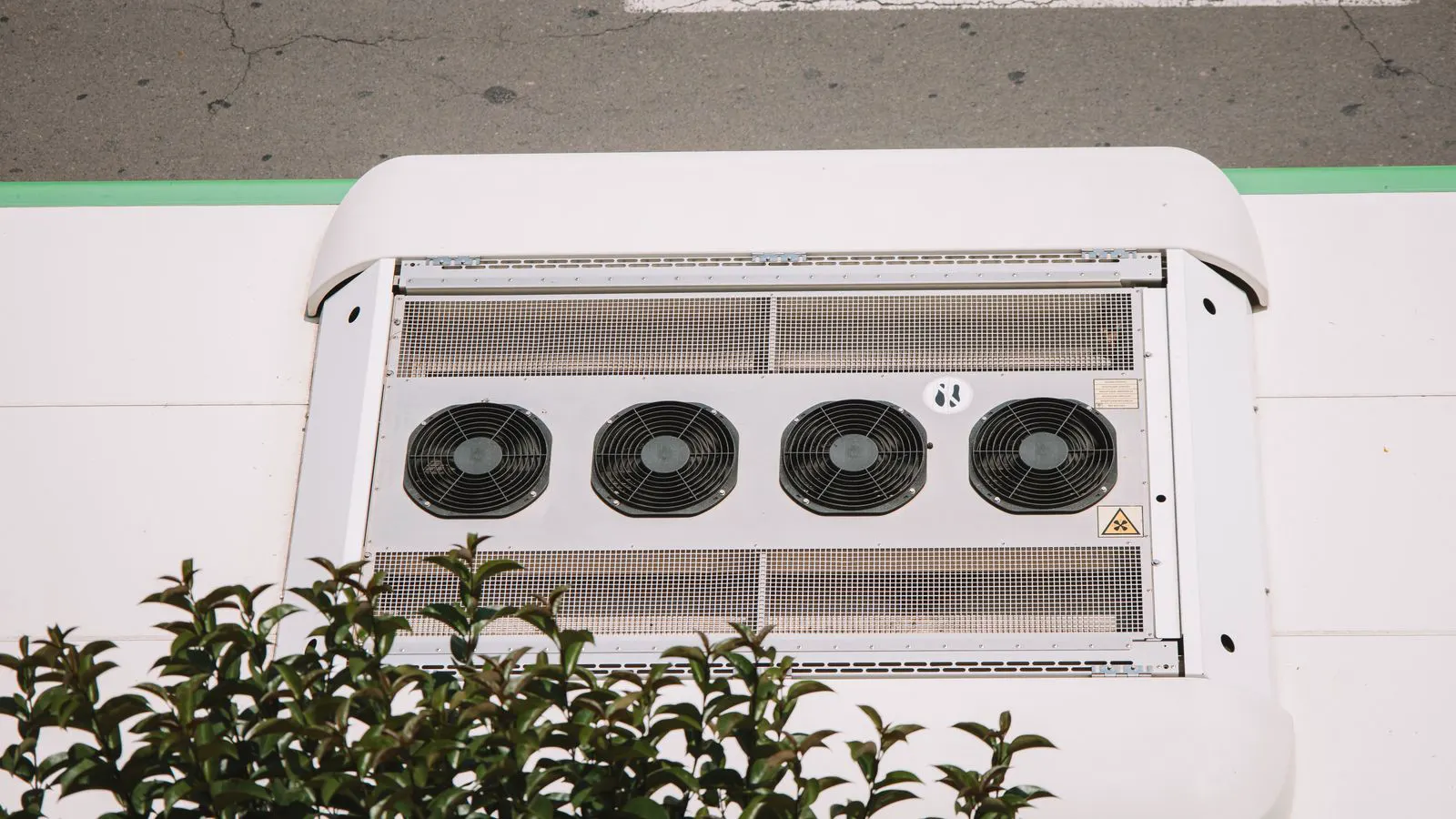
Refrigerated dryers suit high-volume, lower-purity applications, while membrane dryers deliver higher purity in compact footprints. Select based on required dew point, airflow, and site constraints.
- Refrigerated dryers handle larger air volumes with lower running costs but stop around 3 to 5 degrees Celsius.
- Membrane dryers reach lower dew points and save floor space, though they consume more energy per unit of dry air.
- The right choice depends on the specific process requirement, not the maximum possible performance.
Choosing the Right Air Dryer for Your Plant
The dryer sits at the end of the air treatment chain, but it determines the condition of the air that reaches your tools, machines, and processes. Selecting the wrong type of dryer causes corrosion in pneumatic cylinders, clogs precision nozzles, and leads to expensive downtime. It also wastes capital when the unit sits under-use or requires oversized downstream treatment.
Refrigerated dryers and membrane dryers solve the same problem using fundamentally different physical principles. One relies on cooling air below its dew point. The other forces air through a material that repels water vapor. Understanding these mechanical differences explains why one technology suits a heavy industrial plant while the other suits a cleanroom or a retrofit in a tight corner of an existing building.
How the Two Technologies Differ
A refrigerated dryer operates on a vapor-compression cycle. Compressed air enters a large heat exchanger. The air passes through one side of a coil bundle. On the other side, a refrigerant flows. The refrigerant is kept at a temperature below the desired dew point of the incoming air. As the air cools, water vapor condenses into liquid water. This liquid collects in a bottom trap and drains out.
The refrigerant cycle is a closed loop. The compressor raises the pressure of the refrigerant gas. The condenser rejects heat to the ambient air or a cooling coil. The expansion valve drops the pressure and temperature. The evaporator absorbs heat from the compressed air stream. This cycle runs continuously as long as the dryer is powered.
A membrane dryer operates without a refrigeration cycle. The air enters a housing packed with a dense polymer membrane. This membrane is engineered to allow water vapor to pass through while blocking oxygen, nitrogen, and other non-porous gases. The driving force is a pressure differential. The higher pressure of the compressed air pushes water molecules through the membrane to the exhaust side, where they are vented or routed to a drain.
The core difference is the mechanism of separation. Condensation requires a temperature drop. Membrane separation requires a material property and a pressure differential. These differences drive the performance, cost, and operational profiles of each unit.
Performance and Purity Limits
Refrigerated dryers typically achieve dew points between 3 and 10 degrees Celsius. This range satisfies most general industrial applications. Painting, welding, and standard pneumatic tools operate comfortably within this band. If a process requires a dew point below 3 degrees, a refrigerated unit cannot deliver, regardless of size or brand. The physics of condensation limits the maximum purity.
Membrane dryers consistently achieve dew points in the negative range. Many units operate between minus 20 and minus 40 degrees Celsius. This level of purity is required for electronics manufacturing, medical gas systems, and food processing. The membrane removes moisture that would remain as vapor in a refrigerated system. It can dry air to levels that are impossible for a refrigerated unit to reach.
| Option | Best For | Limitations |
|---|---|---|
| Refrigerated Dryer | High-volume air with general industrial purity needs | Limited to a minimum dew point of 3 to 5 degrees Celsius |
| Membrane Dryer | High-purity air in tight spaces or critical processes | Lower capacity per unit and higher energy consumption |
The table above summarizes the primary trade-offs. Refrigerated dryers win on capacity and running cost. Membrane dryers win on purity and footprint.
Capacity and Energy Consumption
Airflow matters. Refrigerated dryers handle large volumes efficiently. A standard refrigerated unit might process several thousand cubic meters per hour. The large heat exchanger surface area allows rapid moisture removal from high-flow streams. This makes them suitable for central air treatment systems that serve an entire building or plant.
Membrane dryers operate at lower capacities. The membrane surface area limits the rate at which air can pass through. For the same purity level, a membrane dryer might require multiple units in parallel to match the output of a single large refrigerated unit. This parallel configuration increases complexity and cost.
Energy use differs significantly. Refrigerated dryers consume power for the compressor and refrigerant circulation. The electrical load is proportional to the cooling required. Membrane dryers require less power for the air movement itself but often use a vacuum pump or drain system that consumes energy. In many cases, the membrane unit draws more electricity per cubic meter of dry air produced.
Space and Installation Considerations
Floor space is a hard constraint in many facilities. Refrigerated dryers are large. They contain compressors, condenser coils, and large heat exchangers. Installation often requires a dedicated room or a significant floor area. Ventilation for heat rejection is mandatory. The unit must reject heat into the surrounding space. This can raise the ambient temperature of the room by several degrees.
Membrane dryers are compact. The polymer membrane and associated components fit into a smaller cabinet. This makes them suitable for retrofit situations where space is limited. They also generate less heat, reducing the cooling load on the surrounding room. A membrane dryer can often be mounted on a wall or in a small alcove.
Installation complexity varies. Refrigerated dryers require careful piping for refrigerant lines and drainage for condensed water. The refrigerant lines must be sized correctly. The drain line must slope properly to prevent water hammer or flooding. Membrane dryers need proper inlet filtration and a reliable drain. Both require maintenance access, but the physical footprint of a membrane unit is often a fraction of a comparable refrigerated unit.
Maintenance Requirements
Both dryer types require regular maintenance, but the focus differs. Refrigerated dryers demand attention to the refrigeration system. The compressor, condenser, and heat exchanger need routine checks. Moisture traps must be emptied or replaced regularly. Oil leaks, if present, require prompt attention. The refrigerant charge must be verified periodically.
Membrane dryers have fewer moving parts. The membrane itself is a passive component but can degrade over time or become contaminated. Inlet filtration is critical. Particulates or oil droplets can damage the membrane. The drain system must function correctly to prevent moisture buildup. The membrane can also be affected by high temperatures or chemical exposure.
| Component | Refrigerated Dryer | Membrane Dryer |
|---|---|---|
| Primary Wear Item | Refrigerant compressor | Inlet filter elements |
| Drain System | Large capacity, frequent emptying | Small capacity, continuous or periodic |
| Heat Rejection | Requires ventilation or chiller | Minimal |
A practical tip is to inspect the inlet filter before the dryer. Both technologies suffer from poor upstream filtration. Oil contamination is particularly damaging to membrane elements. A clogged filter reduces airflow and strains the unit. For refrigerated dryers, oil in the air stream can coat the heat exchanger fins and reduce efficiency. For membrane dryers, oil can block the membrane pores and cause a permanent loss of capacity.
When to Choose Each Technology
Pick a refrigerated dryer when the application demands high volume and standard purity. Think of general manufacturing plants, construction equipment, or automotive assembly. The cost per unit of dry air is lower. The technology is mature and widely supported. Spare parts are easy to find. Service technicians are familiar with the systems.
Choose a membrane dryer when purity is the priority. Electronics assembly, pharmaceutical manufacturing, and laboratory environments require dry air to prevent corrosion or contamination. The compact size also favors membrane dryers in retrofits or where floor space is scarce. If you need air for a specific machine in a tight space, a membrane dryer is often the only viable option.
Some facilities use both. A refrigerated dryer handles the bulk of the air stream. A membrane dryer polishes the air for specific critical processes. This hybrid approach optimizes cost and performance. The air treatment system serves different zones with tailored drying. This setup allows the plant to use the most cost-effective dryer for the majority of the air and reserve the high-purity dryer for the sensitive processes.
Final Selection Criteria
Do not select a dryer based on the maximum specification. Match the unit to the actual process requirement. A dew point of minus 30 degrees is overkill for a pneumatic paint booth. A dew point of 5 degrees is inadequate for a semiconductor fab. Over-specifying the purity requirement leads to higher capital costs and higher energy bills.
Review the air demand profile. Peak flow, continuous flow, and duty cycle affect sizing. A dryer sized for peak demand but operating at 20 percent load wastes energy. A dryer sized for average flow may fail during peak periods. Calculate the actual flow at the point of use. Do not rely on the compressor nameplate rating. Measure the flow at the dryer inlet.
Consider the existing infrastructure. Power availability, ventilation, and drainage capacity shape the installation. A membrane dryer might require less ventilation but more precise inlet filtration. A refrigerated dryer needs more space but tolerates higher inlet moisture loads. Check the electrical panel for available capacity. Check the drainage for adequate slope. Check the room for ventilation.
The decision rests on three pillars. Purity requirement, volume requirement, and site constraints. Get these numbers right before comparing models. The rest is optimization.
Frequently asked questions
Can a refrigerated dryer be modified to achieve lower dew points?
No. The condensation physics limit the minimum achievable temperature. Adding a desiccant dryer downstream is the standard solution for lower purity.
How long does a membrane element last?
Membrane life depends on inlet filtration quality and air conditions. Poor upstream filtration shortens the life significantly. Regular filter maintenance extends service intervals.
Are membrane dryers silent?
They are quieter than large refrigerated units because they lack a large refrigerant compressor. However, the vacuum pump or drain system still generates noise.
Which option has a lower initial cost?
For comparable capacity and standard purity, refrigerated dryers are generally less expensive upfront. Membrane dryers cost more per unit of capacity due to the membrane technology.
What happens if the inlet air is oily?
Oil contaminates both dryer types. In membrane dryers, oil clogs the membrane pores, reducing efficiency. In refrigerated dryers, oil coats surfaces and causes corrosion. Use proper oil separation upstream.