Cost and Lead Time: Oil-Free Compressor Imports
Sourcing oil-free compressor imports requires detailed cost analysis and realistic import lead time estimates. Overseas units often cost less, but hidden fees and long shipping schedules add risk. A clear RFQ and fair quote comparison help control budget and delivery dates.
- Overseas pricing often looks lower, but duties, freight, and insurance raise the final landed cost.
- Import lead time varies widely based on port congestion, inspection requirements, and document accuracy.
- A structured RFQ prevents suppliers from quoting different specs, making cost analysis fair.
- Compare quotes by total landed cost, not just the unit price.
- Build schedule buffers for customs delays and spare parts availability.
What Drives the Price of Imported Units
The sticker price on a foreign oil-free compressor rarely matches the final expense. Buyers usually focus on the unit cost first, then discover that logistics, compliance, and installation shift the budget. The base price depends on the displacement volume, the type of compressor, and the build quality. A small rotary screw unit differs significantly from a larger reciprocating machine. The material of the housing, the seal set, and the motor efficiency all affect the initial quote.
Supplier margins matter too. Some manufacturers offer lower prices to gain market share. Others charge more for better after-sales support. The currency exchange rate at the time of order also moves the final number. If the local currency weakens against the supplier’s currency, the invoice increases even if the quoted price stays flat.
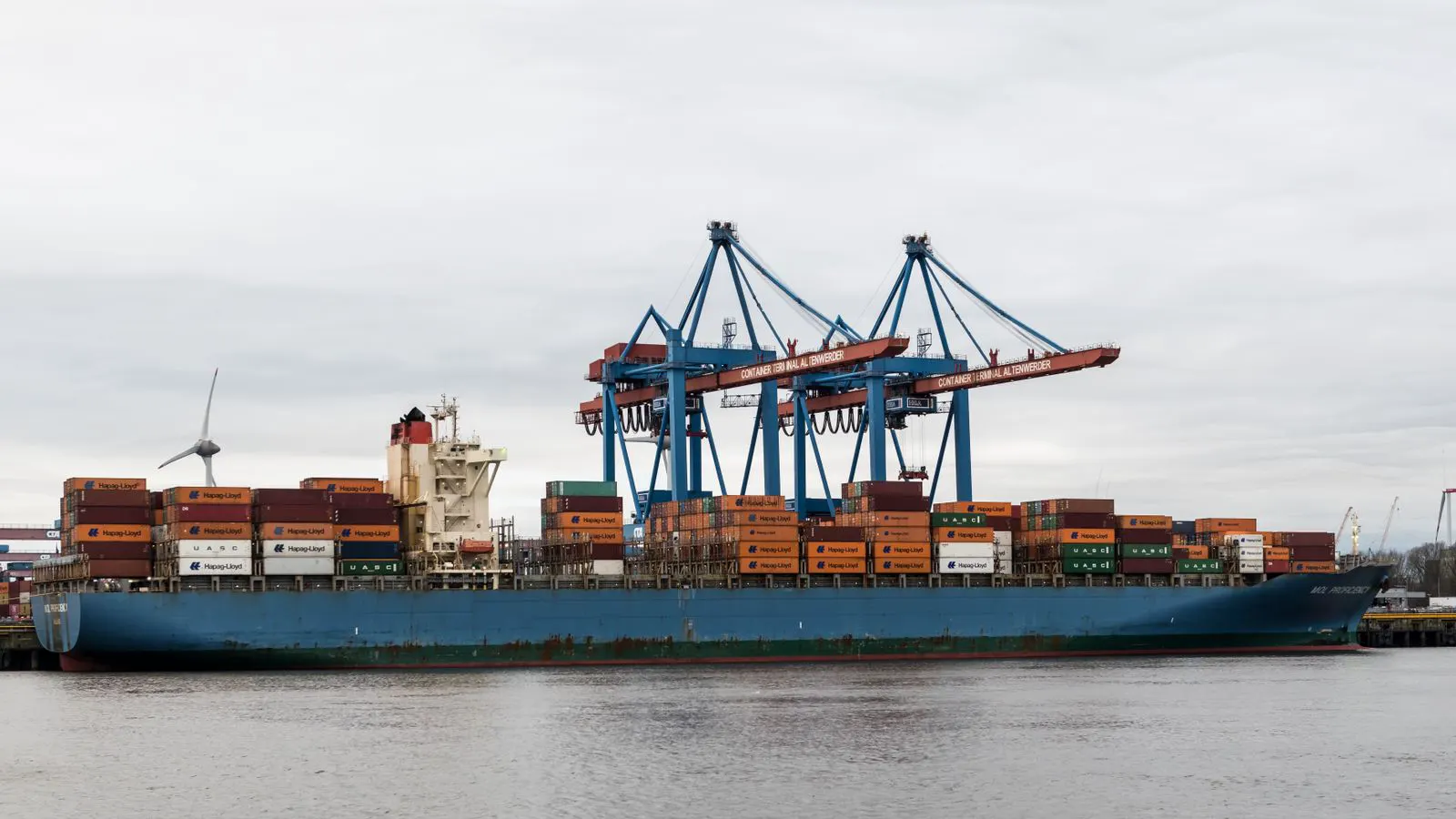
Freight and insurance add fixed costs. Sea freight moves in containers. The size of the compressor determines the container type. A single large unit might need a 20-foot container, while multiple smaller units share space. Ocean shipping costs fluctuate based on fuel prices and available capacity. Air freight is faster but expensive. It rarely makes sense for heavy equipment unless the schedule is tight.
How Import Lead Time Affects Planning
Import lead time is not just the shipping duration. It includes the time needed to find a supplier, negotiate terms, manufacture the unit, pack it, and clear customs. A typical order can take months. The manufacturing phase depends on the supplier’s backlog. If the factory is busy with other orders, the production date slips.
Customs processing adds another layer of delay. The paperwork must be correct. Missing documents, such as a valid certificate of origin or the correct HS code, can stop the shipment at the border. Inspection requirements vary by country. Some regions require type testing or energy compliance checks before the unit can be released.
The schedule risk grows when you combine long transit with local installation. If the compressor arrives but the building work is not ready, the project stalls. The unit sits in a warehouse. Storage costs rise. The air system remains offline. Engineers often underestimate the time needed for site preparation, piping, and electrical work. The compressor itself is only one part of the timeline.
How to Write a Clear RFQ
A vague RFQ leads to vague quotes. Suppliers may fill in the gaps with their own assumptions. You might receive a quote for a basic unit, while you need a high-purity model. To avoid this, write a clear RFQ that lists every requirement.
Start with the application. State the air quality class, the flow rate in free air delivered, and the operating pressure. Include the duty cycle. Specify the voltage and frequency. If the unit must meet specific emission or noise limits, list those standards. Ask for the expected service life of the seals and filters.
The RFQ should also define the delivery terms. Use Incoterms like FOB or CIF to clarify where risk transfers. Ask for the factory name and the expected production date. Request the packing list and the weight of the unit. If the compressor needs a skid or a specific mounting frame, describe that. A detailed request reduces the need for back-and-forth emails. It also makes it easier to compare offers from different suppliers.
How to Compare Quotes Fairly
Comparing quotes requires more than looking at the lowest number. You must compare the total landed cost. This includes the unit price, export packaging, inland freight, ocean or air freight, insurance, customs duties, and taxes. Some suppliers quote the price at their port. Others quote the price delivered to your plant. You need to normalize these numbers.
Ask every supplier for the same level of detail. Request the breakdown of the unit cost. Ask what is included in the service package. Some quotes include a one-year warranty. Others include only the compressor and not the motor. The difference matters. A cheaper unit with a short warranty can cost more if it fails early.
Check the technical match. Does the quote match your RFQ exactly? If the supplier changed the seal type or the motor efficiency, the price might be lower, but the performance might be different. Look at the lead time in the quote. If one supplier promises 12 weeks and another promises 20, the cheaper option might arrive too late for your project. Compare the delivery date, not just the price.
A Table of Major Cost Drivers
| Cost Driver | Description | Typical Impact |
|---|---|---|
| Unit Price | Base cost of the compressor from the manufacturer | Varies by size and technology |
| Freight | Shipping cost from origin port to destination | High for heavy machinery |
| Customs Duties | Tax applied based on the country of origin | Varies by trade agreement |
| Insurance | Coverage for loss or damage in transit | Usually a small percentage |
| Installation | Labor and materials for site setup | Depends on site complexity |
| Spare Parts | Initial stock of filters and seals | Adds to upfront cost |
Managing Financial and Schedule Risk
The risk of oil-free compressor imports is not just the cost. It is the uncertainty. When you buy locally, the delivery date is often fixed. When you buy overseas, the date depends on many factors outside your control. To manage this, build buffers into your project plan. Do not plan installation for the exact date the container is expected to arrive. Add a two to four week buffer for customs and site work.
You also need a financial buffer. Exchange rate swings can change the final invoice. If you pay in a foreign currency, the local cost may rise before you sign the contract. Some buyers use a fixed exchange rate clause in the contract to lock in the price. This reduces financial risk but may limit negotiation power.
Consider the cost of delay. If the air compressor is late, the production line stops. The cost of downtime can exceed the cost of the unit. In some cases, buying a local unit at a higher price is the better decision. The local unit arrives faster and has a known warranty process. The imported unit saves money but adds risk. The right choice depends on your specific timeline and budget.
Reducing Cost and Lead Time
There are ways to reduce both cost and lead time. Ordering in bulk can lower the unit price. It can also improve freight rates because you fill the container better. However, bulk orders tie up your cash flow. You pay for units you do not need yet.
You can also choose a supplier closer to your region. A supplier in a nearby country may have higher unit costs, but the freight and customs process are faster. The lead time drops. The total cost may be similar to a long-distance supplier.
Negotiate the production schedule. Ask the supplier for a milestone schedule. You want to know when the motor is ordered, when the compressor is built, and when it is tested. If a milestone slips, you can react early. You can find an alternative or adjust your installation plan. This transparency reduces surprise.
Final Considerations for Buyers
The decision to source oil-free compressor imports rests on a balance of price and risk. The financial savings can be real. The schedule risk can be high. You must look at the full picture. The cost analysis must include every dollar from the factory gate to the operating system. The import lead time must include every day from the signed contract to the first breath of air.
Use the data you collect. Build a model of your past projects. Track the actual costs and delays. This data helps you predict the next order. It also helps you negotiate better terms with suppliers. The goal is not to find the cheapest unit. The goal is to find the unit that fits your budget and your timeline without causing operational problems.
Frequently asked questions
How long does import lead time usually take?
Import lead time varies widely. It can range from several weeks to several months. The duration depends on manufacturing, shipping, and customs processing.
What is the biggest hidden cost in imports?
Freight and duties are often the biggest hidden costs. They can add a significant amount to the unit price. Insurance and local installation also affect the final number.
How do I compare quotes from different suppliers?
Compare the total landed cost, not just the unit price. Include freight, duties, and warranty terms. Check that the technical specs match your RFQ exactly.
Can I reduce the risk of a delayed shipment?
Yes. Build a schedule buffer into your project plan. Ask for milestone dates from the supplier. Choose a supplier closer to your region if speed is critical.
Is buying overseas always cheaper than buying local?
No. Overseas units may have a lower base price, but the total landed cost can be higher. Local units may cost more upfront but save on logistics and reduce schedule risk.